

FOR SALE
Low Income Housing Middlesex County NJ · Middlesex County
Low Income Housing in Middlesex County, NJ
low income housing middlesex county nj includes apartments, apartment buildings, rental properties, and houses that may accept income limits and/or rental vouchers.
Free first consultationEnglish & SpanishNo obligation
Finding affordable housing in Middlesex County
Some programs have an income limit that requires you to have a gross income that is below 30% of the median area income. Examples include subsidized housing, public housing, and rental housing voucher programs from a local housing authority or the New Jersey Department of Community Affairs.
Waitlists, accepted documents, and apartment requirements may change. It is best to begin by contacting the local housing authority in your town and find out what the require before you pay the application fee.
The 30% gross income rule is a screening tool use to determine whether a family or individual is eligible for affordable rental housing. Gross income is typically considered to be income prior to taxes and deductions. The size of the household is important because the limit depend on the number of people listed on the application.
Housing choice vouchers can help you pay a portion of your rent. However, your household will still have to meet the income requirements of the program. Not all landlords accept vouchers, and some apartments may have their own income, credit, rental history and size requirements.
HUD describes a household as "cost-burdened" if it spends more than 30% of its gross income on housing. The cost of housing includes not just rent but also other costs that may be required. If you have a voucher, the amount you pay in rent may also depend on whether your landlord accepts the housing programs payment standard.
You may also be able to find affordable housing that is not a voucher. Non-voucher housing is determined based on income and area. Your city's NJ Housing Resource Center and housing authority should have the must up-to-dates information about these programs. You can use the resource: Low Income Apartments and Low Cost Housing Near Me.
Steps to secure a rental unit

01Identify the right program
Contact the local housing authority in the community where you want to live. If you do not know which housing authority serves your community, the NJ Housing Resource Center can help you find it. Determine whether your local housing authority offers Housing Choice Vouchers, public housing, project-based vouchers, or other rental programs.
02Check the application and waiting list requirements
03Complete the authority application form
04Submit proof of income and identity
05Attend any required screening or orientation
06Search for participating units
07Inspect the home before moving in
08Finalize the lease and payment process
Understanding rental costs and security deposits
The common affordability guideline is that housing costs should not exceed 30% of gross household income. This is a screening guideline, not a guarantee that a particular apartment will be affordable or that every expense is covered.
Budget carefully for housing expenses. While you may qualify for some of your rent to be covered by the voucher, you still have to budget for other costs live utilities and insurance. You may want to ask the landlord for a written list of all of the costs before applying.
New Jersey law does not allow a landlord to collect more than a 1.5 months worth of rent for a security deposit for a residential property. The security deposit must be kept in a New Jersey bank account that pays interest. The landlord must inform tenant where the security deposit is kept and either pay the interest or credit it each years.
The landlord must return the security deposit and itemized deductions list within 30 days after the end of the tenancy. If the tenancy was terminated as a result of a fire, flood, condemnation of a building, or evacuation, the landlord must return the deposit within five days of the end of the tenancy. The landlord can be force to return double the amount that was retained by him, and costs, by a court order.
For more information, visit Homes for Rent in Middlesex County, NJ. Ask each landlord how much rent, how much deposit, how much utilities the change, and any other payment the require.
Talk to someone who knows New Jersey
Free first consultation
English and Spanish
Answers the same day
Ask on WhatsAppLocal housing rules and protections
New Jersey does not have one rent control law for the state as some local jurisdictions have rent control law while other jurisdictions do not. An annual list of which local jurisdictions have rent control law is publishes by the New Jersey Department of Community Affairs. Check local rules for the municipality in which the unit is located. Local rules do not apply countywide.
The state's Anti-Eviction Act restricts what a landlord can do to evict a tenant (called "good cause"). Eviction must be sanctioned by a court order. A landlord cannot just change the locks or shut off utilities to evict a tenant. If you are receiving an eviction notice or you want to contest an eviction, you should task to an attorney in New Jersey.
The New Jersey Law Against Discrimination (NJLAD) protects lawful sources of income, such as Section 8 housing vouchers. The NJLAD also protects tenant from discrimination based on creed, ancestry, sexual orientation, gender identity or expression and marital status. The Fair Chance in Housing Act limits the questions landlords can ask about a tenant’s criminal history and when they can run a criminal background check. If a housing provider is discriminating against you, contact the NJ Division on Civil Rights.
Local lead-based paint inspections are part of the rental process. Municipal government in New Jersey inspect rental properties when tenant move in or every three years. Lead safe certificate are valid for two years, so ask your landlord or the local government to provide you with one before moving in.
Preparing your application and documentation
Prepare the documents the housing authority or landlord will need from you before your appointment. Documents that might be requested include:
- Government-issued identification for each adult and current resident - Dates of birth, as will as proof of family relationships - Social security number, if required by application - Recent pay stubs, benefit statement, tax return, or other proof of income - Proof that all household member have legal source of income - Lease, utility bill, or other proof of current address - Written agreement to pay or repay if the program requires - Any immigration or residency documentation required
Do not send originals through the mail using an unsecured method. Call the housing authority and ask how they receive documents and how they review the project.
If you need financing for a home but do not qualify for a normal mortgage, some lenders offer ITIN loans. These loans are not part of a program, and you may be required to submit additional documentation. You may be required to pay a down payment or interest, and there are additional requirements that you will need to meet before the loan is approved. Contact a licensed loan officer for more information.
If you are self-employed, you may be able to use bank statements or Form 1099s instead of income verification with some lenders. Check the documentation requirements and fee of the loan, and task to a licensed loan officer instead of assuming a standard loan is available.

Get expert help with your housing search
njhomego.com can help with search organization and finding licensed professionals. New Jersey real estate licensees can answer questions regarding the rental market and available housing. New Jersey attorney can help with issues such as reviewing lease terms, eviction, and other legal issues under New Jersey law. New Jersey loan officer can help with questions about financing options including ITIN loans.
For a larger selection of apartments in Middlesex County, NJ, please visit Apartments in Middlesex County, NJ. If you are looking for an Estate Agent, feel free to contact us to connect with a licensed professional who can help you find a house in Middlesex County, NJ according to your needs and budget.
Get a free consultation in English or Spanish via WhatsApp.

Homes for sale in New Jersey
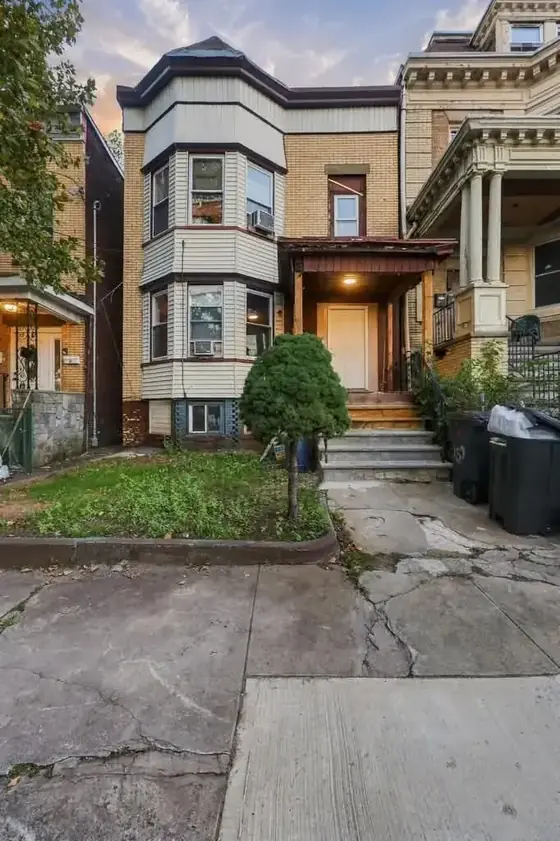
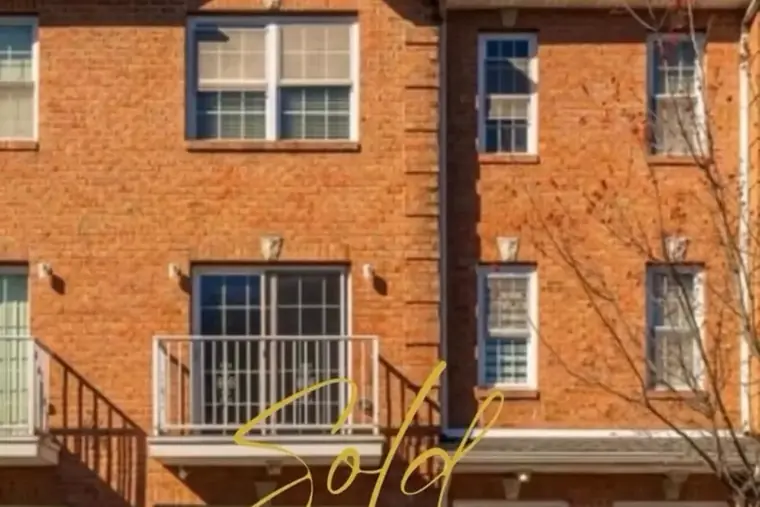
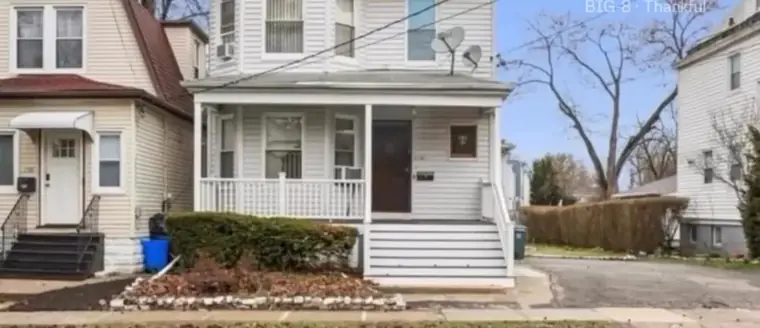
Active and pending homes. Ask about any of them in English or Spanish.

UPDATING
New homes for sale coming soon
We add new properties every week. Leave your WhatsApp or email and be the first to hear about new homes for sale.
Frequently asked questions
How does HUD define low to moderate income?
HUD describes a household as "cost-burdened" when it spends more than 30% of its gross income on housing costs. This definition can include rent and certain housing expenses, rather than just the monthly rent amount.
What is the cheapest part of NJ to live in?
There is no single cheapest area, as housing costs vary significantly by municipality and property type. You should check the local housing authority or the NJ Housing Resource Center to find specific programs and costs for different regions.
What are the qualifications for low-income housing in New Jersey?
Qualifications depend on the specific program, but generally require your gross household income to be no more than 30% of the area median income. You must contact the local housing authority serving your town to confirm their specific income limits, credit requirements, and documentation needs.
Is there a difference between low-income housing and affordable housing?
Low-income housing often refers to subsidized units or vouchers with specific income caps, while affordable housing is a broader term that can include non-voucher-based properties with different regional income limits. You can contact the NJ Housing Resource Center to understand the specific programs available in your area.
More about Middlesex County

Tell us what you are looking for
We reply the same day by call or WhatsApp. Your first consultation is free, with no obligation. Need a price for your home? Ask for a free home value report.