


FOR SALE
Home Inspector for Buying a House · New Jersey
Home Inspector for Buying a House in New Jersey
A closer New Jersey look at home inspector for buying a house
A home inspector for buying a house inspects the structure, roof, electrical, plumbing, HVAC and other visible components of a property in New Jersey.
Free first consultationEnglish & SpanishNo obligation
Why you need a home inspection in New Jersey
It can be used to identify major and minor problems, determine whether repairs can be made, or decide whether to walk away from the property.
Start with a free consultation via WhatsApp or phone. We'll help you find a licensed New Jersey home inspector. We'll also connect you with a real estate licensee, lender, attorney, or inspector if needed for a particular test.
Buying a house is one of the biggest purchases you will make. A home inspection will help you to see what you are getting better than just looking around.
The inspector should looks for the following signs of problems:
The report is not a guarantee that your house is problems free. It is an analysis of conditions that can impact the safety and maintenance and repairs of the property in the future. Some issues will be minor, while others will require more substantial repairs or negotiations.
If you are buying a condominium or a townhouse, you will want to request the documents that are required by your association, such as budgets, meeting minutes, reserve information, and rules. For more information, read our article on How to Buy a house in New Jersey.
The foundation and structure
Roof and exterior
Electrical and plumbing
Heating and cooling
Windows, doors, insulation and ventilation
Water damage and mold, visible problems

How the inspection process works in New Jersey
A typical purchase follows this sequence:
- Get pre-approved for a mortgage. Contact a licensed mortgage lender. Obtain the documents needed to complete the mortgage application. Understand the terms of the mortgage, including the rate and payment structure. Find out what you can afford. 2. Sign a buyer representation agreement and begin shopping. The amount of compensation the buyer receive may be negotiable, may be paid by the buyer as a seller concession, or may be split between the buyer and seller. 3. Make an offer. One you sign and the offer is receive, the offer becomes a contract. 4. Have your attorney from New Jersey review the contract. In New Jersey, the contract prepared by an agent must be reviewed by an attorney within three business days. Must buyers, especially in New Jersey, have an attorney present at closing. 5. Schedule a home inspection. A home inspection is required in the contract and must be completed in the inspection period. 6. Order the appraisal. If you are purchasing the house with a mortgage, the lender will order the appraisal so that the property value can be determined for the loan. 7. Get municipal certificates. Depending on the municipality, certificates of occupancy/continued occupancy, smoke detector, carbon monoxide detector, and/or fire extinguisher certificates may be required. 8. Complete the mortgage commitment and have the final walkthrough. The final walkthrough gives you the chance to make sure that the house has not materially changed since you have walked through it.
When to schedule your inspection
Home inspections generally happen after you have signed a contract and your lawyer has make the initial review. Ensure that the inspector is available early enough in the process that he or she has time to gives you the report, answer any questions, negotiate, and do any needed tests before the deadline in your contract.
Ask for the inspection period in writing. You might have been promise additional time for the inspection, but this may not be the case. If the inspection report is needed, have it done separately so that the report is read by the decision date.
Required licenses and specialized inspections
New Jersey home inspectors need to be licensed by the Home Inspection Advisory Committee of the New Jersey Division of Consumer Affairs. You should confirm that the inspector is licensed before you hire him. You should also ask the home inspector what is included in his inspection.
A standard home inspection may not necessarily include all the separate tests. Some tests may need a separate inspection or a specialists.
- Radon: A radon test will check for the amount of a naturally occurring radioactive gas in your home. - Lead: If these are older paint or materials on your home, a lead test may be required. - Termites: A termite inspection will check for wood-eating insects and other damage that might indicate the presence of termites. - Oil tanks: If you have an oil tank buried underground or above ground, you may need to know if a tank inspection and testing is required.
Other evaluations may also be necessary, depending on the property. You should ask your inspector about sewer lines, wells, pools, chimneys, mold, radon mitigation systems, and other features. Your lender may require additional inspections. Check with your lender to see what is required.
Costs and municipal requirements for buyers
Home inspection fees vary based on the size of the house, the age of the house, the location, and the amount of work. Ask the inspector to write you up a written estimate and find out exactly what is covered by the fee. Additional tests such as radon, termite, and oil tank may add additional fees.
Your total home-buying budget need to cover more than just a property inspection. Depending on the house and the transaction, you may also need to budget for appraisal, an attorney's review, title work, certificates from the municipality, insurance, loan fees, and for closing costs or for repairs.
Contact the construction or building office of the town before closing to determine whether:
Requirements and fees are specific to each town. If you are buying in a specific town, please check with the town office for the specific requirements, rather than assuming that another town's requirements apply.
New home warranty considerations
For new construction, builders are required by the New Home Warranty and Builders Registration Act to register with the New Jersey Department of Community Affairs. New homes may be offered a warranty program covering repairs for specified defects for specified periods of time.
Read the warranty documents. These documents may contain different terms regarding different parts of the construction. They may also require notice of certain claims or exclude certain claims. You may also be required to pay certain fees or penalties. Hire a New Jersey attorney to review the warranty, the contract, and any addenda attached to the contract prior to signing.

Thinking about home inspector for buying a house?
The NJHomeGo team answers in English or Spanish. Free first consultation, no obligation.
Ask on WhatsAppWhether a certificate of occupancy or continued occupancy is required
Whether a certificate is required for a smoke detector or carbon monoxide detector
Whether a fire extinguisher is required
When the inspection must occur and whether a fee is required for a certificate
Whether any other municipal approval is required
Get connected with licensed New Jersey professionals
The free consultation is the best way to start. You can just fill in questions such as the location of the property, an estimate price, type of property, financing status, and any additional features the property may have, such as an oil tank, radon system, pool, or old construction.
We can help you find a licensed home inspector to inspect the property, or a licensed professional for other parts of the transaction. A licensed real estate professional can assist you with the offer and buyer representation agreement. A licensed loan officer can help you with financing requirements. A New Jersey attorney can review the contract and responsibilities at closing.
Before signing, please make sure all professionals have a valid license and confirm the fee in writing. NJHOMEGO.COM is not a broker, licensed agent, lender, or law firm and this consultation does not replace the advice of the licensed professional who is processing your transaction.
Get a free consultation via WhatsApp or phone call. Consultation is available in English and Spanish.

Homes for sale in New Jersey
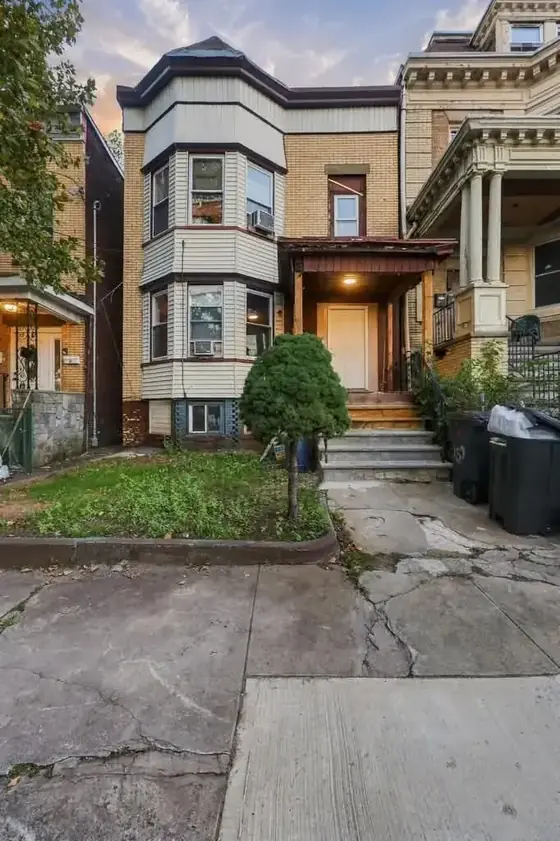
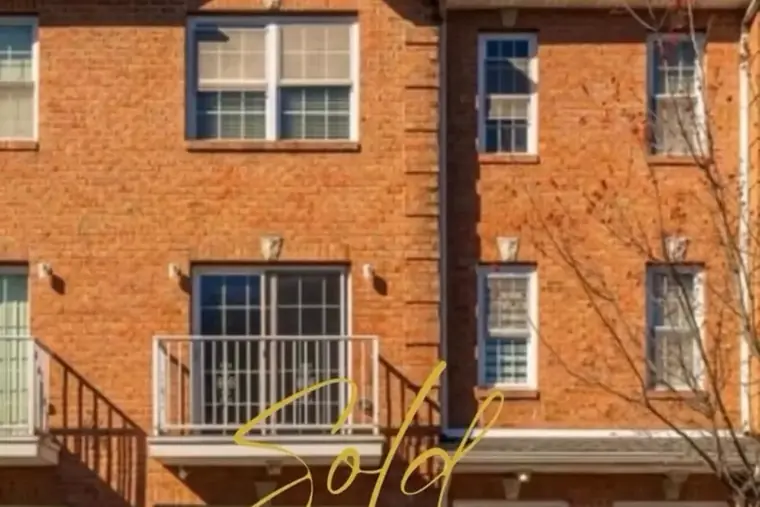
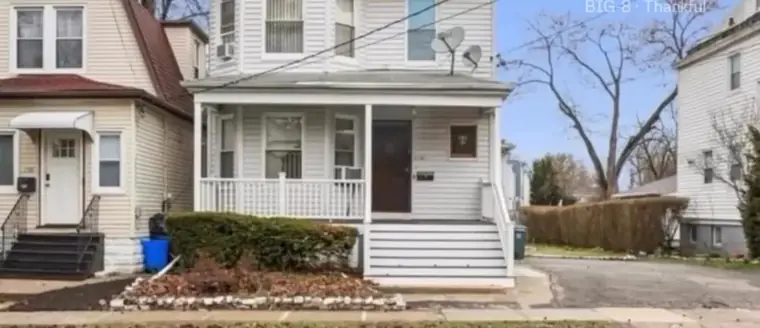
Active and pending homes. Ask about any of them in English or Spanish.

UPDATING
New homes for sale coming soon
We add new properties every week. Leave your WhatsApp or email and be the first to hear about new homes for sale.
Home inspector for buying a house: a question and answer guide
What is a deal breaker in a home inspection?
A deal breaker is any significant issue discovered during the inspection that you are unwilling to accept or repair, such as structural instability or severe water damage. While every buyer's tolerance is different, these findings often lead to negotiations for repairs, price reductions, or walking away from the sale. You should discuss the inspection report with a New Jersey attorney to understand your legal options before making a final decision.
Why is everyone waiving home inspections?
Some buyers waive inspections to make their offer more competitive in a fast-moving market, but this carries the risk of inheriting unknown structural or system defects. Waiving an inspection means you agree to purchase the home in its current condition without a professional evaluation of the roof, plumbing, or electrical systems. It is important to consider the long-term costs of potential repairs versus the benefit of a faster closing.
How long does it take to become a real estate inspector?
The time required to become a home inspector depends on the training program chosen and the individual's prior experience in construction or trades. In New Jersey, inspectors must be licensed by the Home Inspection Advisory Committee of the New Jersey Division of Consumer Affairs. You can check the official state website to verify the licensing requirements and the current status of any inspector.
What is the purpose of a home inspection in real estate?
The purpose of a home inspection is to provide a professional evaluation of a property's visible systems, such as the foundation, roof, and HVAC, to help you understand its current condition. It allows you to identify major and minor problems before you finalize the purchase so you can decide whether to proceed, negotiate, or walk away. A standard inspection does not include specialized tests like radon, lead, or termite inspections, which must be arranged separately.
Thinking of home inspector for buying a house
Get in touch about home inspector for buying a house
We reply the same day by call or WhatsApp. Your first consultation is free, with no obligation. Need a price for your home? Ask for a free home value report.