

FOR SALE
Home/Commercial Real Estate/Commercial Property for Sale NJ/Monmouth County Commercial Real Estate for Sale
Monmouth County Commercial Real Estate for Sale · Monmouth County
Monmouth County Commercial Real Estate for Sale
The basics of monmouth county commercial real estate for sale, with NJ context
Monmouth County commercial real estate for sale includes commercial retail, office, mixed-use, warehouse, industrial and land.
Free first consultationEnglish & SpanishNo obligation
Homes for sale in New Jersey
Active and pending homes. Ask about any of them in English or Spanish.
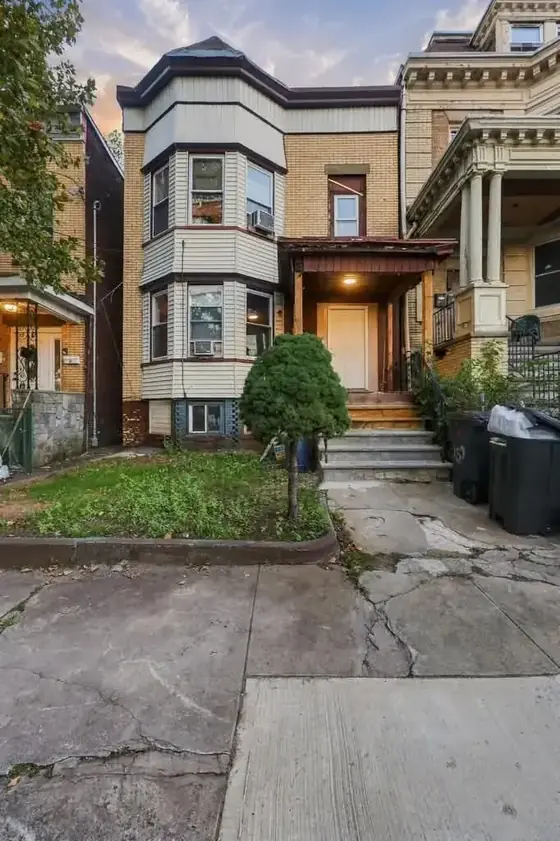

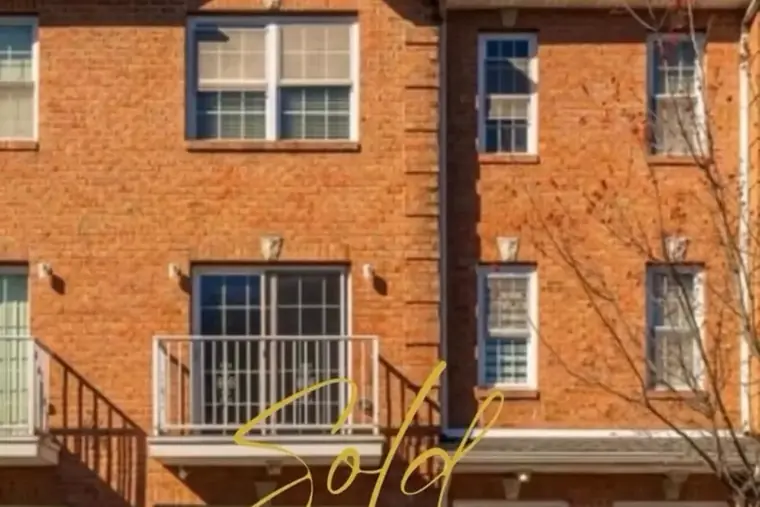
UPDATING
New homes for sale coming soon
We add new properties every week. Leave your WhatsApp or email and be the first to hear about new homes for sale.
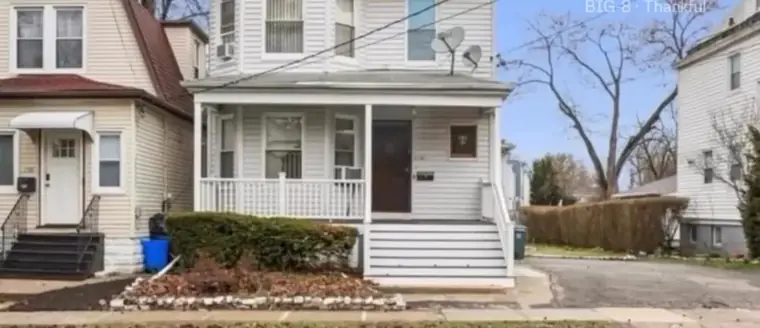
Commercial property types and market values in Monmouth
According to the US Census Bureau, the average Monmouth County home is valued at $793,713 and rents for $2,867. This is not an appraisal of value.
You can check out our Commercial Property for Sale NJ listings or use our Commercial for Sale Near Me tool to find listings near you.
What kinds of commercial property for sale are there in Monmouth County?
The local housing market provides useful context for the broader area. Monmouth County’s typical home value is $793,713, up 6.5% over the prior year. The typical rent is $2,867 per month, up 4.0%. Those are countywide figures for the full area, not an appraisal or a prediction of what a particular commercial property will sell for.
A commercial property's value is affected by several factors, including the property's location, the building's condition, lot size, allowable uses, tenant history, lease terms, zoning law, and market demand. The value of an income producing property requires an assessment of rents, vacancy rate, operating expenses, and lease expiration dates.
Monmouth County has different communities with different levels of commercial market and needs. Compare a coastal town to an inland town. Compare a suburban office location to a highway access location. Compare a developed retail location to a location available for development. Review zoning, road access, utilities, signage, parking, flood maps and permitted uses.

Curious about monmouth county commercial real estate for sale?
The NJHomeGo team answers in English or Spanish. Free first consultation, no obligation.
Ask on WhatsAppRetail buildings, retail properties
Office buildings, office properties
Mixed-use properties, commercial residential properties
Warehouses, industrial properties
Restaurants, hospitality properties, vacant commercial properties
Land, commercial project land

Property taxes and monthly costs for Monmouth owners
Property taxes are determine by each municipality, but the average rate is 2.2% per year, so use this if you just want a rough estimate.
Assessment × 2.2 / 100 = estimated annual property tax
For example, if the property is worth $500,000 assessed:
$500,000 × 2.2 / 100 = $11,000 per year $11,000 ÷ 12 = about $917 per month
That is an estimate of educational costs, not a loan. Commercial properties can incur property taxes on improvements and an asset's taxable value may not be the sale as its purchase price.
Other monthly costs can include:
- Mortgage principal and interest payment
- Property insurance
- Flood insurance if required
- Utilities and maintenance
- Management or leasing fees
- Security, landscaping, and snow removal
- Repairs and capital improvements
- Property association or shared-area fees
Check the tax record and assessment with the municipality's tax office. Tax appeals for Monmouth County are handled by the Monmouth County Board of Taxation.
Location and regional connectivity in Monmouth County
Monmouth County includes both coastal communities and inland towns and suburbs situated near major road. Some properties are good for customers service and commuting, while others are great for warehousing, distribution and land use.
NJ Transit is a public transportation system in New Jersey that runs in the areas of Monmouth County to other communities in New Jersey. The best station will vary depending on the location of the property and the destination. You should check the property's ZIP code and current NJ Transit map before choosing a station.
Do not assume that every property has a short walk to a train station or a highway. Traffic can be different on different road and at different time of day. For example:
If a commute or regional connection is important, you can just enter the exact address into a map tool to see the route from the address instead of from the municipality.

Distance to nearest NJ Transit station.
Major road access.
Distance to local business centers.
Parking and loading access.
Flood zone.
Municipality zoning and permitted use.
Steps to purchase commercial property in New Jersey
Required documentation for NJ real estate transactions
During the first substantive discussion regarding the property, the real estate licensed holder in New Jersey is required to provide the Consumer Information Statement regarding New Jersey Real Estate Relationships.
Buyers should be prepared for the 2024 NAR written representation agreement if they plan to visit properties with a real estate agent. Buyers should keep copies of the disclosure, buyer agreement, offer, communication with the lawyer, inspection reports, financing approvals, and closing.
njhomego.com is not a real estate broker, licensed real estate agent, lender or law firm. If you request our assistance, we will connect you to licensed professionals.

01Set a budget and get pre-approved
Set a budget for the down payment, purchase price, lender fees, inspection, insurance, repairs, vacancies, and turnover. A licensed loan officer can help you understand commercial financing options and what is needed for documentation.
02Sign a written buyer representation agreement
03Review and submit an offer
04Begin the three-day attorney review
05Complete due diligence
06Secure the mortgage and closing requirements
07Do a final walkthrough and close
Investment considerations for multi-family and commercial sites
Multi-family and commercial properties require different approaches that residential properties. If you are purchasing a two or four-unit property, it is possible for you to live in one unit and rent out the others. This rental income may be use to covers your mortgage. Ensure you confirm your eligibility, as will as the requirements of the lender.
A building with three or more dwelling units must be registered with the New Jersey Department of Community Affairs Bureau of Housing Inspection as a multiple dwelling. The buyer must check the state and local regulations prior to buying a building or mortgaging it.
Useful investment formulas include:
- NOI: Net Operating Income is rental income minus operating expenses
- Capitalization Rate: Capitalization rate is Net Operating Income divided by purchase price
- Cash-on-cash Return: Annual cash flow divided by cash invested
For example, a $500,000 property that yields an NOI of $30,000 has a 6% cap rate. This is a quick calculation that does not necessarily mean it is an appraisal or projection of returns. Include vacancies, management fees, maintenance, taxes, insurance, debt service, and major capital work when analyzing the investment.
Talk with a lawyer, a licensed loan officer, a tax attorney, a property inspector, a property manager, or any other professional as you need them. Schedule a free initial consultation in English or Spanish through WhatsApp or phone.

Questions about monmouth county commercial real estate for sale
How do I find out the exact property taxes for a commercial building in Monmouth?
You should contact the specific municipality's tax office to get the current tax record and assessment for any property. While an educational estimate can be made using a 2.2% annual rate, the taxable assessment does not always match the purchase price. Tax appeals in Monmouth County go to the Monmouth County Board of Taxation.
What kind of insurance do I need for a commercial property?
You will need property insurance, and you may also need flood insurance if the property is in a high-risk zone. Flood insurance is not covered by standard policies and must be contracted separately through the NFIP. You should consult with an insurance professional to determine the specific coverage needed for the building's use.
Can I live in one part of a multi-unit building while renting out the others?
Properties with two to four units may qualify for owner occupancy, which allows you to live in one unit and use the rent from others to help support the mortgage. However, buildings with three or more units generally require registration as a multiple dwelling with the New Jersey Department of Community Affairs, Bureau of Housing Inspection. You must confirm eligibility and lender requirements before proceeding.
What happens if I inherit a commercial property in Monmouth County?
To sell a property you inherited, the executor needs Letters Testamentary from the county Surrogate (or Letters of Administration if there is no will). These documents authorize the executor to sell the real estate. You should also check the specific inheritance tax brackets, as they vary based on your relationship to the deceased.
A closer look at monmouth county commercial real estate for sale
Let us know what you need for monmouth county commercial real estate for sale
We reply the same day by call or WhatsApp. Your first consultation is free, with no obligation. Need a price for your home? Ask for a free home value report.