
FOR SALE
Commercial Property Lending · New Jersey
Commercial Property Lending in New Jersey
Discover more about commercial property lending in NJ
Commercial property lending in New Jersey refers to a mortgage taken out for a business property.
Free first consultationEnglish & SpanishNo obligation

 Your local agentHey! Have local questions about commercial property lending? I'm ready to listen and help.
Freehome value
Homes for sale in New Jersey
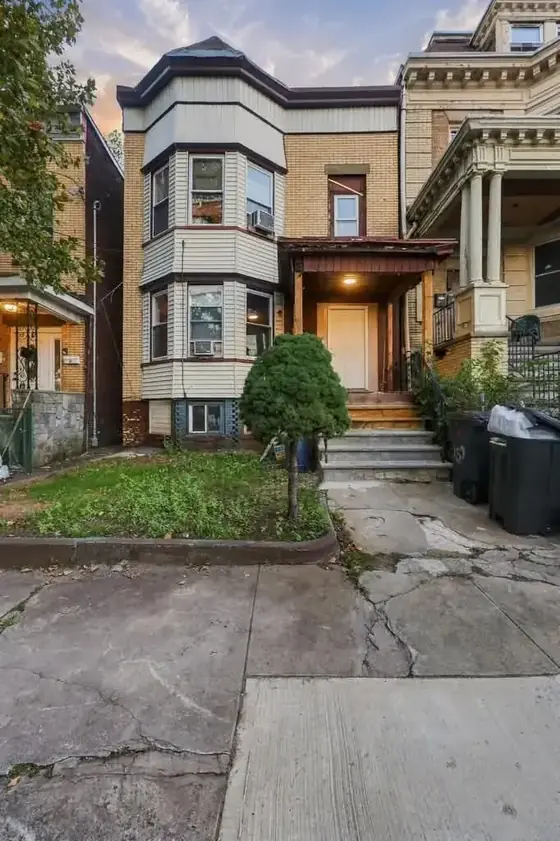
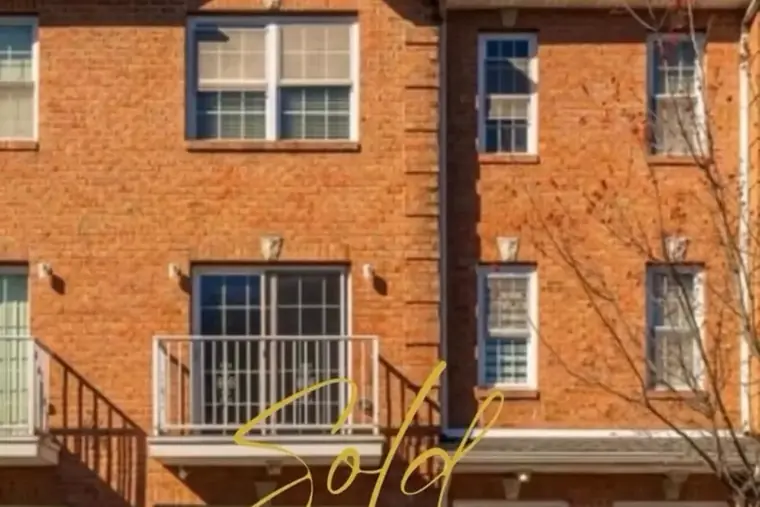
Active and pending homes. Ask about any of them in English or Spanish.

UPDATING
New homes for sale coming soon
We add new properties every week. Leave your WhatsApp or email and be the first to hear about new homes for sale.
Commercial property types and market values
It is typically used to purchase an existing property or land, for the construction or renovation of a building, or for the refinancing of debt on a property. The lender is primarily concerned about the potential income of the property, its condition, and the financial state of the business.
Start with our Commercial Real Estate listings like Commercial Property for Sale in New Jersey or Commercial Land for Sale in New Jersey and get a free consultation through WhatsApp or phone call in English or Spanish.
Commercial property loans can be used to purchase many types of real estate:
A property that a borrowers business is using is different than an investment property. Business cash flow can be used to help underwrite a loan for owner-occupied property. Investment properties are underwritten with a greater emphasis on lease income, occupancy, credit, and value.
The available information about the housing market is an approximation of the commercial building market in New Jersey. The ranged for the average price for a home is from $551,072 in Ocean County to $793,713 in Monmouth County (referenced data). The ranged for the average rent price is from $2,230 in Passaic County to $3,056 in Hudson County.
Those residential numbers are good for comparing neighborhoods, but not for assessing commercial property value. Commercial property value is based on income, zoning, condition, tenant demand, and development potential. Area-wide numbers, not an appraisal.
Office buildings, or buildings leased to other
Retail buildings
Industrial buildings, warehouses, or distribution centers
Multifamily buildings
Commercial and residential mixed use buildings
Land
Buildings owner and occupied by the borrowers business

Understanding the costs of commercial ownership
Property taxes are based on a municipality's assessment of a property. The assessed value of a property is subject to charge. Contact the local town tax office to fund out the current tax rate, the tax assessment for the commercial property in questions, and the amount due for the property. Ask about any exemption or abatements for the property.
The basic calculation is:
Assessment × tax rate ÷ 100 = annual property tax
A lender may required that an escrow be paid for estimated property taxes, insurance and other operating expenses. These are includes in the monthly payment, but not the amount of property taxes assessed by the government.
Commercial owners will also need to plan for insurance, utilities, maintenance, management, and vacancy. The costs associated with a building may be lower if these is a large tenant compare to a small tenant, but the risk of concentration may be more relevant if that tenant leaves.
The calculator settings on this site use an educational estimate of 6.5% interest, a 30-year term, 2.2% annually for property taxes, and $1,600 annually for insurance. These figures are only orientation points; the tax rate varies by municipality, and the estimate is not a loan offer.
How to secure a commercial mortgage
The lending process can begin before the buyer has decides on a property.
- Review borrowers financial statements, business plan, credit history, existing debt, property income and condition. 2. Pre-approval or preliminary lender indication. 3. Sign written buyer representation agreement before viewing properties with a licensed real estate agent. 4. Negotiate purchase and/or loan terms. 5. Have contract reviewed by a New Jersey attorney. 6. Perform due diligence (property inspections, title, environmental due diligence if required, and appraisal). 7. Meet lender conditions, obtain necessary municipal permits, insurance, and other certificates. 8. Review final numbers, fund and close loan.
For a contract make with agents, the attorney review is three business days after the buyer and seller both sign and receive the contract. Many buyers in New Jersey, and especially in the northern part of the state, use an attorney during closing.
Compensation under a written representation agreement is negotiable. It is available for the buyer, the seller or a combination. njhomego.com is not a broker or a licensed agent. We do not receive referral fees for closing services.
Useful facts about commercial property lending
Contact someone regarding commercial property lending in English or Spanish, where the initial consultation is free and carries no obligation.
Ask on WhatsAppSpecialized lending for business owners
Self-employed borrowers may fund it harder to document their income with standard pay stubs. Some lenders may accept bank statements, business tax returns, personal tax returns, or 1099s. The lender decides what documents they will accept and what weight they will give the documents. The more consistent and complete the documents are, the easier it will be for the lender to do underwriting.
ITIN loans can also be offered by specialized lenders. These lenders will offer ITIN loans outside the standard loan programs. ITIN loans will have different down payment requirements, interest rate, and documentation. Itin are not a substitute for cash flow, credit history, or proof of financial information.
Lenders may also have different lending criteria for owner-occupied properties than investment properties. A business operating in the property will be treated differently from an investor who is purchasing the property for investment purposes. Compare the rate, term, amortization, fees, prepayment terms, reporting requirements, and personal guarantees of the loan with a licensed loan officer.
Investment formulas for commercial real estate
Start with the property's net operating income.
Annual rental income minus operating expenses = net operating income
Then calculate the cap rate:
Net operating income ÷ purchase price = capitalization rate
To calculate cash-on-cash return:
Annual cash flow ÷ cash invested = cash-on-cash return
Annual cash flow is generally equal to net operating income minus the annual debt service payment (principal and interest) on the loan. Cash invested in the project equals the down payment plus project or closing costs paid for in cash by the buyer.
These formulas should not be used instead of underwriting. Ask about the lenders reserves, leases, lease expiration, vacancy, and required capital improvements. The property may be earning a good ROI now, but will have major lease and capital needs in the near future.

Legal requirements for NJ commercial property
A New Jersey attorney should review the purchase contract, loan documents, leases, guarantees, and conditions of the closing. Title, liens, easements, rights of way, zoning, restrictive covenants, and other conditions which may affect the ownership or use of the property should be reviewed.
For an entity buyer, verify that the person signing the documents is authorized and that the entity documents are needed by the lender. For an individual buyer, fund out who will be on title and who may have to guarantee the debt.
Title issues should be addressed before closing, and not as an ordinary administrative matters. If the property is part of a condominium or other common-interest community, examine the financial condition, assessments, rules and litigation of the association.
njhomego.com is not a law firm. This website does not provide legal advice. Please consult a New Jersey attorney concerning the specific transaction and consult a tax advisor regarding the tax implications of the transaction.
For help with reviewing a New Jersey commercial property transaction, contact us to get a free consultation on WhatsApp or by phone in English or Spanish.
Information on commercial property lending
What's the difference between a commercial and residential loan?
Commercial loans focus on the property's income, condition, and business cash flow, while residential loans are typically based on personal income and credit. For example, while residential data in New Jersey shows typical home values like $640,103 in Hudson County, commercial values depend on specific factors like tenant demand and development potential.
What is commercial finance?
Commercial finance refers to lending that provides capital for business properties, including the purchase of land, construction of buildings, or refinancing existing debt. Unlike residential mortgages, these loans may be underwritten based on the property's net operating income (NOI) and capitalization rate.
What are the requirements for a personal loan at commercial bank?
Requirements for personal loans at commercial banks vary by lender and usually involve credit history, personal income, and debt-to-income ratios. You should speak with a licensed loan officer to determine the specific documentation and credit scores required for your situation.
What is the monthly payment on a $50,000 business loan?
The monthly payment depends on the interest rate, the loan term, and any associated fees or escrow requirements. For a general idea of costs, our calculator uses an educational estimate of 6.5% interest and a 30-year term, but you must consult a licensed loan officer for an actual quote.
Start with commercial property lending
Ask about services related to commercial property lending
Contact our team by phone or WhatsApp to discuss commercial property lending. We respond the same day, and the first consultation is free without commitment.