
FOR SALE
Commercial Property Managers · New Jersey
Commercial Property Managers in New Jersey
A useful overview of commercial property managers
Commercial property managers in New Jersey oversees business properties rather than residential homes. This includes businesses, retail shows, storage facilities, malls, and other commercial properties.
Free first consultationEnglish & SpanishNo obligation

 Your local agentHi! I'm checking a few details about commercial property managers. What do you want to know?
Licensedpros
Homes for sale in New Jersey
Active and pending homes. Ask about any of them in English or Spanish.
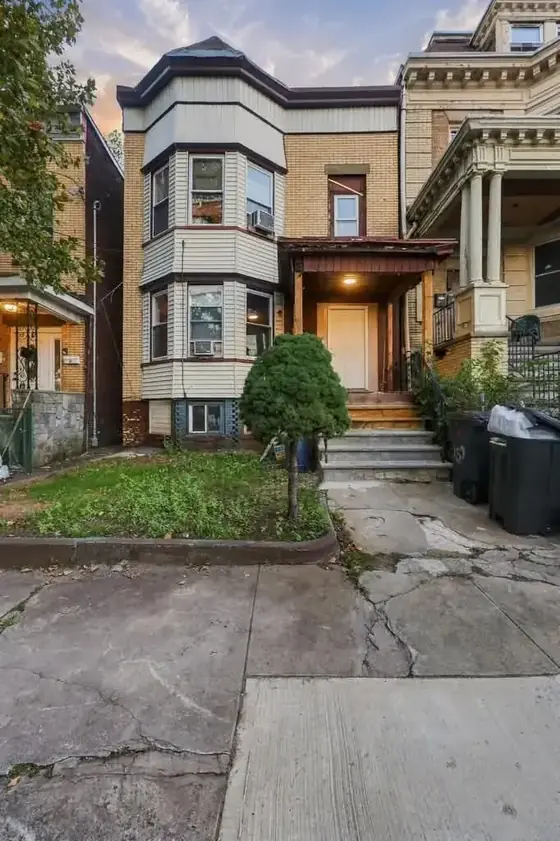

UPDATING
New homes for sale coming soon
We add new properties every week. Leave your WhatsApp or email and be the first to hear about new homes for sale.
Commercial property types and market values
If you are purchasing a commercial building or renting commercial property, it's important that you have someone who is aware of the rules about collecting rent, enforcing leases, maintenance, and commercial property laws in New Jersey.
Start with our Commercial Real Estate listings. Then calls or chat with us on WhatsApp for a free first consultation in English or Spanish.
Commercial property is usually divided into several broad categories:
The latest numbers from the counties will provide insight into the size of New Jersey's real estate market. The highest average home price in the counties listed where in Bergen County at $786,765 and in Ocean County at $551,072. The highest average rent in Passaic County at $2,230, while the highest average rent in Hudson County was at $3,056.
For commercial property, these benchmarks for residential property are not use to set your rentals price or purchase price for a property. The price of a warehouse lease and retail storefront lease in the same town may vary wildly. Talk to your local town tax office, your local county records office, and your lender for exact numbers for your property.
*These figures are for the while area (not an appraisal).
Common questions on commercial property managers
Request information about commercial property managers in English or Spanish, and meet for a free first consultation without pressure.
Ask on WhatsAppRetail:
store-front, strip malls, restaurants, mixed-use ground floor
Office:
professional office, coworking space, corporate headquarters
Industrial:
warehouses, distribution centers, manufacturing, storage facilities

Management costs and property taxes
Commercial management fees can vary depending on the type of property, size of the property and the amount of work you requires done. It's important to ask what fees will be charge before signing. Some managers charge a percentage of rent collected, while others charge hourly rate or a flat monthly fee. You should ask about how the property will be handled in the case of vacancies, repairs or after-hours calls.
Property taxes are separate, and an annual rate of 2.2% (with the actual rate depending on the municipality) is a good estimate.
Here's how the math works:
- Assessment: $500,000 - Tax rate: 2.2 - Annual property tax: $500,000 x 2.2 / 100 = $11,000 - Estimate monthly costs: $11,000 / 12 months = $917
That example is an educational example. Your actual bill will be based on what the value of your property was assessed as, the rate of the local municipality, and any exemptions that apply to your property. You can contact the municipal tax office to find out what the current rate and assessment are.
Commercial management responsibilities and scope
A commercial property manager is an agents for the owner. Responsibilities may include:
Some managers also do accounting, CAM reconciliation and CAM bill review on retail properties.
The scope of work is dependent on the agreement. A business property manager handles properties that are not privately owner such as a workplaces, retail store, and industrial building. If you only have one tenant in a small building, you may not requires the services of a property manager. However, if you have a multi-tenant building in another state, you may need a property manager who is licensed or authorized in that state.
Talk to someone who knows New Jersey
Free first consultation
English and Spanish
Answers the same day
Ask on WhatsAppCollecting and recording rent payments
Monitoring lease terms, renewals and options
Enforcing lease terms and late notices requirements
Vendors coordination, repairs schedules and building systems
Common area, parking, landscaping, and exterior lighting
Tenant communications, and disputes resolution
Insurance certificates, certificates of occupancy, and inspection schedules
Talk to someone who knows New Jersey
Free first consultation
English and Spanish
Answers the same day
Ask on WhatsAppLegal requirements for NJ property management
New Jersey law requires that buildings with three or more residential units must be registered with the DCA Bureau of Housing Inspection. These buildings include multi-family buildings and buildings that have a mix of residential and nonresidential use.
The NJ Real Estate Commission is part of the Department of Banking and Insurance, and is responsible for overseeing the licensing of real estate broker and salesperson. If a broker or salesperson is handling the sale or lease of your commercial property, make sure that they are licensed. A property manager license is not the same as a real estate broker license. Ask each person to confirm that they are licensed to do what you want they to do.
Before your first substantive discussion with a client concerning a specific property, the licensee is requires to deliver the Consumer Information Statement on New Jersey Real Estate Relationships.
Steps to hire a manager or buy property
For buying commercial property:
- Get pre-approval on financing and figures out your budget for the down payment, reserves, and closing costs. 2. Get a written buyer representation agreement signed before going on an open house. Agents get paid in a variety of ways (buyer, seller, or split). 3. Look over commercial property and make an offer. 4. Have your commercial contract reviewed by a New Jersey attorney. Agents can make contract forms available to you, and you'll have three business days to have it reviewed by an attorney after signing and receipt. Many New Jersey buyers, especially these who invest in commercial property, have a lawyer involved in the closing process. 5. Order inspections, get an appraisal, commit to a mortgage, and get municipal certificates (e.g., smoke and carbon monoxide detectors, etc.) 6. Final walkthrough and close
To hire a manager, you will need to ask for references, verify the managers license or registration status, review a sample management agreement, and ensure that you understand the fee structure.

Fair housing and tenant protections in NJ
Commercial tenants are not protected the same way that residential tenants are. If your property is use as a housing units for the general public, you must abide by the federal and state fair housing laws. You can file a complaints with HUD at 1-800-669-9777.
New Jersey's Law Against Discrimination provide protection to employees against discrimination on the ground of their creed, ancestry, sexual orientation, gender identity or expression, marital status, or lawful source of income. Employees can file complaints with the NJ Division on Civil Rights.
Residential leases are also covered under the New Jersey Fair Chance in Housing Act, which limits the amount a landlord may inquire into a tenant's criminal record, and New Jersey LAD laws regarding lawful income, which includes Section 8 vouchers. Residential leases may not charge security deposits in excess of 1.5 months' rent.
Talk with a New Jersey licensed attorney or loan officer to find out how these regulations affect your property. Calls a New Jersey attorney or loan officer for a free consultation in English or Spanish via WhatsApp.
Read this before asking about commercial property managers
What are the three main types of property managers?
Property management generally falls into residential, commercial, and industrial categories. Commercial property managers focus on workplaces, retail spaces, and storage areas rather than private homes. For specific details on which type of management fits your property, you can contact us for a free consultation.
What are property managers not allowed to do?
Property managers are prohibited from accepting payments for referring closing services under RESPA regulations. They must also comply with the Foreclosure Rescue Fraud Prevention Act, which forbids charging for services to stop a foreclosure. You should consult with a New Jersey attorney to ensure your management agreement follows all state laws.
How much do property managers get paid per property?
Management fees vary based on the property type, size, and the specific services you want handled. Some managers charge a percentage of the collected rent, while others use a flat monthly rate or an hourly billing structure. You should ask the manager for a written fee schedule to see exactly what is included.
What does a property manager do in real estate?
A property manager handles tasks like rent collection, lease enforcement, maintenance coordination, and tenant communications. They also manage common areas, landscaping, and essential documentation like insurance certificates and inspection schedules. For buildings with three or more units, the owner must also ensure the property is registered with the DCA Bureau of Housing Inspection.
Updates about commercial property managers
Talk with an independent pro about commercial property managers
Get started with commercial property managers through a phone call or WhatsApp message. We reply the same day, and the first consultation is free without obligation.