

FOR SALE
Condo Association · New Jersey
Condo Associations in New Jersey
A condo association in New Jersey refers to a group of condo owners in a building who oversees shared spaces, common utilities, building rules, and monthly dues.
Free first consultationEnglish & SpanishNo obligation
Homes for sale in New Jersey
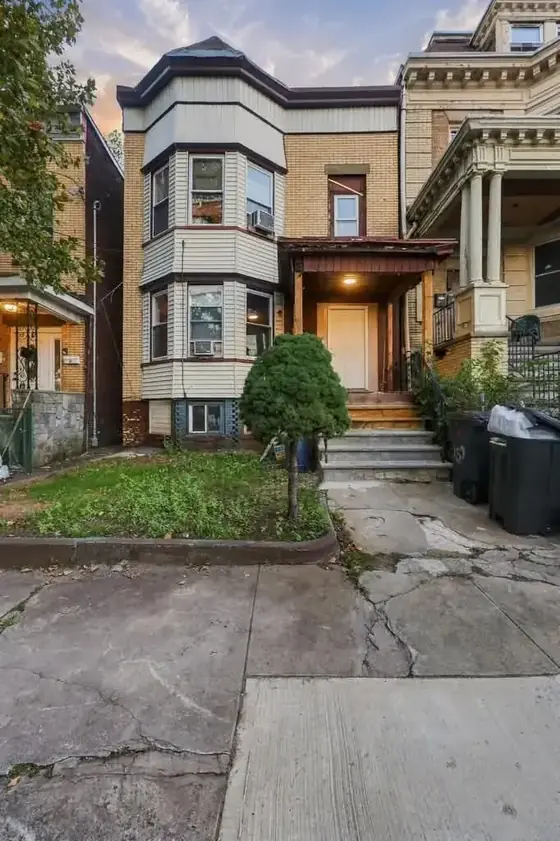
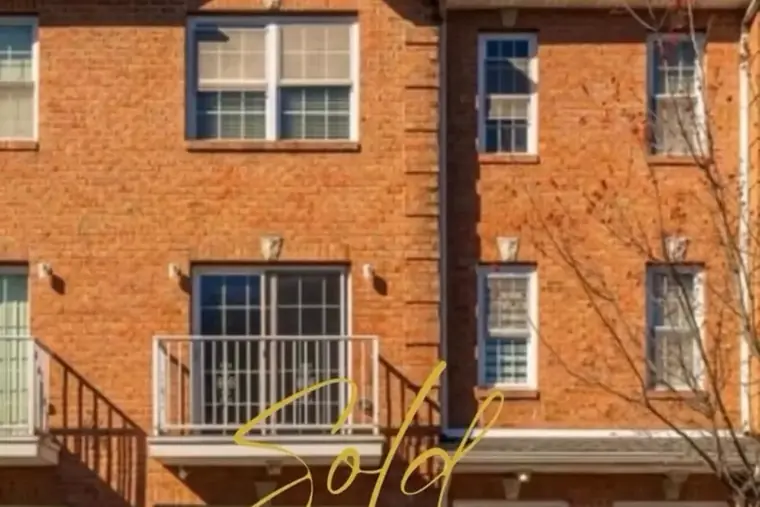
Active and pending homes. Ask about any of them in English or Spanish.

UPDATING
New homes for sale coming soon
We add new properties every week. Leave your WhatsApp or email and be the first to hear about new homes for sale.
Condo prices and rental trends in New Jersey
Find out what the association's budget, meeting minutes, reserve study, rules, charges, and any upcoming assessment plan are. The information will show you what you will be paying besides your mortgage as will as what the association will be requesting from the owners in the future.
Condo buyers should also consider the price, taxes, association fees, insurance, and lending requirements for the condo as will as the market. This is a practical guide to the costs of condos in New Jersey, legal requirements, and everything from pre-approval to closing.
New Jersey condo apartments include studios, one-bedroom and two-bedroom apartments, family condo apartments, converted buildings, older buildings, and new buildings with amenities. Listing prices don't always accurately represent the value of a unit. The price per square foot of a unit, the floor, the condition of the condo, parking, and monthly fees should be taken into account to decide whether a unit is a good buy.
The figures below show the average home value and observed rent in the ten-county area. ZHVI = typical home value; ZORI = typical observed rent, Zillow. These numbers are for the entire region, and do not reflect an appraisal of a particular condo.
Monthly rent can differ depending on where the condo is located, the size of the condo, the floor the condo is on, the condition of the condo, and what is included in the rent. Make sure to check if the monthly rent include heat, water, gas, electricity, parking, and building amenities. Find current available condos in North Jersey at Condos for Sale in North Jersey and Condos for Sale Near Me.

Understanding monthly association fees and taxes
A condo association cover the costs of common areas, common utilities and services, and building insurance. They also cover the administration. You are still responsible for paying for your own electricity, internet, etc. unless your lease or condo association agreement say otherwise.
For a simple property tax estimate per month, take the amount of the property assessment and multiply it by the local tax rate. The, divide it by 100 to get an estimate of your tax bill. New Jersey has a general tax rate of 2.2% for educational property tax estimates, but rate may vary depending on where the property is located. Try using the actual assessed value and the current tax rate in the municipality for a more accurate estimate. Make sure to verify the numbers with the municipality's tax office.
Say the assessed value is $500,000. At the 2.2% rate, the annual property tax would be $11,000, or about $917 per month before credits or other local adjustments. That’s separate from the mortgage, association dues, condo insurance, utilities, and parking.
Ask how dues are calculates, can dues be change, and whether there is a special assessment. Ask whether the dues pay everything, how reserves are funded, and what happens if there is a major building repair. These are planning assumptions, not an assessment, loan offer, or final tax calculation.
Legal requirements for condo associations
New Jersey’s Planned Real Estate Development Full Disclosure Act is an important law in connection to condominium ownership. It stipulates that certain information about the financial, operating, and other rules and responsibilities of the community most be disclosed to prospective buyers.
Before closing, request and review:
- The association's operating budget and most recent financial statements - Minutes of the association meetings - Reserve studies and reserve find information - Master lease, if applicable - Association's declaration, by-law and current rules and regulations - Proposed or scheduled assessments - Insurance information and major planned projects
Don’t treat the monthly dues as the only cost of living in a building. If your building’s reserve is low, it may need to ask for a special assessment to cover repair to the roof, elevator or water system. Before signing, check out the budget, meeting minutes, and reserves so you can ask questions.
The New Jersey Department of Community Affairs has a Planned Real Estate Development page where they post information about planned real estate development. If you have any questions about your contract or the disclosure forms, you should see a real estate attorney in New Jersey.
Steps to buy a condo in New Jersey

01Get pre-approved
Speak to a licensed loan officer regarding your budget, down payment, credit score, debt, and condo loan requirements. Some lenders may require more documentation when approving a condo loan due to the fact that the finances of the condo association pay a rule in the condo.
02Sign the buyer representation agreement
03Review condos and make an offer
04Complete the attorney review
05Order inspections and appraisal
06Handle municipal requirements
07Walk through and close
Important rules for condo owners
The association and its board enforce the community rules and maintain the common areas. Community rules may include noise ordinances, parking, alterations, pets, exterior alterations, garbage and use of amenities. Owners are responsible for maintaining their units and any damage they may cause.
Before buying, its worth checking the rules, how violations are handled, whether there are any outstanding disputes and whether permission is required for renovations. Changes to windows, air-conditioning, flooring and external features may require architectural approval.
The board is responsible for budgets, reserves, insurance, contractors, and association services. Owners should attend board meetings, vote (if eligible), respond to notices, and pay dues on time. If you disagree with a board decision, there are certain things you can do as specified in the association governing documents and as provided by New Jersey law. Contact a New Jersey lawyer to find out what steps you can take.
To talk about a condo search, what your budget is, and what documents to request, you can contact us for a free consultation using WhatsApp in English or Spanish.

Frequently asked questions
What is the difference between a condo association and an HOA?
A condo association typically manages a building or complex where you own a specific unit, while an HOA (Homeowners Association) usually manages a community of single-family homes. In New Jersey, both types of associations are governed by the Planned Real Estate Development Full Disclosure Act to ensure buyers receive necessary financial and rule disclosures.
Who regulates HOAs in NJ?
The New Jersey Department of Community Affairs (DCA) oversees planned real estate developments, including HOAs and condo associations. You can find specific information regarding these developments on the official Planned Real Estate Development page.
Can I refuse to join the HOA?
Generally, you cannot refuse to join the association if you purchase a unit within a planned real estate development, as the association's rules and dues are tied to the property ownership. You should review the declaration and bylaws provided during the disclosure process to understand the specific requirements of the community.
Are there any programs to help me buy a condo?
The NJHMFA offers programs for first-time buyers and those with eligible incomes through participating lenders. You should contact a licensed loan officer to see if you qualify for these specific programs or other local options in your county.
More about Condo Association

Tell us what you are looking for
We reply the same day by call or WhatsApp. Your first consultation is free, with no obligation. Need a price for your home? Ask for a free home value report.