
FOR SALE
Real Estate Asset Management · New Jersey
Real Estate Asset Management in New Jersey
New Jersey guide to real estate asset management
Real estate asset management in New Jersey is the process of owning and operating a property similar to a business.
Free first consultationEnglish & SpanishNo obligation

 Your local agentHi! I'm gathering helpful details on real estate asset management. What matters to you?
English& Spanish
Homes for sale in New Jersey
Active and pending homes. Ask about any of them in English or Spanish.
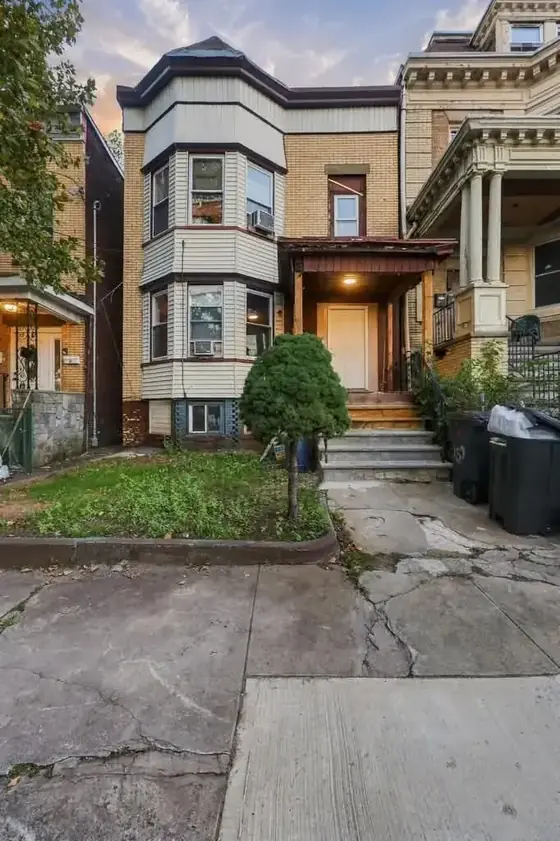

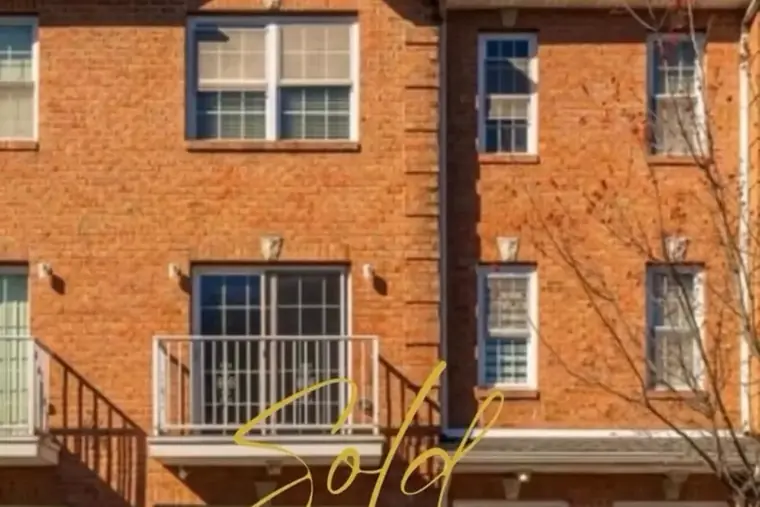
UPDATING
New homes for sale coming soon
We add new properties every week. Leave your WhatsApp or email and be the first to hear about new homes for sale.
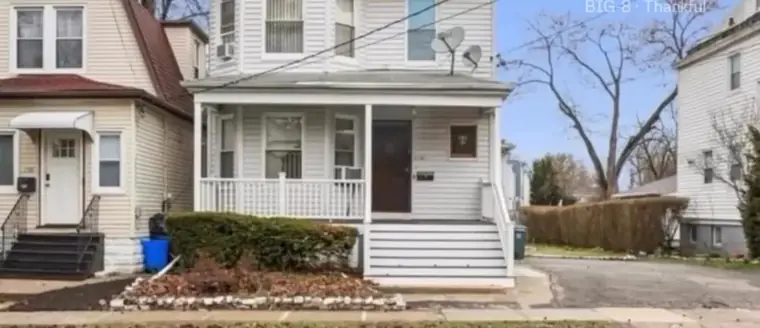
Property types and market values in New Jersey
You buy a property, pay taxes and mortgage payment, manage tenants and repairs, and keep track of all the expenses and income. The numbers below are only for you if you're buying your first property or adding a rental unit to your existing real estate portfolio.
Here are the homes that we have listed so far. It'll gives you an idea of what the inventory will looks like when you start working out the numbers.
New Jersey has different types of properties. The most common property type is a single-family home. Condos and townhomes also exist. For these properties, you also pay a monthly HOA fee in addition to your mortgage. The others type of property that most people are referring to when they say "asset management" is a multi-family property, such as a building that has two to four units, and can be rented out to help cover the mortgage. Then there are co-ops, farmhouses, and new developments that had rules written before you signed the paperwork.
Home values vary depending on the location. The following table shows the typical home value (ZHVI) and typical rent (ZORI) in each of the main counties:
Full area not appraisal. View our homes for sale in New Jersey, or North Jersey homes for sale.
Owner-occupancy is high in Monmouth (75.6%), Morris (74.3%), Somerset (74.3%) and Ocean (80.7%). In Hudson only 30.7% of households own, so that county runs mostly on renters. That gap is exactly what a small landlord is buying into.


New Jersey property taxes and ownership costs
New Jersey property tax is a local government tax and the rate is determined by the municipality. The rate should be estimate to be 2.2% of the assessed value per year. Not that this is not a quote - your municipality may be different (higher or lower) and each municipality has their own tax office.
Here's how the math works: (Assessed value x general tax rate) = 100 = annual tax bill.
Take a home with an assessment of $400,000 and a 2.2% rate: $400,000 × 2.2 ÷ 100 = $8,800 a year. Divide by 12 and that's about $733 a month, on top of your mortgage, HOA dues where applicable, utilities, and insurance.
Watch for these items on your tax bill: county, municipality, school district, library, and special district. The tax bill follows you to wherever you purchase an income property. One of the main reasons that a cap rate that looks good on paper doesn't pan out is due to taxes. Calls the municipal tax office or county tax assessment office to get the tax rate for a particular town.
Commuting and regional connectivity
Getting around is totally dependent on the location of the property.
North Jersey (Hudson, Bergen, Essex, Passaic, Union) has good rail access. NJ Transit trains connect to Newark and then to Midtown Manhattan. Towns with access to the Hudson Essex (or Morris Essex) lines and the Port Authority are closest to downtown.
Central Jersey (Middlesex, Somerset) - towns along the Northeast and Central Railroad and along the highway between New York City, John F. Kennedy Airport, and the Garden State Parkway.
South Jersey, including Monmouth and Ocean counties, is car-oriented, and has good access to the Parkway and the Garden State Parkway, as we'll as rail access in Monmouth County towns such as Neptune, Asbury Park, and Red Bank.
Coastal counties may see weekends and summer traffic. Inland towns may be quieter, but farther from the trains. If you're thinking of commuting, it's a good idea to looks into the station and schedule before you sign anything.

Key points
Get pre-qualified with a lender. You need to know what you can afford to pay before you make an offer. NJHMFA (NJ Home Mortgage Find Assn.) has programs for first time home buyers and those with qualified incomes. Participating lenders administer NJHMFA programs. Some municipalities and counties have programs of their own. 2. Sign the buyer representation agreement before you see a home. Under the 2024 NAR (National Association of Real Estate) agreement, the buyer representation compensation may be negotiable, be paid by the buyer, offered by the seller as a concession or split between the parties. 3. Make an offer on the home. 4. Attorney review - 3 business days. When the agents prepared the contract, the agents and the seller sign it and hands it to the buyer. The buyer then has three business days to get the contract reviewed by a New Jersey attorney. May buyers, particularly in North Jersey, bring an attorney with the through closing. 5. Inspections and appraisal and commitment. Home inspectors most be licensed by the state. A lead, radon, termites, and septic inspection are separate and required individual order. 6. Municipal Certificates - smoke detectors, carbon monoxide detectors, extinguisher, and certificate of occupancy or continued occupancy. The requirements and fees vary by municipality, so check with the building office. 7. Final walkthrough and closing. If you have an attorney, you should bring your own.
Steps to purchase and manage NJ property
The order is more important in New Jersey than others states.
From there, it's getting into the actual asset management, leases, deposits (maximum 1.5 month rent), maintenance, keeping the certificates up-to-data.
Investment strategies for multi-family units
House hacking is the most common way into New Jersey. You buy a two to four unit house and live in one of the units and rent out the rent. The income from the rent goes to pay off the mortgage. The mortgage lender is the person that gives you the money. Some people will do an ITIN loan or bank statement loan if they're self-employed, but they'll have to show more paperwork and it will have different terms (so speak to a licensed loan officer and see what your real qualifications are for).
Two formulas cover most of it:
NOI = Annual Rental Income - (property tax, insurance, utilities, repairs, management, vacancy). The remainder is what is left over for your mortgage and profit.
Cap rate is NOI divide by the purchase price. A property purchase for $600,000 with $30,000 in NOI has a 5% cap rate.
Cash-on-cash = annual cash flow / cash invested. I invested $120,000, I'll pull $6,000 in the first year. I am getting a 5% returns on my money.
Then stress-test it by creating a vacancy month, raising taxes, and installing repairs you never budgeted for. New Jersey Landlord-Tenant Act protects a tenant's legal source of income, while the Fair Chance in Housing Act puts limits on what you can ask about a tenant's criminal history. Carefully screen for legalities.

Legal requirements for New Jersey owners
At your first face-to-face meeting with the licensee concerning a property, they will provide you with the Consumer Information Statement on New Jersey Real Estate Relationships. Read it.
Every written agreement has to exist. Under RESPA it is illegal to pay a referral for settlement services. Each side has expenses; certificates, inspections, and on the seller side of the transaction there is the Realty Transfer Fee and Graduated Percent Fee, municipal certificates, and attorney fees. The IRS excludes $250,000 or $500,000 of gain on your primary residence under IRS Publication 523.
Condos and future developments are under the control of the Planned Real Estate Development Full Disclosure Act. When buying a condos, you should inquire about the budget, minutes, and reserve study of the HOA.
The NJ Data Privacy Act gives New Jersey residents the right to access, correct, delete, and transfer their personal data. New Jersey residents also have the right to opt out of targeted advertising, sale, and profiling. Appeals will be heard by the NJ Division of Consumer Affairs. New Jersey residents will also have to gives written consent before they receive automated calls or texts. Consent for automated calls and test message will need to be separate and optional, and they will need to be able to opt out.
If any of this is every a legal or tax decision, you should consult with a lawyer or tax professional in New Jersey.
Want to talk about a property in English or Spanish? Send us a message on WhatsApp for a free initial consultation, and we'll get you connected with the right licensed professionals.
FAQ basics: real estate asset management
What is the 7% rule in real estate?
The 7% rule is a common rule of thumb used to estimate the maximum monthly rent a property can generate based on its purchase price. It suggests that the monthly rent should be at least 7% of the total purchase price, though this varies significantly by market and property type. You should calculate your own potential returns using the NOI and Cap Rate formulas provided on our page to see if a specific property meets your goals.
What are the top 5 REITs to buy?
We do not provide investment advice or specific recommendations for Real Estate Investment Trusts (REITs). For information on specific investment vehicles, you should consult with a licensed financial advisor or investment professional. You can research public REITs through official stock exchange websites or financial news outlets.
Who are the biggest real estate asset managers?
We do not provide a list of specific companies or names of real estate asset management firms. To find a firm that fits your needs, you can search for licensed property management companies in your specific New Jersey county. You may also contact the local real estate board to ask for a list of service providers.
What is a typical asset management fee for real estate?
Asset management fees vary depending on the size of the portfolio, the level of service required, and the specific management company. These fees are typically negotiated as part of a management agreement and are not fixed by state law. You should request a detailed fee schedule and a management contract from several licensed professionals before making a hiring decision.
Further reading on real estate asset management
Ask for information on real estate asset management
For a same-day answer on real estate asset management, call or send a WhatsApp message. Your first consultation is free, and continuing afterward is entirely optional.