
FOR SALE
Home Buyers Course · New Jersey
Home Buyers Course and New Jersey Real Estate Guide
Exploring home buyers course in the Garden State
A home buyers course will guide you through the money, paper work, and property before you make an offer in New Jersey. Learn how to compare houses, calculate your monthly costs, and move from pre-approval to closing.
Free first consultationEnglish & SpanishNo obligation

 Your local agentHey! I can explain home buyers course in plain terms. What's your biggest question?
Same-dayanswers
Homes for sale in New Jersey
Active and pending homes. Ask about any of them in English or Spanish.
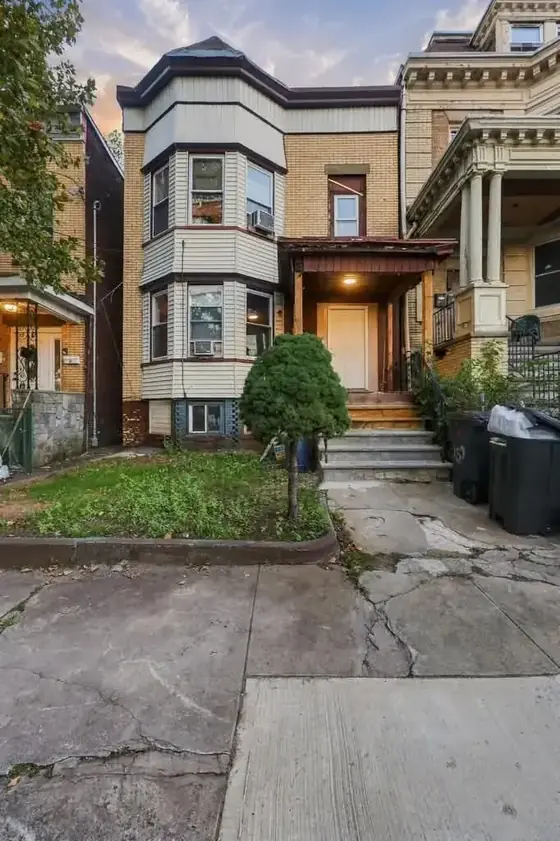

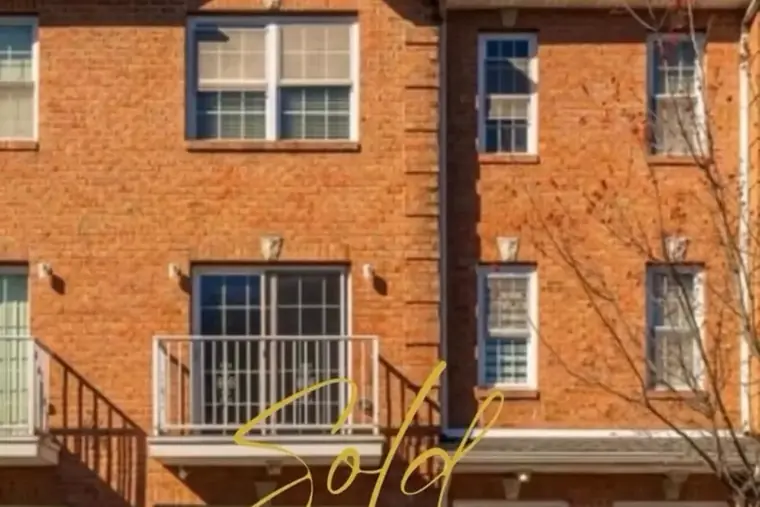
UPDATING
New homes for sale coming soon
We add new properties every week. Leave your WhatsApp or email and be the first to hear about new homes for sale.
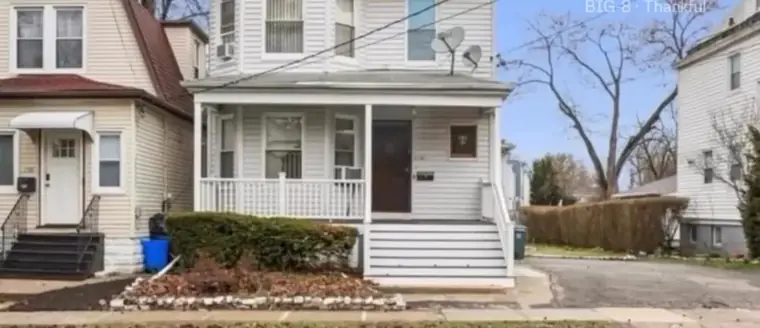
New Jersey home values and rental prices
Explore current options at Buy House New Jersey.
New Jersey home buyers can look into detached houses, condos, townhomes, and small multi-family properties. Home buyers course can help buyers understand how prices and rents vary from one county to another, which will help them translate general information into a realistic budget.
Condos often cost less to purchase but may have HOA fees and restrictions. Townhomes may provide more space, but no yard, and may come with HOA fees as will. Multi-family homes may offer an opportunity to earn income but may come with additional inspections, financing, and management.
Based on the U.S. Census Bureau Quick Facts for 2025, the U.S. Census Bureau American Community Survey 2020-2024, and Zillow Research data accessed in September 2026, the county-level averages are:
*These figures refers to the while county, and are not appraisals.
Monmouth and Bergen counties have the highest average home prices in this group. Hudson has a higher average rent than Bergen County but a lower average home price. This explains why some renters are able to buy in other areas but work in Hudson County.
Thinking about buying with home buyers course
Get started with home buyers course in English or Spanish, and attend a free first consultation without any obligation.
Ask on WhatsApp
Understanding property taxes and monthly costs
Property taxes are a part of the real monthly cost. This is not a statewide property tax percentage but rather one that changes by municipality. The calculator uses a 2.2% yearly percentage as an estimate.
Here’s a simple example: If a home is assessed at $500,000 and you use the 2.2% estimate:
$500,000 × 0.022 = $11,000 annual property tax $11,000 ÷ 12 = $916.67 per month
Now add in your mortgage, homeowners insurance, HOA fees if applicable, utilities and maintenance. The calculator also uses a 6.5% interest rate, a 30-year term, and $1,600 a year for insurance. This is an estimate, not an actual loan offer. Verify interest, taxes, and insurance rates with the lender and the town's tax office.
Commuting and location highlights
Location matters as much as price. You should check the exact location of NJ Transit stations instead of just looking up the county. Some houses are closer to the bus/train station, but some houses may be farther from the bus/train station and the trip may take a long time by car or by local transportation.
Buyers working in New York should consider the straight line distance between their location and Midtown Manhattan. The straight line distance doesn't account for bridges, tunnels, train stations, and traffic so check out the NJ Transit planner to see what your actual commute will look like. Check out Homes for Sale Near by Me Homes for Sale Near You in New Jersey | Market Guide and get a fees for the area before booking your tour.

How buying a home works in New Jersey
Attorney review and municipal certificates
After both parties sign and accept the contract drafted by the agents, the attorney has 3 business days to review it. This is not an indication that there will be no problems.
Many municipalities will also require a certificate of occupancy (CO), or a continued occupancy certificate (CCO), a smoke detector, carbon monoxide detector, and a fire extinguisher certificate if applicable. Requirements and fees differ. Contact the municipal building department before closing to verify requirements.

01Prepare your finances
Check your credit score, income, and debts. You'll also need a certain amounts of cash on hard for a down payment and closing costs. If you're getting a mortgage, you'll need pre-approval from a licensed lender.
02Choose your representation
03Search and compare properties
04Make an offer
05Begin attorney review
06Request inspections and documentation
07Finalize the mortgage
08Complete walkthrough and sign the closing papers
NJ homebuyer programs and financial options
The New Jersey Housing and Mortgage Finance Agency (NJHMFA) also provide a first-time homebuyer program that include those eligible through participating lenders. Some municipalities and counties also have local assistance programs. The programs and eligibility vary, so official program information should be checked prior to assuming the information.
ITIN loans may be available in nontraditional lending programs. Down payment and interest rates may be more restrictive. Self-employed people may be able to use bank statements and tax documents like a 1099.
Ask the lender for a written estimate of the amounts of cash it will need to complete the closing. The estimate will include the down payment, closing costs, prepaid items, and all other money associated with the loan.

Renting and fair housing in New Jersey
Renters often follow the 30% rules where rent payment should not exceed 30% of their gross monthly income. HUD defines households that pay more than that as bring cost-burdened. This rules is only a planning guide; landlord may have different criteria.
A landlord may charge a maximum of 1.5 months' rent for a security deposit, which must be returned within 30 days; tenants can seek double damages if it is wrongly kept. Ask for details of any application fees, first month's rent, screening criteria, and move-in fees before signing a lease.
New Jersey’s LAD contains protections for fair housing, which include, among other things, religion, ancestry, sexual orientation, gender identity or expression, marital status and lawful source of income including Section 8 vouchers. The Fair Chance in Housing Act prohibits landlords from asking about criminal history or running criminal background checks before making a conditional offer, and limits review after that offer. Landlords must inform tenants in a consistent manner of the criteria and must not engage in steering or discriminatory advertising.
For help with budget review, documents, or next steps, contact a free consultation in New Jersey on WhatsApp in English or Spanish.
Home buyers course Information and questions
How long is homebuyer education?
The length of a homebuyer course depends on the specific provider and the depth of the material covered. You should check with the specific organization offering the course to see their required hours or completion timeline.
Is Fannie Mae HomeView course HUD approved?
You must contact HUD or the specific program administrator to confirm if a particular course meets their approval requirements. Different programs may have different standards for what they consider a qualifying homebuyer education course.
How hard is it to get approved for a first-time home buyer?
Approval depends on your credit score, income, debt-to-income ratio, and available cash for a down payment. You should speak with a licensed loan officer to determine your specific eligibility and what documentation they require.
Are first-time home buyer classes worth it?
Many buyers find these classes helpful for understanding the sequence of events, such as the 3-business-day attorney review period and the need for municipal certificates. Whether they are worth it for you depends on how much of the process you already understand and your personal learning style.
What is framework homebuyer education?
This term usually refers to the core components of a homebuying curriculum, such as budgeting, understanding contracts, and navigating inspections. You should ask the specific course provider for their syllabus to see which topics they cover.
Deep dive on home buyers course
Ask for guidance about home buyers course
You can message or call us about home buyers course today. We'll respond the same day, and your free first consultation leaves you under no commitment.