
FOR SALE
Country Estates · New Jersey
Country Estates in New Jersey
Researching country estates for New Jersey residents
Country estates in New Jersey are defined as large homes located on country or semi-rural land, which may or may not be acres, may have outbuildings, pools, or other access to open space.
Free first consultationEnglish & SpanishNo obligation

 Your local agentHey! Want to explore country estates one step at a time? Ask your first question.
LocalNJ experts
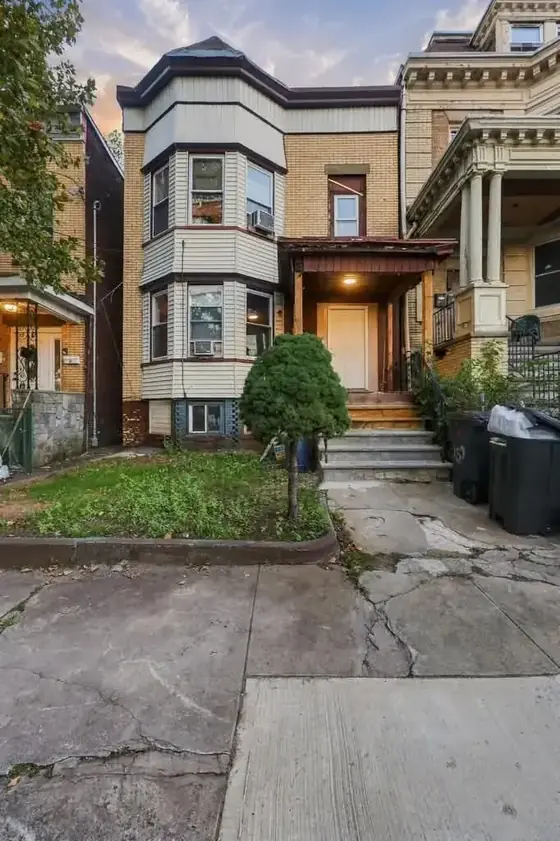
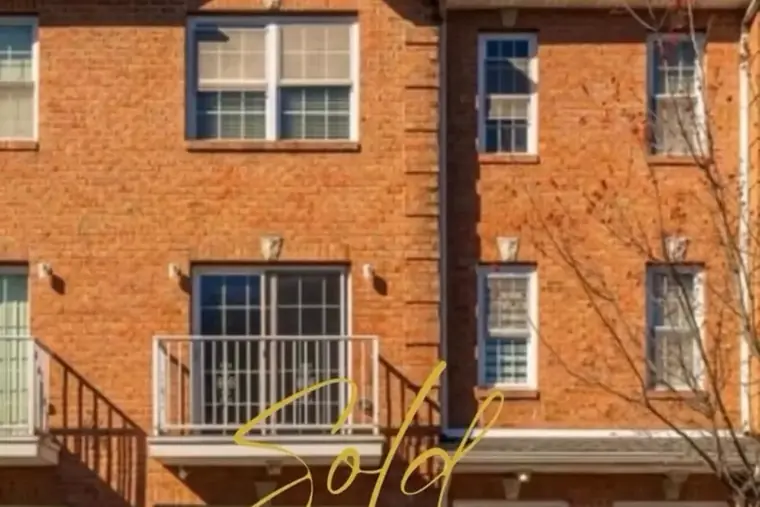
Homes for sale in New Jersey
Active and pending homes. Ask about any of them in English or Spanish.

UPDATING
New homes for sale coming soon
We add new properties every week. Leave your WhatsApp or email and be the first to hear about new homes for sale.
Types of country estates and home prices
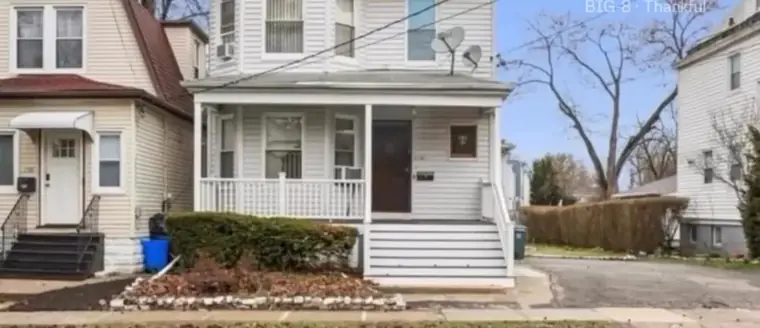
Country estates can be found in Monmouth, Morris, Somerset, Ocean, Bergen, and Middlesex counties. The prices of country estates in New Jersey, and the carrying costs differ greatly from town to town, lot size, condition and access.
Start with our Homes for Sale NJ page. The figures below are total market values for each county. They are not the value of each country estate.
A country estate may be a restored farmhouse, a brick or colonial estate, a modern house on many acres, or a house with a guest house, barn, pool or stable. Some country estates are located in areas with equestrian or agriculture focuses. Other estates are subdivisions with large lots and fewer restrictions.
The county data in the following tables is based on average house prices and average rents for the while of the county and is not an appraisal.
A large house, for example, would likely cost more than these figures as these numbers do not include cost of land, additions, condition and private features, and are derived from the average across the entire county. Annual changes are 6.9% for Bergen County, 6.5% for Monmouth County, 4.8% for Ocean County, 4.7% for Passaic County, 4.0% for Morris County, 3.7% for Essex County, 3.1% for Middlesex County, 2.5% for Somerset County, 2.1% for Union County and 1.2% for Hudson County.
Have a question about country estates?
Start your inquiry about country estates in English or Spanish with a free consultation that leaves you uncommitted.
Ask on WhatsApp
New Jersey property taxes and carrying costs
For an educated guess, the annual property tax rate would be 2.2%. The rate would vary depending on the municipality. Go to the tax office in the city where the property is located for its assessed value and property tax rate.
Here’s a simple example: Suppose a country estate has a value of $1,000,000.
$1,000,000 × 2.2% = $22,000 estimated annual property tax $22,000 ÷ 12 = about $1,833 per month
The assessed value is not the purchase price. The mortgage estimate can include property insurance, which could be $1,600 per year or $133 per month. Add all these costs together (mortgage, taxes, insurance, utilities, maintenance and HOA or association does) to get the real monthly cost of the house.
For a more complete estimate, please visit our guide on how to buy a house in New Jersey. The estimate listed above is only an educational estimate and is not a formal loan offer. Please visit a local tax professional to learn more about this estimate and the current rate in your area.
Commuting from New Jersey
Some country estates do have transportation, especially in rural areas. Some estates require a car to get to a shopping mall, job, schools, or rail station. Large lot does not necessarily mean good transit access. Check the address and the station closest to it.
NJ Transit service is highly dependent on the county. Rail service is mostly concentrated in the northeastern counties, while other rural counties in the west and south have vary limited service. Even in counties with rail service such as Monmouth, estate buyers must check if their property is near a rail station, and if there is parking available. Bergen, Passaic, Essex, Hudson, Union, and Middlesex counties also have rail service, but the distances to Midtown Manhattan vary greatly.
The county data includes the relevant market areas but not the zip codes or straight line distance to Midtown Manhattan for each property. The exact address is required to determine this information. We do not offer estimate for commute times without a defined route and destination.
Key points
Get pre-approval. Tank to a licensed loan officer. If you are self-employed or use an ITIN, ask what income and ID documents are required. You may be eligible for New Jersey Home Mortgage Finance Agency (NJHMFA) programs through participating lenders. 2. Sign a written buyer representation agreement. This can be a percentage of the sale price or a fixed fee and is negotiable. It may be paid by you or offered by the seller. You may discuss it before you sign a contract for a particular property. A licensee must give you a New Jersey Consumer Information Statement on New Jersey Real Estate Relationships before discussing a property. 3. Look at the property and make an offer. If you are looking at a country estate, be sure to find out acreage, easements, wells, septic, read access, barns, pools, and zoning. Ask for documents that you need before you make a strong offer. 4. Get the contract reviewed. After both parties sign and receive the contract prepared by the agent, a New Jersey attorney has three business days to review the contract. Many buyers in North Jersey have an attorney at closing. 5. Conduct inspections and due diligence. You should get a licensed home inspector to inspect the dwelling. You must get separate inspections for lead, radon, termite, and oil tank. Be sure to check the title, surveys, permits, zoning, and the status of the seller's certificate. 6. Get financing and close. After the lender commits to the financing and the final walkthrough, you can sign the documents, records the funds, and transfer the property. A New Jersey real estate attorney will explain the contract, title, and closing issues.
Steps to buy a New Jersey estate
Special requirements for large NJ properties
Large properties may have additions or systems that are not on the paperwork of the small property. Many municipalities require a certificate of occupancy (CO) or a continued certificate of occupancy (CCO) to self or rent a property. Many municipalities require a smoke detector certificate, carbon monoxide detector certificate, and extinguisher certificate.
Requirements and fees are different depending on the town. Contract the building department for the town you are purchasing. Ask for building permits, inspection reports, septic systems approval, and any paperwork for additions, pools, garages, guest house, and other outbuildings.
A New Jersey real estate attorney will be the best person to here if you have an estate with a mixture of residential and agricultural use, property with tenant, property with easements, property owned by an estate, property with boundary issues, or environmental issues. You will need Letters Testamentary or Letters of Administration from the county Surrogate if you are selling property that you inherited.
Get a free consultation on WhatsApp or by phone (English or Spanish) if you are interested in country estates for sale in New Jersey.

Country estates questions answered
How much will I pay in property taxes on a large estate?
Property tax amounts depend on the specific municipality's assessment and tax rate. For an educational estimate, you can use a 2.2% annual property-tax rate on the assessed value of the home.
Do I need a lawyer to help me buy a house in New Jersey?
Many buyers, especially in North Jersey, use a New Jersey attorney through the entire closing process. It is standard for a New Jersey attorney to review an agent-prepared contract within three business days of it being signed by both parties.
What documents do I need if I'm selling a house I inherited?
The county Surrogate must issue Letters Testamentary or Letters of Administration to the executor or administrator to authorize the sale of the property. These documents provide the legal authority needed to transfer the estate's title.
Are there special permits for things like pools or barns on my land?
Many municipalities require specific permits, inspection records, and certificates for additions, pools, garages, or outbuildings. You should confirm the specific requirements and fees with the local municipal building department.
How do I know if I can get a loan if I'm self-employed?
Self-employed individuals can explore loan options using bank statements or 1099 forms depending on the lender. You should meet with a licensed loan officer to determine which specific documents they require for your situation.
Answers for country estates
Ask about resources for country estates
Need a same-day answer about country estates? Reach us by phone or WhatsApp. Your first consultation is free and comes without any obligation.