

FOR SALE
Real Estate Funds · New Jersey
Real Estate Funds and Investment Property in New Jersey
Real estate investment funds include REITs, mutual funds, ETFs, and private funds that gather funds to invest in real estate. Check out homes for sale in New Jersey.
Free first consultationEnglish & SpanishNo obligation
Homes for sale in New Jersey
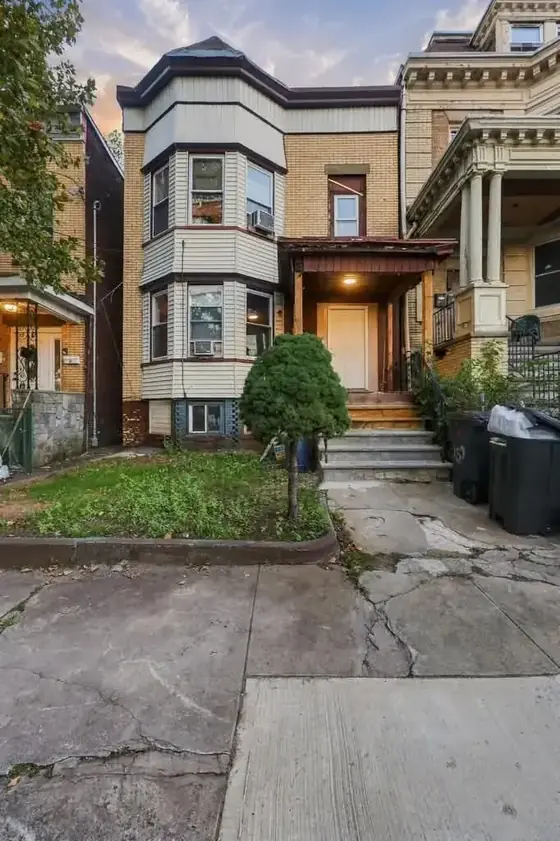
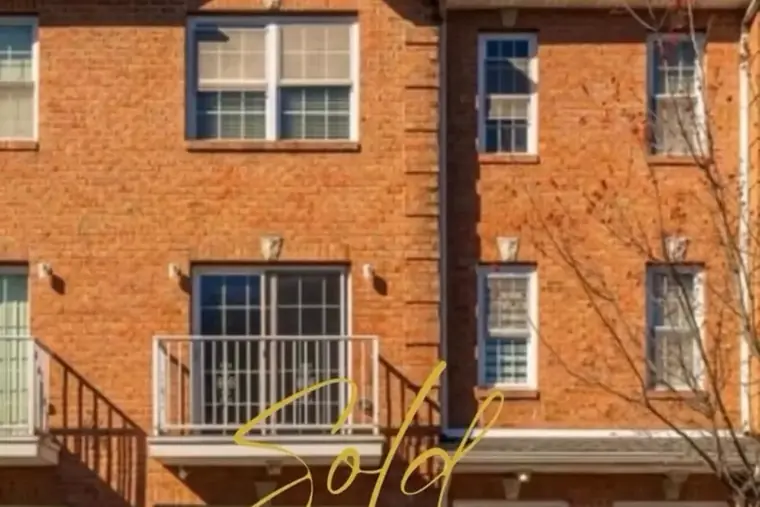
Active and pending homes. Ask about any of them in English or Spanish.

UPDATING
New homes for sale coming soon
We add new properties every week. Leave your WhatsApp or email and be the first to hear about new homes for sale.
Investment property values and rental trends in New Jersey
You can talk with a licensed agent over WhatsApp or by phone for a free initial consultation in English or Spanish.
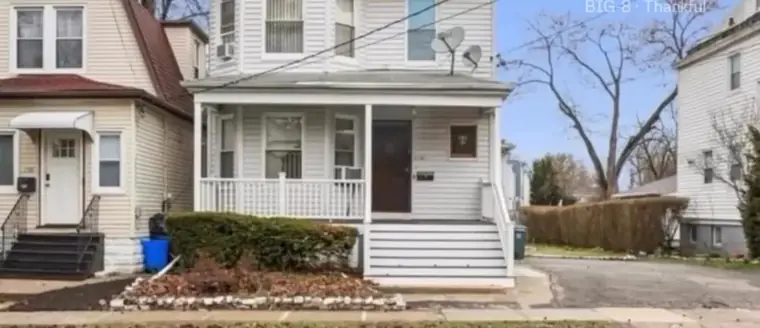
Investment property is a property bought for the purpose of earning income. In New Jersey, duplexes, three-unit, four-unit house, apartment buildings and commercial buildings are commonly considered to be investment properties. A house with a legally rentable unit may assist an owner to pay part of their mortgage.
County-level figures can give you an indication of the price and rent level in your area, but are not appraisals of the value of an individual property.
For example, the typical home in Bergen County is worth $786,765 and rents for $2,899, while the typical home in Monmouth County is worth $793,713 and rents for $2,867. These figures are just the average values for each county, and do not necessarily indicate how much a specific home will rent for or how much it will sell for.
ZORI measures typical observed rent, while ZHVI measures typical home value. Use them to compare price by county, and then use local listings, zoning, taxes, insurance and condition to compare your property. These are for the entire area, not for appraisals.


New Jersey property taxes and carrying costs
Property taxes can make or break an investment. The average property tax rate in New Jersey is 2.2% annually. This is used as an example, the actual rate will vary depending on where you line.
A simple annual estimate is:
Assessment × 2.2 ÷ 100
For example, if you have a property that's values at $500,000, your property tax estimate for the year would be $11,000 (or $916.67 per month). However, that's just the property tax estimate. Your actual carrying costs per month would include your mortgage payment, insurance, utilities, maintenance, vacancies, and property management fees.
Other costs may include HOA fees, condo fees, flood insurance, water, sewer, landscaping, and repairs. Go to the local municipality's tax office and request the actual property assessment and tax bill. Ask the lender for a full loan estimate that includes the taxes and insurance.
Real estate funds are different from real estate investments. Real estate funds are managed, and they may have several investments. They may also have some expenses. You need to understand the fees, investments, liquidity, tax treatment, and risk before investing in real estate funds.
Commuting and location for real estate assets
Location affects how many tenants you can rent and the resale value of your property. In terms of New Jersey investment property, you need to look at how accessible the location is to NJ Transit stations, major roads, job centers, and Midtown Manhattan. You will not fund the commute times and straight-line distances between properties in the county statistics, so you shouldn't assume that the location of one property is equivalent to the other.
Hudson County is a good option due to its good transit and proximity to New York City, but the local environment may not be ideal. Bergen, Essex, Passaic and Union counties also have easy access to major transit line. Middlesex, Monmouth, Morris, Somerset, and Ocean counties may be better options for those who want more space or a different rental market.
Before buying, check the location of the nearest stations, the parking rules, and the property itself during your commuting hours. If you are looking for a commercial property, you should consider vehicle access, loading and visibility, and nearby businesses. If you are looking for a residential rental property, you should look into transit options, highways, shopping, and the needs of the prospective tenant.
Steps to purchase investment real estate in New Jersey
For new investors, the steps to buy a house in New Jersey are similar, but with an emphasis on rental income and construction costs.
Understanding house hacking and multi-family units
A two- to four-unit home can be bought with a mortgage while the owner occupies one unit. The other units can be rented out for income to pay off the mortgage. The mortgage lender will approve the plan of occupancy, the treatment of income, and the loan terms.
Start with net operating income:
NOI = Rental income minus operating expenses
Then calculate the cap rate:
Cap rate = NOI ÷ Purchase price
For example, a property bought for $600,000 with $30,000 in annual NOI has a 5% cap rate. To measure cash-on-cash return, divide the annual cash flow after debt service by the cash invested.
These formulas do not replace an underwriting review. It is recommended that a licensed lender confirm the financing and a New Jersey licensed attorney review the purchase contract and rental agreement.
Special situations like foreclosures and heritages
Foreclosure properties are bank-owned properties (REO), sheriff sales, and short sales. In a sheriff sale, you will not be able to inspect the property and you will need to verify if there are liens, who is occupying the property, and the condition of the property before bidding. Short sales require lender approval and may take longer to close.
Owners facing foreclosure should talk to a New Jersey attorney, a HUD-approved housing counselor, and a tax professional. Owners should inquire as to any remaining deficiency. No one should promise to stop a foreclosure and no one should require owners to pay anything before a stop may be make.
For inherited property, if there is a will, then a county Surrogate will issues Letters Testamentary to the executor, or Letters of Administration if there isn't. These letters give the executor the power to sell the property. Before negotiating a sale, make sure that the executor has the power to sell the property.

01Set a budget
Determine how much money you'll need to spend on a down payment, loan, closing costs, repairs, and operating costs. You can get pre-approved for a loan from a licensed lender if you need a loan.
02Review the property
03Make an offer
04Review the contract with an attorney
05Complete due diligence
06Walk-through and closing
Legal requirements and fair housing for landlords
New Jersey landlords must comply with the New Jersey Landlord and Tenant Act and other laws applicable to the housing industry. Landlords can only change a security deposit equivalent to 1.5 months of rent. The New Jersey Landlord and Tenant Act (NJ LAD) also addresses lawful sources of income, including Section 8 vouchers. Landlords can be limited in questions about a prospective tenant's criminal history by the Fair Chance in Housing Act.
NJ protections include creed, ancestry, sexual orientation, gender identity or expression, marital status and lawful source of income. The federal complaints must be filed with the HUD at 1-800-669-9777 and the state complaints can be filed with the NJ Division on Civil Rights.
Talk with a New Jersey lawyer or fair housing specialist before you advertise for tenants, conduct tenant background check, write leases, or evict a tenant. Get a free first consultation by WhatsApp or over the phone in English and Spanish.

Frequently asked questions
What is a Real Estate Fund?
A real estate fund is a vehicle that pools money from multiple investors to invest in properties, such as REITs, mutual funds, ETFs, or private funds. These funds may hold interests in many properties and handle some expenses, but you must review their specific fees, liquidity, and risk before investing.
What creates 90% of millionaires?
There is no specific data or rule regarding what creates 90% of millionaires in the context of New Jersey real estate. For information on building wealth through property, you should consult with a financial advisor or a licensed professional.
What are the top REIT funds?
The specific top-performing REIT funds are not listed here, as investment performance varies and depends on your individual financial goals. You should research specific funds and consult with a financial professional to see which might fit your investment strategy.
What is the 3-3-3 rule in real estate?
The 3-3-3 rule is not a standard regulatory or legal term provided in these real estate facts. If you are referring to a specific investment strategy, you should verify the details with a licensed real estate professional or financial advisor.
More about Real Estate Funds

Tell us what you are looking for
We reply the same day by call or WhatsApp. Your first consultation is free, with no obligation. Need a price for your home? Ask for a free home value report.