
FOR SALE
International Real Estate · New Jersey
International Real Estate in New Jersey
New Jersey information on international real estate
International real estate in New Jersey means buying, renting, or investing in a house in New Jersey if you're from another country. You don't need to be a U.S. citizen to buy or rent a house in New Jersey.
Free first consultationEnglish & SpanishNo obligation

 Your local agentHey! Let's find a clear starting point for international real estate. What do you need?
Same-dayanswers
Homes for sale in New Jersey
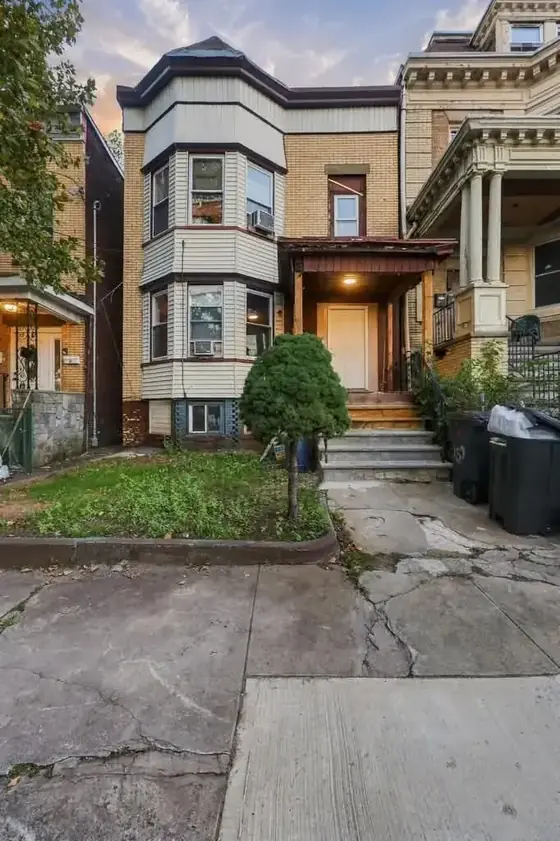
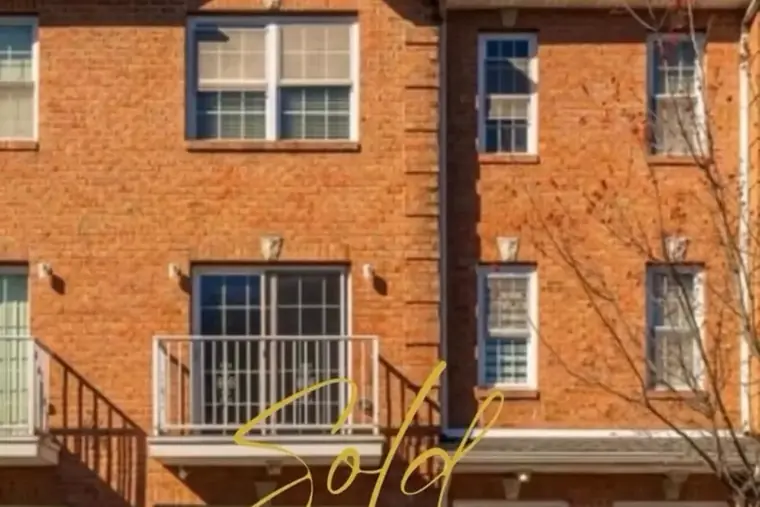
Active and pending homes. Ask about any of them in English or Spanish.

UPDATING
New homes for sale coming soon
We add new properties every week. Leave your WhatsApp or email and be the first to hear about new homes for sale.
Home types and prices in New Jersey
However, lenders will need proper documentation showing where you make your income, who you are, and the source of funds. Start by researching houses and neighborhoods you can afford. Then, tank to licensed professionals to find financing options, tax implications, and other requirements.
Browse homes for sale in New Jersey or homes for sale near you to see what the market is line. We can also assist you in getting a free first consultation with a licensed real estate licensee, lender, attorney or inspector.
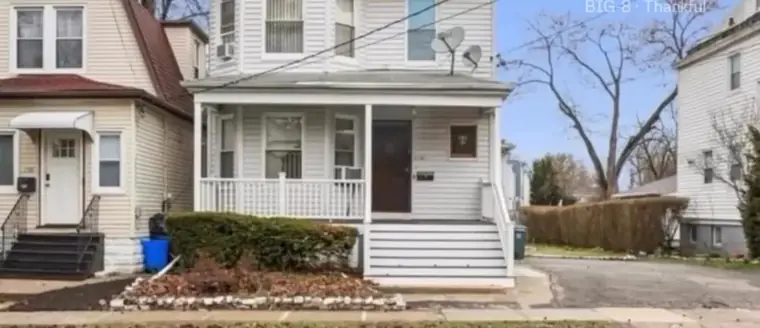
New Jersey has detached houses, townhomes, condominiums, co-ops and small multifamily buildings. Condos and apartments are more common in urban counties and detached homes and larger homes are more common in suburban counties.
Here’s a look at typical home values and rents in each county:
These figures cover the while of the county and are not a valuation. They are indicative of the price ranges, but not the value of any individual house.
If you’re looking for homes for sale in the North Jersey area, then check out our homes for sale in North Jersey page.
Your useful international real estate reference
Learn about international real estate through an English or Spanish consultation that is free initially and carries no commitment.
Ask on WhatsApp
What you pay each month in New Jersey
Property tax is generally the largest of the housing expenses in New Jersey. A typical rate is 2.2% per year. The exact rate will vary from municipality to municipality. Contact your local tax office to find out the assessed value of your property and the current property tax rate.
Here’s a simple example. Suppose the value of a home is $500,000 and the rate is 2.2%.
$500,000 × 2.2 ÷ 100 = $11,000 for one year
That works out to $917 a month. This is just an example. Your taxes also depend on your actual assessed value, rate, and any exemptions that you might qualify for.
Add mortgage interest, homeowners insurance, utilities, and maintenance to estimate your real monthly cost. For a rough educational estimate, use 6.5% interest, a 30-year loan, $1,600 a year for insurance, and a 2.2% property tax rate. This is an educational estimate, not a loan offer.
If you are selling your house, you should ask about the Realty Transfer Fee, the Graduated Percent Fee, and other closing costs.
Commuting and regional connectivity
New Jersey is served by rail, bus, and road service to New York City. Most cities in Hudson County are located near Midtown Manhattan. NJ Transit has rail service in Jersey City, Hoboken, Weehawken, Bayonne, and Newark. NJ Transit operated stations on the Main Line and Bergen Line in Bergen County and the North Jersey Coast Line in Monmouth County.
North Jersey also has PATH stations, but the PATH systems is separate from NJ Transit. Refer to the current station map and schedules before deciding where to line based on your commute. Do not make your decision based on a guess about the time it taxes to get to work. You need to know where the address is, where the station is and which route you are on.

Key points
Get pre-approved. Look up lenders and find these who accept international buyers. ITIN loans are available from specialized lenders that are not part of regular programs. Different lenders will have different requirements for down payment, interest rate, and documentation. Ask about your situations if you are self-employed or have income from another country. 2. Use a licensed real estate agent. As of the 2024 NAR agreement, buyers will be required to sign a written representation agreement prior to touring homes. Your agent will receive a negotiable commission. The first discussion with a specific property will have the Consumer Information Statement on New Jersey Real Estate Relationships given by a licensee. 3. See homes and make an offer. If you are interested in homes for sale in Elizabeth, NJ, view this page. Otherwise, see our guide on how to buy a house in New Jersey. 4. Get an attorney review. One the buyer and seller sign the contract and an agent prepared the contract, it will be submitted to a New Jersey attorney for review, which taxes 3 business day. Many North Jersey home buyers have an attorney with the when they close. 5. Inspections and due diligence. Home inspectors must have a state license. Separate inspections are required for lead, radon, termite and oil tank. 6. Municipal requirements. Obtain any required certificates and make sure that financing, appraisal and title are all complete. 7. Walkthrough and close. Walk through the property one final time, sign the closing papers, and pick up the keys.
Steps to buy property in New Jersey
Required municipal certificates
Many towns require a certificate of occupancy (CO) or certificate of continued occupancy (CCO) in older to sell or rent a home. In some towns a certificate of smoke detector, carbon monoxide detector, and fire extinguisher is also required.
Each municipality has its own set of rules and fees. Contact your local building office before the deadline for your contract if you are buying an older property.
New home warranty protections
New construction homes are protected under the New Home Warranty and Builders' Registration Act. The warranty and the duration of protections varies by plan and builder registration. Request to see a copy of the warranty in writing and find out if the builder has registered with the NJ Department of Community Affairs.
Renting and investment considerations
For renters, a common starting point is spending no more than 30% of gross household income on rent. HUD describes people paying more as cost-burdened. This is a guide, not the only factor a landlord may consider. New Jersey’s security deposit cap is generally 1.5 months of rent, with exceptions that apply in certain situations.
Before signing, make sure that the apartment is legal to rent. Read the lease contract carefully. Section 8 vouchers are a legal source of income in New Jersey. Landlords are not allowed to ask about your criminal history on the application or run a criminal background check before a conditional offer under the Fair Chance in Housing Act.
For investors, a two- to four-unit property can be purchase with the buyer living in one of the units. Income generated from the other units can be use to pay the mortgage but the need for a proper reserve will not be met. Be sure to review the lease agreement, rental law, and property management costs prior to including this in your income.
Two useful calculations to consider when looking at investing are net operating income ("NOI"), which is the net cash flow before tax, and the capitalization rate, which is NOI divided by purchase price. Cash on cash return is the annual cash flow divided by the cash invested. Do the math with a licensed professional.
For help with buying, renting, or investing in property in New Jersey, please call us for a free first consultation over WhatsApp in either English or Spanish.

Common international real estate questions, clear answers
Can I buy a house in New Jersey if I don't have a US social security number?
Yes, you can purchase property in New Jersey without a U.S. social security number by using an ITIN loan through specialized lenders. These loans are separate from standard programs and may have different requirements for down payments and documentation. You should contact a licensed lender to see if your specific income source, such as self-employment, qualifies.
What happens if I want to buy a property that was left to me in a will?
To sell a property inherited from someone else, the county Surrogate must issue Letters Testamentary or Letters of Administration to the executor. These documents provide the legal authorization needed to sell the real estate. You should consult with a New Jersey attorney to ensure all titles and deeds are properly handled.
How much can I pay for a security deposit when renting?
In New Jersey, the security deposit is generally capped at 1.5 months of rent. This limit applies to most standard rental agreements. You should review your specific lease agreement to confirm the exact amount and any applicable exceptions.
What are the extra costs I need to pay when I sell my home?
When selling, you may be responsible for the Realty Transfer Fee, the Graduated Percent Fee, and various municipal certificates. These costs, along with your negotiated commission, are part of the total closing expenses. You can check with a New Jersey real estate attorney to get a detailed breakdown of these fees for your specific town.
Useful facts about international real estate
Reach out with questions on international real estate
Send us a call or WhatsApp message, and expect our reply the same day about international real estate. Your first consultation is free, with no commitment.