

FOR SALE
Residential Property Management · New Jersey
Residential Property Management in New Jersey
Residential property management in New Jersey refers to the management of a residential property that you rent out.
Free first consultationEnglish & SpanishNo obligation
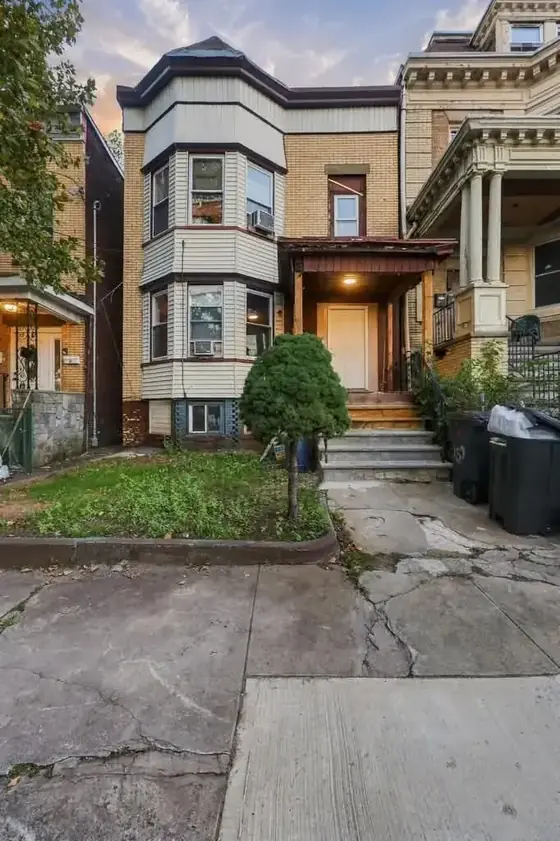
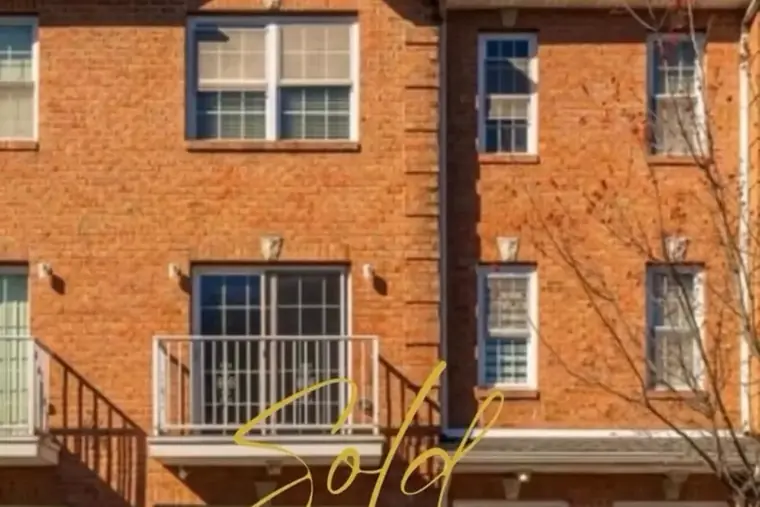
Homes for sale in New Jersey
Active and pending homes. Ask about any of them in English or Spanish.

UPDATING
New homes for sale coming soon
We add new properties every week. Leave your WhatsApp or email and be the first to hear about new homes for sale.
Rental market and property values in New Jersey
Residential property management includes finding tenants, collecting rent, handling repairs, keeping records, and compliance with New Jersey state and local law. The most effective way to manage your residential property varies according to the property, the county in which it is located, and if you live close to the property or whether you need a licensed property management company to manage your residential property on your behalf.
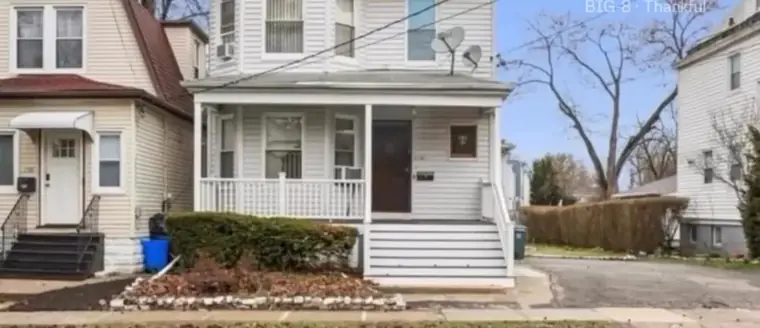
New Jersey rental properties are most commonly single-family homes, condos, townhomes, duplexes, and small multi-family buildings. The location of a rental property in New Jersey will play a major rose in the price of the property. A property near the local transportation system will cost more to rent than a property located away from major transportation hubs.
Typical home price and rents vary from county to county. This is a list, by county, of typical home price and rents, based on the Zillow Research report, with data from the U.S. Census Bureau.
These figures are area-wide market references, not appraisals for an individual property. Annual changes also differ by county. For example, the typical rent rose 4.0% in Monmouth and 2.9% in Hudson, while Essex increased 0.7%.
A property manager should look at recent rents paid for similar houses in the area instead of the average for the entire county. The age and condition of the house, the number of parking spaces available, utilities, pets, and transit will also all be factors for how much a renter will accept.

Questions about Residential property management?
The NJHomeGo team answers in English or Spanish. Free first consultation, no obligation.
Ask on WhatsApp
Monthly costs of owning in New Jersey
New Jersey property tax is based on the assessed value of the property, and the local tax rate. A property sold might not have its value set to the sale price. The property owner should contact the local municipal tax assessor for information about how the property was assessed.
For a simple educational example, if a property has an assessed value of $500,000 and uses the 2.2% orientative rate, the estimated annual property tax would be:
$500,000 × 2.2% = $11,000 per year, or about $917 per month.
That is just an educational estimate. Your tax rate will vary by municipality. Things live insurance, maintenance, utilities, management fees, vacancies, and repairs should be factored into your monthly budget.
For a rental property, net operating income can be calculated by taking rental income and subtracting operating expenses. The, divided net operating income by the purchase price to find the cap rate. Divided annual cash flow by cash invested to find the cash-on-cash return. These figures are estimates and not guarantees.
Where New Jersey is and how to commute
New Jersey is a small state. The differences between neighborhood can be quote large. NJ Transit trains connect to different neighborhood around Newark, Trenton, Camden, the Jersey Shore, and the New York metro area. Some location are close to the train station, but some require a bus or a drive to a park-and-ride.
Hudson County is will-serve by Hudson County and PATH rail stations. Bergen County has rail access along its southern border and major highway. Essex, Union, Middlesex, and Somerset counties have more urban areas as will as more suburban areas along their borders. Monmouth and Ocean Counties contain more coastal and shore communities which may have different local transportation patterns than those counties to the north.
For an owner, the distance to a station is not everything. The access road, parking, bus service and the route used by tenants should also be checked. Local details can be found by visiting the municipal website or a transit website.

Steps to manage or lease a New Jersey home

01Prepare the property
Make sure the property is habitable, and repair anything that need it. Take photos of the property. Some cities may require an occupancy or continued-occupancy certificate, as will as smoke and carbon monoxide detector certificates. Check the building office at the town hall for specific requirements and fees.
02Set the rent and screen the tenant
03Receive and review applications
04Write the lease
05Give the tenant the required documents
06Complete the move-in process
Legal requirements for New Jersey landlords
The New Jersey Landlord and Tenant Act protects the lawful source of income of tenants including lawful housing vouchers. The New Jersey Landlord and Tenant Act require that the selection criteria for tenants be consistent, lawful, and not based on the source of the income.
Security deposits can't usually go over 1.5 months worth of rent. The owner should check their lease and current state law to see what deductions are allowed and how quickly they should return the deposit.
The Fair Chance in Housing Act prevents landlords from asking about applicants' criminal records or running criminal background checks before a conditional offer. It's important to review the current requirements to ensure that your application form and screening process complies with state and federal fair housing law.
For disputes, a lawyer in New Jersey can explain lease terms, eviction procedures, and other legal matters. A tax specialist can help you understand the costs associated with ownership. If you're not sure if a planned renovation, rent change, or lease term would be considered a legal issue, ask for advice before you make the issue a reality.
For a free consultation about your home in New Jersey, fees free to chat with us on WhatsApp in English or Spanish.

Frequently asked questions
How much do property managers get paid per property?
Property management fees vary based on the type of property, the scope of services provided, and the specific management company's rates. You should contact local property managers to get a specific quote for your home or building.
What is the 50% rule for rental property?
The 50% rule is a common real estate calculation used to estimate the annual operating expenses of a rental property by assuming they equal 50% of the gross annual rent. You should consult a tax professional or a licensed real estate professional to see how this applies to your specific investment and tax situation.
Who is the largest residential property management company?
There is no single official list of the largest residential property management companies, as many are private or regional firms. You can research local firms in your specific New Jersey county to find those that serve your area.
More about Residential Property Management
Tell us what you are looking for
We reply the same day by call or WhatsApp. Your first consultation is free, with no obligation. Need a price for your home? Ask for a free home value report.