
FOR SALE
Stock Real Estate · New Jersey
Real Estate Investing and Stocks in New Jersey
Planning your research on stock real estate
Stock real estate is buying property with the intention of renting it out, buying a multi-family property, or buying shares in a real estate investment company. The cost and risks associated with these options vary.
Free first consultationEnglish & SpanishNo obligation

 Your local agentHey! I'm here to talk through stock real estate. What's been on your mind?
Licensedpros
Homes for sale in New Jersey
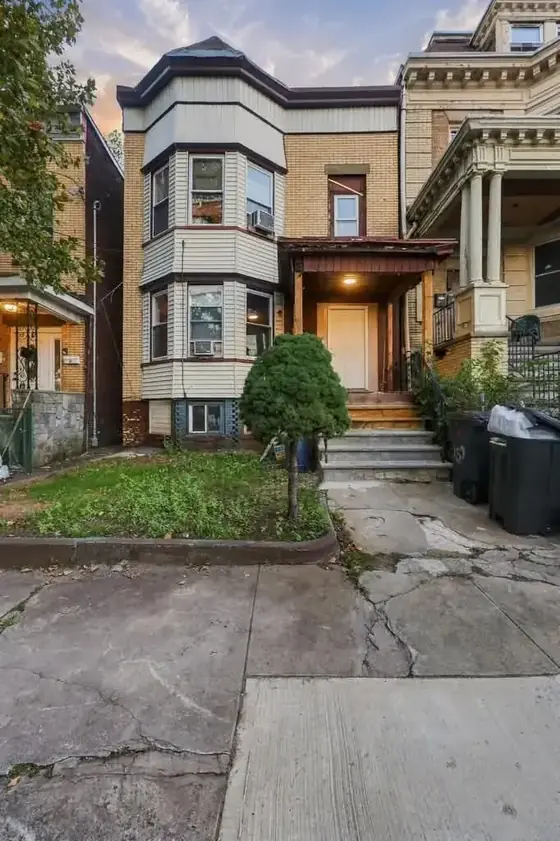
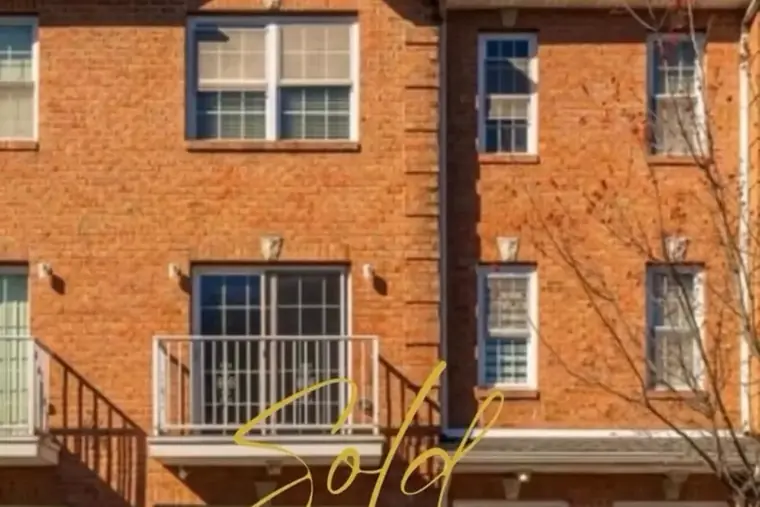
Active and pending homes. Ask about any of them in English or Spanish.

UPDATING
New homes for sale coming soon
We add new properties every week. Leave your WhatsApp or email and be the first to hear about new homes for sale.
Home values and rental trends in New Jersey
In the state of New Jersey, property taxes, closing costs, financing options and rental demand in the local area may be a more significant factor in calculating the return on investment than the headline percentage of appreciation.
If you’re thinking about investing in real estate versus stocks, the numbers are key. The purchase price, yearly expenses, rent, financing, and holding period are all important. We'll find a realtor to help you find a licensed agents for a free first consultation.
New Jersey investors can invest in single-family homes, condominiums, townhomes or small multi-family properties. Single-family homes provide more space and greater flexibility, making it an ideal choice for investors who want to buy and build a house. Condo can have fewer issues with exterior maintenance, but the owner is responsible for paying association fees and following association rules. A two or four-unit property can generate income for the owner, but it also comes with a lot of responsibility, such as vacancy, repairs and property management.
The table below shows the average home value, change per year, and average observed rent in all 10 counties. ZHVI stands for average home value from Zillow, and ZORI stands for average observed rent from Zillow. They are for the whole area, not for any appraisal. Area Home value Change per year Observed rent ZHVI ZORI
A higher ZHVI does not automatically mean it is a good investment. One must compare it to how much rent, expenses, taxes, financing costs, and how much capital is required. Statistics from the county do not compare municipalities with one another.
For a starting point, check out our Homes for Sale in NJ and Houses for Sale in North Jersey.


What owning costs each month in New Jersey
For educational purposes, estimate the property tax rate at 2.2% of the assessed value annually. This is only a planning estimate. Each municipality has its own rate. Contract your local municipality's tax office for the assessed value and rate of your property.
Here’s a simple worked example. Property assessed at $500,000:
$500,000 × 0.022 = $11,000 estimated annual tax
That works out to about $917 a month. Include the principal and interest on your mortgage, homeowners insurance, utility bill, maintenance, HOA fees if applicable, and any property management costs to get the true cost of carrying the property on a monthly basic.
Using the calculator's defaults, a 30-year loan at 6.5% and $1,600 a year for estimated annual insurance payment will give another point of reference for planning. The numbers above are just estimates, not a loan offer. For an actual payment amount based on your property, down payment, credit, and lender terms, tank with a licensed loan officer.
Stocks generally do not have property taxes, but real estate does. Before buying any property, consult a tax professional to ensure that you are in the right tax bracket.
Commuting and regional connectivity
NJ Transit operates in many parts of New Jersey and connects New Jersey to New York City and other employment centers. Hudson, Bergen, Essex, Passaic and Union Counties all have direct rail access to Midtown Manhattan. Middlesex and Monmouth counties both have rail service and depending on the station, route and final destination, a variety of different transportation options are available.
For someone who live downtown, don't just look at the cost of the ticket. Consider the stations accessibility, frequency of train, parking, how long it taxes to get to the station, and if these is a direct line. Apartments near train stations may be more desirable to tenants, but may also be more expensive and have stricter rules.
Check current schedules and stations information for NJ Transit. The straight-line distance between stations does not always equal the amount of time it will take to get between the, since it does not factor in the route and transfer time.
If you want to begin your search from a location, the page for Home for Sale Near by Me will be of use to you.
Key points
Get pre-approval. Obtain a licensed lender to provide your credit report, income, debts, and down payment. Find out about the New Jersey Housing and Mortgage Finance Agency first-time buyer programs and participating lenders. 2. Sign the buyer representation agreement. The licensee must deliver the Consumer Information Statement on New Jersey Real Estate Relationships to a consumer at the time the licensee begin a substantive discussion regarding a particular property. Compensation is negotiable and can be paid by the buyer, be offered by the seller as a seller concession, or be split. 3. Select the property and make an offer. The contract contains the price, financing, inspection period, and closing conditions. 4. Attorney review. New Jersey provides a three-business-day attorney review period on contracts prepared by real estate agents. Many buyers, particularly in New Jersey, have an attorney at the closing. 5. Inspect and underwrite. New Jersey home inspector are state licensed. Separate inspections for lead, radon, termite, and oil tank are required. Appraisal and mortgage commitment are ordered by the lender. Municipal requirements for smoke, carbon monoxide, extinguisher, occupancy, and continued occupancy may also apply. 6. Verify closing details and close. Verify the closing disclosure, the amount of cash needed to close, the title, insurance, and property tax. Walk through the property before signing.
Steps to buy a home in New Jersey
Mandatory New Jersey disclosures need to be real vary carefully. For more information, check out Buy House New Jersey.
Investing in multi-family properties
House hacking means that the buyer is renting out the other units in a two- to four-unit house while living in one. You may be able to get a mortgage on a house with owner occupancy, but it depends on the lender and if you are eligible. Tank to a licensed mortgage loan officer to verify if this program is available. The other units will pay for your mortgage, but you will still need to have funds set aside for vacancies and repairs.
Use three basic calculations:
- Net operating income: Rental income (expected) - vacancy (expected) - management (expected) - maintenance (expected) - taxes (expected) - insurance (expected) - other operating expenses
- Cap rate: Net operating income (NOI) divide by the property value
- Cash on Cash Return: Annual cash flow divide by amount of cash invested (down payment, closing costs, etc)
The rent and expenses should be based on the specific property rather than county averages. Look at the lease. Are these any local law concerning the rent? Is the property legally rentable?
For investment advice or to get a review of your property, consult with an attorney, tax professional, licensed lender, or other appropriate professional in New Jersey.

New construction and condo disclosures
New homes in New Jersey are covered under the New Home Warranty and Builders' Registration Act. Builders are registered with the New Jersey Department of Consumer Affairs if they choose to participate in the Act. The terms and coverage periods for particular homes must be verified as they are not assumed to be the sale.
Condominiums and other planned real estate developments are required to be disclosed pursuant to the Planned Real Estate Development Full Disclosure Act. Buyers should request the condominium association budget, governance documents, meeting minutes, reserve information, rules and special assessments.
Also request the seller's property tax bill, association fee history, utility bill, and pending lawsuits or capital projects. These documents may help you identify expenses that may not be reflected in the listing price.
If you’re trying to decide whether you want to invest in a property or stocks, we're here to help you decide which way to go. Get a free consultation with our licensed real estate experts by WhatsApp or phone in English or Spanish.
Stock real estate: what you need to know
Can I use a mortgage for stock real estate and live in one unit?
Yes, you can often finance two- to four-unit properties while living in one unit, a strategy known as house hacking. You must confirm specific eligibility and loan rules with a licensed loan officer, as requirements vary by program.
How much does stock real estate cost to buy a house in New Jersey?
Total costs include the purchase price, property taxes, closing expenses, and ongoing costs like insurance and maintenance. You should check with a licensed professional to get a specific breakdown based on your credit profile and the property's location.
Do I need a lawyer to buy a home in New Jersey?
While not strictly required for every step, many buyers—especially in North Jersey—use an attorney through the entire closing process. New Jersey law provides a three-business-day attorney review period for contracts prepared by agents.
What are the rules for renting out a property?
Landlords must follow the New Jersey Landlord-Tenant Act (NJ LAD) and the Fair Chance in Housing Act, which limits questions about a prospective tenant's criminal history. You should also be aware that security deposits are capped at 1.5 months of rent.
Resources for stock real estate
Discuss your plans for stock real estate
For stock real estate, phone and WhatsApp make it easy to reach us. We respond the same day, and the initial consultation is free with no obligation attached.