
FOR SALE
Syndicated Real Estate · New Jersey
Syndicated Real Estate Investments in New Jersey
New Jersey homeowners guide to syndicated real estate
Syndicated real estate in New Jersey generally refers to a business where investors pool their money together to purchase and manage a property or group of properties.
Free first consultationEnglish & SpanishNo obligation

 Your local agentHello! I'll help you look into syndicated real estate. Send me your question.
English& Spanish
Homes for sale in New Jersey
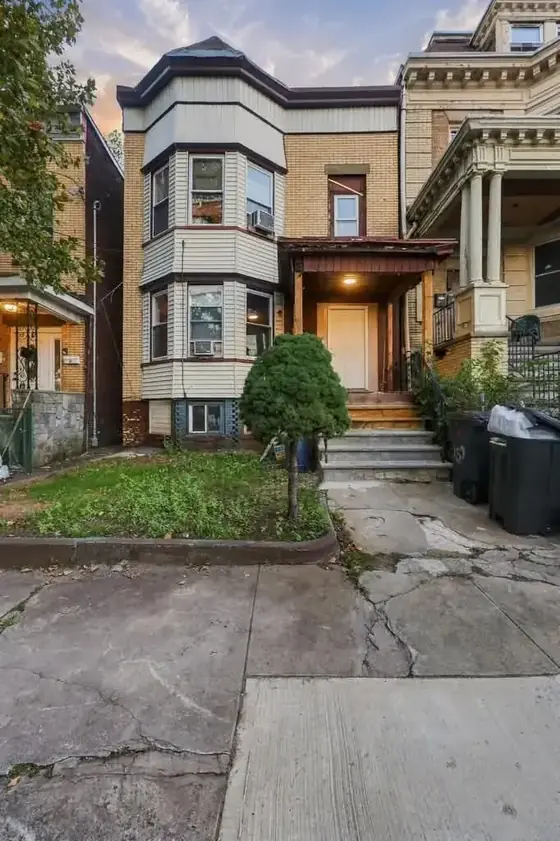
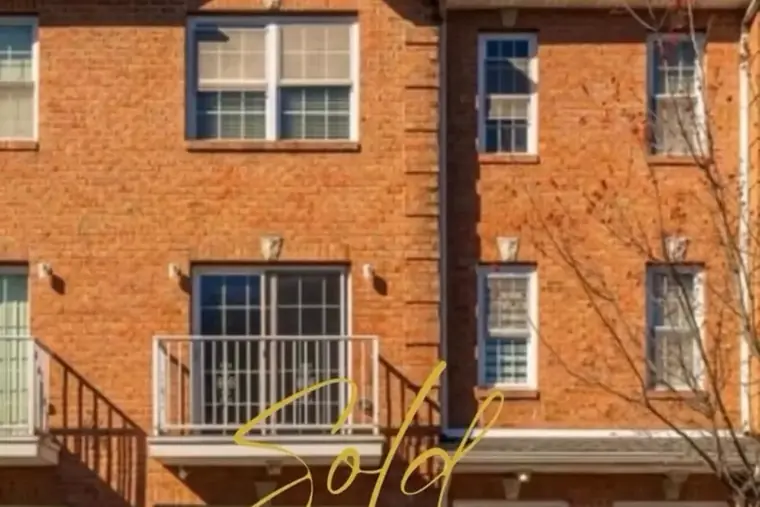
Active and pending homes. Ask about any of them in English or Spanish.

UPDATING
New homes for sale coming soon
We add new properties every week. Leave your WhatsApp or email and be the first to hear about new homes for sale.
New Jersey property types and market values
It may involve a general partner, other investors, financing, and a plan to generate rent and make repairs, as will as long term ownership of the property. Investors should real the offering documents thoroughly and make sure they understand the terms of the return of their investment, fees, voting rights, and risks involve.
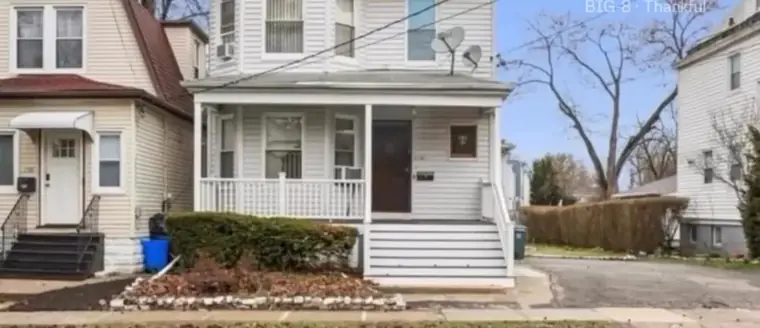
Residential properties that are available for syndication are single family homes, condominiums, townhouses, and small multifamily buildings. The owner of the property can live in one of the units, while they financed the purchase of a property with a two to four unit configuration. This types of investment is often referred to as house hacking, in which the owner can use the income from the other units to pay the mortgage.
County-level figures are useful for investors as they can give you an idea of what the property is going to be worth, but that doesn't means that you need to buy it. These are full area figures and not an appraisal of a particular property.
Hudson has the highest median rent in the group, with Monmouth and Bergen showing the highest median home values. Investors should also look at local vacancy rate, operating expenses, insurance, taxes and zoning. These statistics are not included in the county averages.


Understanding the monthly costs and taxes
New Jersey property taxes are based on the assessed value of the property, as will as the tax rate set by the town. Tax rate differ from town to town, so investors should look up the current bill and tax rate at the town's tax office before making their calculation.
For an educational estimate, a 2.2% annual property-tax rate can be used. If a property has an assessed value of $500,000:
- Annual property tax: $500,000 × 2.2% = $11,000
- Monthly property-tax estimate: $11,000 ÷ 12 = $916.67
This is an orientative annual rate and does not apply to all properties in New Jersey. This is for information purposes only and is not an offer of loan. The correct rate of tax and housing payments for your property must be confirmed by a licensed lender or tax professional.
Other monthly expenses include mortgage principal and interest, homeowners insurance, HOA or condo fees, utilities, maintenance, vacancy and property management. Investors in a syndication will need to agree on how expenses will be shared and whether they will need to set aside money.
Location and transit connectivity in NJ
Location is also a factor in a syndication strategy. Accessibility to work, transportation, highways, and other amenities will affect the demand for rental properties. New Jersey Transit stations are located in Bergen, Hudson, Essex, Union, Middlesex, Morris, Monmouth, Somerset, Passaic, and Ocean counties. Light rail, commuter rail, and bus systems are available. Some properties are not near stations.
Investors should not take it for granted that any property is close to Midtown Manhattan. The distance from the property to Midtown Manhattan and other transit stations should be verified for the give address. Properties that are close to rail stations may not necessarily be convenient for train riders. The availability of parking and the schedule of the trains, as will as other local factors should be taken into considerations.
The straight-line distance between the property and Midtown Manhattan varies based on where the property is. Commute time is not guaranteed. Consider the location in relation to NJ Transit stations, roads, shopping areas, and services. Review zoning and short-term rental restrictions before signing an offering.
Steps to purchase property in New Jersey

01Define the syndication structure
Identity who will own the property, how much capital will be invested, how much each investor will pay, and what happens if an investor wants to get out. An attorney should review the operating agreement and offering documents.
02Get pre-approval
03Sign a written buyer representation agreement
04Search and make an offer
05Complete attorney review and due diligence
06Finish inspections, appraisal, and municipal requirements
07Complete the walkthrough and closing
Special considerations for real estate investors
Homes with two to four units can be financed by the owner who is living in one of the units. The income generated from the other units can be used to pay for the mortgage. The lender will analyze the property, borrower, income, and debt. Investors should compare:
- Net Operating Income (NOI): This is the rental income less all operating expenses.
- Capitalization Rate (cap rate): This is the net operating income divided by the purchase price.
- Cash on Cash Return: This is the annual cash flow divided by the cash investment.
These formulas do not consider all financing and tax implications. Contact a licensed lender and New Jersey tax professional to obtain specific numbers for the investment.
Certificates are also important to consider. New Jersey municipalities require a CO or CCO certificate before sale or rent, and have different requirements for smoke detectors, carbon monoxide detectors, and firm extinguishers. Contact your municipality's building office prior to closing to find out what you need and how much it will costs you.

Legal requirements and fair housing rules
New Jersey's LAD (law against discrimination) prohibits discrimination on the basis of religion, ethnicity, sexual orientation, gender identity or expression, marital status, or lawful source of income. This law applies to housing, including rent and sales. This law applies to property managers and syndicators.
The NJ LAD protects legal sources of income, like Section 8 vouchers. The Fair Chance in Housing Act prevents landlords from asking about criminal history on the application or running a criminal background check before a conditional offer. There is a limit of 1.5 months' rent for a security deposit.
Federal fair housing complaints can be make to the U.S. Department of Housing and Urban Development at 1-800-669-9777. New Jersey complaints can be make to the New Jersey Division on Civil Rights.
The NJ Data Privacy Act affords certain individuals the rights to access, correct, delete and portably transfer their personal data, and the rights to opt out of targeted advertising, sale and profiling. The act allows an appeal after a complaint is filed with the NJ Division of Consumer Affairs. Syndicate operators are also required to obtain written, separately optional consent prior to making automated calls and/or text messages. They must include a STOP option.
For a free consultation via WhatsApp or phone, in English or Spanish, visit njhomego.com.
FAQs and helpful facts about syndicated real estate
How much money can I make from a syndicated real estate investment?
It is not possible to predict specific returns as they depend on the individual property, the operating plan, and market conditions. Investors should use formulas like cap rate (NOI divided by purchase price) or cash-on-cash return to evaluate the potential of a specific offering.
Is it worth it to invest in a syndication?
Whether a syndication is worth it depends on your financial goals, risk tolerance, and the specific terms of the offering documents. You should review the general partner's operating plan, fees, and voting rights before committing capital.
Can I live in one of the units in a multi-family syndication?
Yes, homes with 2–4 units can often be financed while the owner lives in one unit, a strategy known as house hacking. The rental income from the other units can help cover the mortgage, but a lender will evaluate your income and debt separately.
What are the best companies for real estate syndication?
I cannot provide a list of specific companies or endorse any particular syndication firm. You should perform your own due diligence and have an attorney review the offering documents and operating agreements for any investment opportunity.
Everything you need on syndicated real estate
Share what you know about syndicated real estate
We discuss syndicated real estate by phone or WhatsApp and reply the same day. Your first consultation is free, and you can move forward only if you wish.