
FOR SALE
Townhouse House for Sale · New Jersey
Townhouse House for Sale in New Jersey
Townhouse house for sale: information for NJ readers
Townhouse house for sale in New Jersey options range from older homes in established neighborhoods to brand new homes with modern amenities and community amenities.
Free first consultationEnglish & SpanishNo obligation

 Your local agentHey! Need help sorting out townhouse house for sale? Let me know what matters to you.
LocalNJ experts
Homes for sale in New Jersey
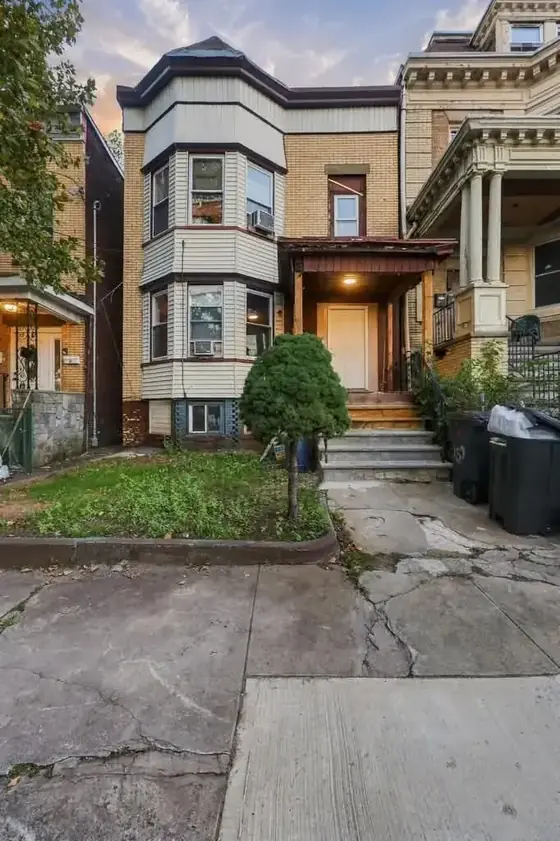
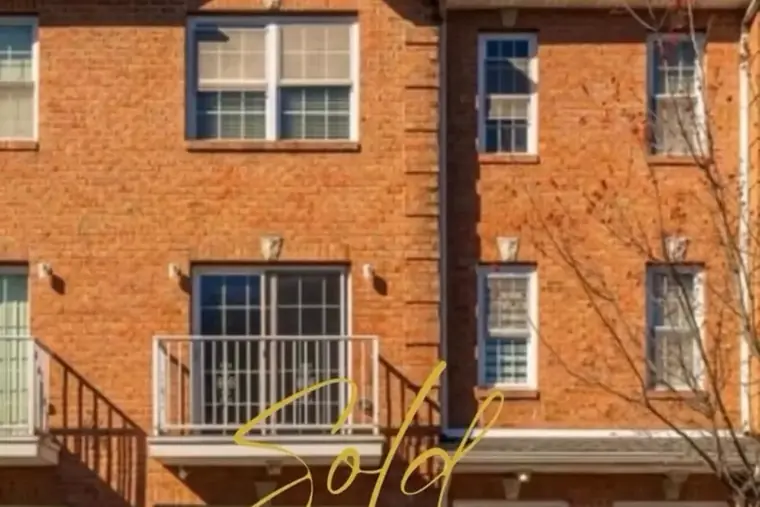
Active and pending homes. Ask about any of them in English or Spanish.

UPDATING
New homes for sale coming soon
We add new properties every week. Leave your WhatsApp or email and be the first to hear about new homes for sale.
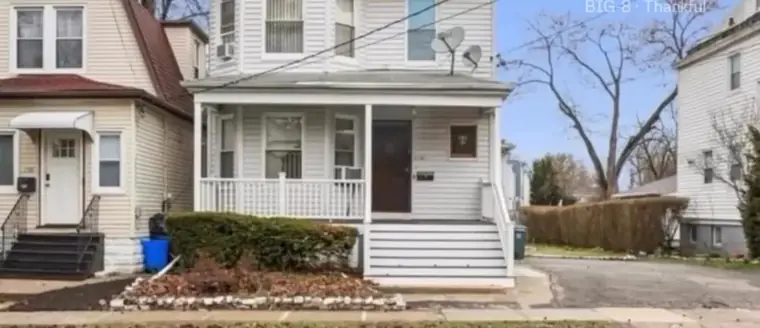
Townhouse market values and rental prices in New Jersey
Find out the current homes for sale in NJ, prices in townhouses, rental prices, costs of ownership, transportation access, and how to buy.
New Jersey is a competitive real estate market, and the value of a townhouse will also be affected by the condition of the house, location, HOA fees, and if it is new construction. The values listed below are based on a starting point at the county level and are not an appraisal or offer price.
Townhouses are also part of the overall New Jersey housing market. The average home value and average home rent in the state can provide a range of prices in your towns.
These Zillow Research ZHVI and ZORI number are for the entire county, not just townhouses. They are not appraisals. They are from the 2025 U.S. Census Bureau QuickFacts, 2020-2024 ACS, and Zillow Research number as referenced in September 2026.
County medians do not represent the real price of the townhouse in your are. You can find out more information on homes in Elizabeth, New Jersey with Homes for Sale in Elizabeth, NJ or homes near your are with Home for Sale Near by Me.
First look at townhouse house for sale
About townhouse house for sale: arrange a free introductory consultation in English or Spanish and continue only if you wish.
Ask on WhatsApp
Estimated property taxes and monthly ownership costs
A useful estimate for planning purposes is 2.2% of the assessed value of a property, per year. It is important to remember that this is the rate of assessment and not a tax quote. Each municipality has a different rate.
The calculation is:
> Assessed value × tax rate ÷ 100
For example, a $400,000 townhouse with a 2.2 rate will have an estimated annual tax bill of:
> $400,000 × 2.2 ÷ 100 = $8,800
That is $733 per month. Additional monthly expenses include the mortgage's principal and interest, homeowners insurance, HOA or condo fees, utilities, maintenance, and special assessments. Ask for the HOA budget and reserve funds information before you make an offer.
For an educational estimate using a 6.5% interest rate, a 30-year mortgage term, $1,600 in annual insurance, and a 2.2% annual property tax estimate, the monthly payment for a $500,000 purchase would be about $3,241, excluding HOA fees. This is an educational estimate, not a loan offer. Confirm current rates, taxes, insurance, and closing costs with the lender and tax professional.
Commuting and transit options across New Jersey
NJ Transit operates rail and bus services that connect many communities in New Jersey to other large cities. Depending on where the townhouse is located, residents may use the rail lines, local bus service, ferries, or some combination thereof.
Newark Broad Street, Hoboken, Jersey Avenue, and Secaucus are the primary transfer points. While these location offer rail service to Midtown Manhattan, the route, number of transfers, and distance from the property will differ. Buyers of townhouses are required to enter the exact property address in the NJ Transit trip planner to confirm rail service during the hours of commute.
Also consider the travel time from your house to the train station, the availability of parking, and the access to major roads. Houses near a train station may have shorter commute time compare to houses that are close to Midtown Manhattan. Commute time should be considered when looking at addresses, not houses in general.

Steps to purchase a townhouse in New Jersey
Required municipal certificates for your purchase
A townhouse may have a certificate of occupancy (CO), certificate of continued occupancy (CCO), smoke detector, and a carbon monoxide detector certificate. A building may also require a certificate of fire extinguisher.
The local building office is the one that determines what certificate you get, as will as how much it will cost. You will need to ask them before you sign the contract so that you can close the deal without an unexpected certificate. You can find New Jersey Building and Code Guideline on the Division of Codes and Standards website.
New home warranty and construction standards
New townhouse construction in New Jersey may be eligible for the New Home Warranty and Builders Registration Act. Builders who meet certain qualifications must register with the New Jersey Department of Community Affairs. New homes may be covered by a warranty for some defects. State law and the program will determine the warranty coverage and length.
The act does not supersede personal inspection. The buyer should still inspect the quality of the construction, warranties, completion dates, homeowners association documents, and the builders contract. Additional information is available at the official New Home Warranty Program page from the NJ Department of Community Affairs.

01Get pre-approved for a mortgage
To decide how much house you can afford, you need to figures out how much you can pay each month for mortgage payment, down payment, closing costs, taxes, insurance, and HOA fees. The New Jersey Housing and Mortgage Finance Agency provide programs for first-time buyers, and these are also programs through participating lenders. Some cities and counties also offer their own programs.
02Choose a representation agreement
03Review the details of a townhouse before making an offer
04Make the offer and sign the contract
05Complete inspection and financial review
06Obtain municipal certificates
07Do a final walkthrough and close the deal
Renting a townhouse in New Jersey
For a rental, begin with an application that includes income, identification, rental history, and any required screening information. A common budgeting guideline is to keep total housing costs at or below 30% of gross household income. HUD describes a household paying more than that share as cost-burdened, so this is a useful screening rule rather than a universal legal limit.
In New Jersey, a landlord of a residential property cannot ask for more than 1.5 months rent as a security deposit. The New Jersey Landlord Tenant Act protects lawful income sources, such as a Section 8 vouchers. The Fair Chance in Housing Act limits the questions that a landlord can ask about the criminal history of potential renters. Review the lease agreement carefully before paying any money or moving into the apartment. Problems should be reported to the landlord in writing.
Ready to tank about your townhouse search or rental? Request a free consultation on WhatsApp or by phone in English or Spanish.

Townhouse house for sale: reader-friendly answers
What does 'townhouse' mean?
A townhouse is a multi-family residential building where units are joined side-by-side, sharing common walls but typically having their own separate entrances and private living spaces. In New Jersey, these can range from older attached homes in established neighborhoods to new construction with modern amenities. You can find specific listings for these types of homes on our Homes for Sale NJ page.
Are townhomes a good purchase?
Whether a townhouse is a good purchase depends on your specific financial goals, lifestyle needs, and the local market conditions of the county you are interested in. For example, the typical home value in Monmouth County is $793,713, while in Ocean County, it is $551,072. You should consult with a licensed professional to determine if a townhouse fits your long-term investment strategy.
What are the different types of townhouses?
Townhouses vary by construction age, including older attached units in established areas and new construction homes that may come with specific warranties. New construction in New Jersey is subject to the New Home Warranty and Builders' Registration Act, which requires builders to register with the NJ Department of Community Affairs. You can find more details on these standards through the official New Home Warranty Program page.
Why are townhouses harder to sell?
Selling a townhouse can be influenced by specific factors like high HOA fees, restrictive association rules, or the condition of the shared structures. To understand the specific rules and costs of a property, you should request the association’s budget, meeting minutes, and reserve information before making an offer. You can also check the Planned Real Estate Development Full Disclosure Act for more information on these requirements.
Updates about townhouse house for sale
Talk with us about townhouse house for sale
Explore townhouse house for sale with a call or WhatsApp conversation. We respond the same day, and the first consultation is free with no obligation attached.