
FOR SALE
Land Auction · New Jersey
Land Auctions in New Jersey
New Jersey guide for understanding land auction
Land auctions in New Jersey are also an opportunity for buyers to acquire residential property, rural land, commercial property and other property that might not be available through a regular listing.
Free first consultationEnglish & SpanishNo obligation

 Your local agentHey! Need help sorting out land auction? Let me know what matters to you.
Same-dayanswers
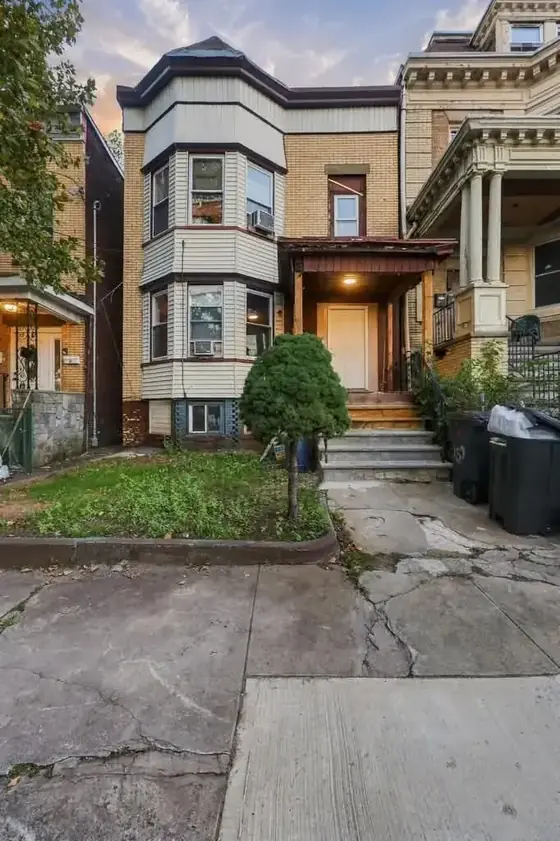
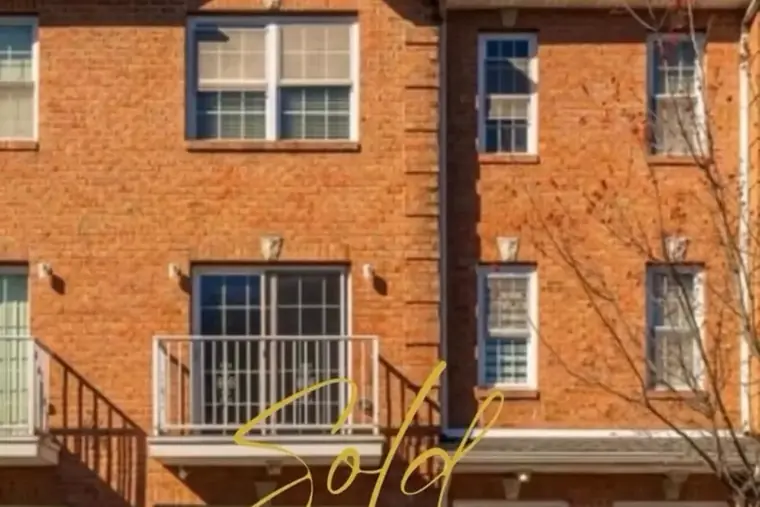
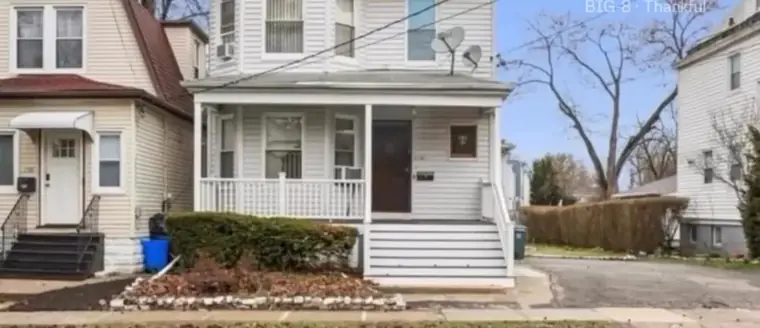
Homes for sale in New Jersey
Active and pending homes. Ask about any of them in English or Spanish.

UPDATING
New homes for sale coming soon
We add new properties every week. Leave your WhatsApp or email and be the first to hear about new homes for sale.
Property values and land types in New Jersey
Usually, the winning bidder pays for the property and is responsible for any title, liens, taxes or conditions that the property may have, unless otherwise specified in the sale agreement.
A land auction is not always a good deal. You may want to build a house on the land. Or, you may want to form the land, store your cars, or wait until you have a change to develop the land. The amount you can afford to bid will depend on the bid price, closing costs, property taxes, insurance, and the work or cleanup that may need to be done on the property.
Residential land can be a single lot in a developed residential area, a larger piece of land in a planned community, or a lot for a house or apartment complex. Land in rural areas can be farmland, woodland, or a mix of the two (acreage). Commercial land can be for offices, retail, industrial, or mixed use.
Land does not have one countywide price because two pieces of land that are right next to each other may have different zoning, frontage, utility access, and development restrictions. Start with the Land for Sale New Jersey page to see what is available. You may also want to check out the Land for Sale in South Jersey page if you are looking in that area of the state.
Residential market statistics are for context, not land value. ZHVI reports median home values in each county, and ZORI reports median observed rent.
These figures are for the entire county, not an appraisal. They are not what your individual lot sold for. Go to your county tax office and ask for the assessed value of the parcel. Then ask about zoning, uses, lot site, utilities, road access and recent sales.
Common questions about land auction
Ask about land auction in either English or Spanish and benefit from a no-cost, no-obligation initial consultation.
Ask on WhatsApp
Sheriff sales and public auction types
A private auction is normally arranged by an auction company or the owner of the property. The auctioneer determine the rules, deposit, buyer premium, viewing period and closing date in the auction terms.
A sheriff sale is a sale of property that has been attached during the legal enforcement process. A sheriff sale is not the sale as buying a home and these might not be a change to go inside the property. The terms for the sale are different.
REO means "real estate owned," and refers to properties owned by a lender or institution. These properties may be sold by means of a listing, auction, or other form of sale. Selling a REO will not clear all liens and title issues.
Public auctions are sometimes offered by local government, courts, tax departments, and other governmental agencies. Find out who is selling the property and if it is from a foreclosure and what process led to the sale.
Before bidding, request a title search and lien review. Determine what will happens to your bid if the property is contested. Ask if you will receive any form of title insurance. Determine if these are any taxes or assessments that still need to be paid. An aesthetically pleasing auction page does not necessarily means a clean title.
Estimated taxes and ownership costs
For an educational estimate, the rate is 2.2% of the property's assessed value each year. This is a planning estimate only. Rates may vary from municipality to municipality. The tax office has the numbers for a particular parcel.
The basic calculation is:
Assessed value Municipal tax rate 100 = Estimated property tax per year
For example, if your land is values at $200,000 and you are using the 2.2% planning rate:
$200,000 × 2.2 ÷ 100 = $4,400 per year, or about $366.67 per month.
Your actual bill may vary depending on the tax rate, exemptions, abatements, assessments, and other charges. Contact the town tax office to find out the current rate and whether you have any unpaid taxes, mowing fees, sewer charges, or other municipal assessments.
Raw land can also result in additional costs, such as fencing, clearing, building road, installing utilities, soil testing, surveying, permits and insurance. Any of these costs will not be recouped if the property is not build as intended.

Key points
Start with pre-approval if you need to borrow money. If you do not have the cash on hand to pay for the purchase of raw land, then you will need to get pre-approved for a loan. A licensed loan officer can help you to determine what a lender would finance for raw land, and what documents are required for a reserve, down payment, or income. You may have fewer options for financing your purchase of raw land than a home. 2. Review the auction notice and terms. Review the following in the auction notice: The deposit amount. Instructions on how to bid. The buyer premium, if any. The timeframe to inspect the land. The deadline to close the sale. Instructions on how to pay. Whether these are any rules governing financing or what happens if the winning bidder is unable to complete the purchase. 3. Select a title company and New Jersey attorney before bidding. Ask the title company to run a title search. Ask the attorney to review any liens against the land and to explain what will happens if the land sale goes to court. 4. Review the parcel. Check the survey for legal boundaries. Check for legal access to a road. Determine the zoning, permitted uses, utilities, flood hazards and whether the municipality will allows you to build on the land. 5. Place an offer or bid at the private auction. You may need to follow the required form for the private auction as instructed by the sale company and pay an earnest deposit. 6. Await the attorney review. Real estate agents use a standard 3-day review period for contracts after the parties involves in the contract have signed. Ask whether this is different for private auction sales. 7. Meet the municipal requirements. Depending on the property and types of sale, the municipality may require that you provide a certificate of smoke and carbon monoxide detector compliance, a certificate of occupancy or a continued certificate of occupancy. Find out the requirements and fees with the building office in your town. 8. Pay the balance and close the sale. Find out when you have to pay the balance. Determine how the deed will be recorded, when you will be able to takes possession and what taxes, permits and assessments will transfer at closing.
Steps to bid and purchase land
Due diligence for auction properties
Start with the title. Your lawyer in New Jersey will want to examine the deed chain, the mortgages, tax liens, judgments, easements, restrictions, etc. etc. Ask the winning bidder what liens they will accept.
Then inspect the site. You should make sure that the land you have bought is not contaminated with soil, debris, old structures, flood zones, unstable ground, wetlands, access issues, or hazardous materials. A standard home inspection may not address these items. If they exist, lead, radon, termites damage, and underground oil tanks are separately inspected. Use a qualified person for site conditions and inspections.
Check municipal records for zoning, building permits, subdivision restrictions, road openings, water and sewer availability, and outstanding assessments. Check to see if the property has legal access, or if it only has access across another property.
Finally, compare the auction price to the condition of the property. You may have to pay right away, but it could takes a lot of work to clean up the property, get the required permits, and build infrastructure. Consult with a lawyer from New Jersey to determine what the title and liens are, how much the environmental exposure is, and what your obligations will be after you sell the property. Also, consult a licensed lending professional or tax professional to determine the answers to these questions.
For a free English or Spanish language consultation on land auctions in New Jersey please contact us via WhatsApp or over the phone.

Top questions about land auction
Can I get a loan for land at a land auction?
You can obtain financing for land, but terms are often more limited than standard home loans. You must speak with a licensed loan officer to determine what reserve funds, down payments, and income documentation they require for a specific auction property.
What happens if I win a land auction bid but can't close the Deal?
The consequences depend entirely on the specific auction terms, which may include the forfeiture of your deposit or other penalties for a winning-bidder default. You must review the auction notice carefully to understand the rules regarding the deposit and closing deadlines.
Does the auction price include the property taxes?
The auction price typically does not include ongoing property taxes, which you must plan for as an additional ownership cost. For a planning estimate, you can use a rate of 2.2% of the property’s assessed value, but you should check with the town tax office for the exact rate.
Will I be able to build a house on the land I win?
Whether you can build depends on the parcel's zoning, permitted uses, and whether the municipality considers the property buildable. You should confirm these details and check for utility availability and road access with the local building office before bidding.
Everything on land auction
Request help with land auction
Questions about land auction can be answered by phone or WhatsApp on the same day. Start with a free consultation and choose whether to proceed.