
FOR SALE
Community Land Trust · New Jersey
Community Land Trusts in New Jersey
Independent information on community land trust
A community land trust (CLT) is a nonprofit organization that owns a piece of land. It lets people buy a home on that land.
Free first consultationEnglish & SpanishNo obligation

 Your local agentHey! Let's find a clear starting point for community land trust. What do you need?
English& Spanish
Homes for sale in New Jersey
Active and pending homes. Ask about any of them in English or Spanish.
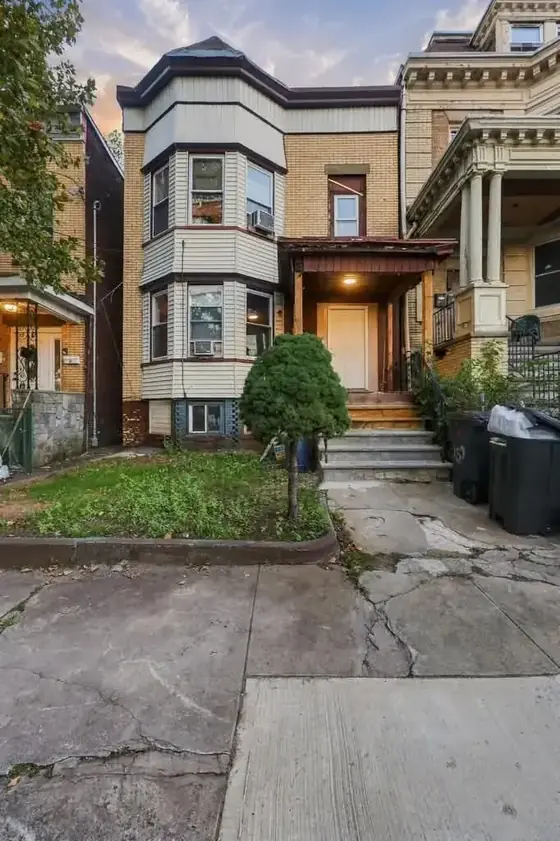

UPDATING
New homes for sale coming soon
We add new properties every week. Leave your WhatsApp or email and be the first to hear about new homes for sale.
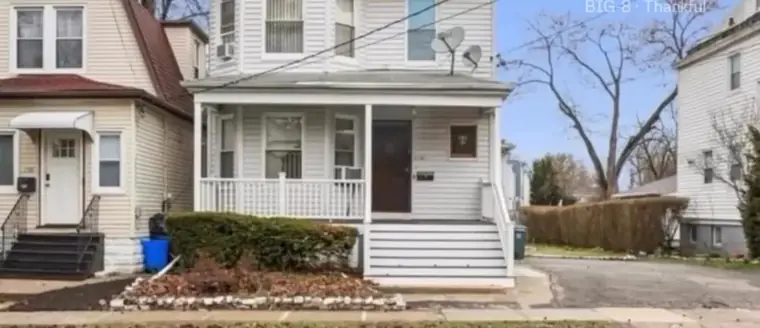
Homeownership options and prices in New Jersey
Homeowners are usually required to have a mortgage, pay rent as part of a ground lease, and sign resale requirements, which mean the next homeowner can afford a home. You might be able to same money compare to buying a home, but be sure to real the terms of your lease, fees, and resale requirements.
CLT availability is limited and varies depending on the organization, community, and property. Contact local CLTs and lenders who participate in the program to find out what properties are available and whether you are eligible. njhomego is not a brokerage firm, licensed agent, lender, or law firm, but we will be happy to connect you to licensed professionals for a free first consultation.
Through a community land trust in New Jersey, eligible buyers purchase the house and sign a lease for the land with the non-profit landowner. This typically means that
The home can be any type of housing, including, but not limited to, a single-family house, townhouse, condominium, or other type of dwelling approved by the land trust. Income requirements, household size, and the percentage of the purchase price that the buyer is required to pay may vary. Not all homes sold by a nonprofit are CLTs.
County-wide figures can help you get a fees for prices and rent in the area but will not provide you with information on CLT prices. The ZHVI tracks the median home value, and the ZORI tracks the median rental rate.
County-wide area figures. Not an appraisal. Not a CLT price list.
Start with the Buy House New Jersey page for general information about buying a house, or contact a local land trust to see if one of their properties is for same. If a nonprofit land trust uses a waiting list or lottery system, that does not guarantee that you will be able to buy the house.
Key points
A mortgage on the physical structure of the home - A ground rent from the land trust - A restrictions on the same, refinance, transfer or use of the property - A resale program to keep the property affordable - Homeowners Association does (if the property is in a condominium or planned development)

Property taxes and monthly housing costs
A CLT buyer may still be liable for property taxes, mortgage interest and principal, homeowners insurance, HOA fees, and ground rent. Some of these costs may be held in escrow. The land trust ground lease outlines how rent will be adjusted and which fees a buyer will be responsible for.
For an educational estimate, the calculator uses a 2.2% annual property-tax rate. That is an orientation figure, not the rate for every New Jersey municipality. Check the town tax office or county tax board for the assessed value, tax rate, and exemptions that apply to the property.
Here is a simple worked example of the orientation rate:
- Assessed value: $400,000
- Tax rate: 2.2%
- Property-tax estimate: $400,000 × 2.2 ÷ 100 = $8,800 per year
- Approximate monthly property-tax share: $8,800 ÷ 12 = $733.33
A $500,000 property tax bill at the same rate would be $11,000 a year, or $916.67 a month. The figures above are just estimates and not your actual property tax bill. Tank with a tax professional about property tax deductions and exemptions in New Jersey and find out if the land trust will do anything about your property tax bill.
Your total housing payment may also include:
- Mortgage principal and interest
- Homeowners insurance
- HOA or condominium fees
- Ground rent under land lease
- Utility and maintenance fees
Commuting and transit across New Jersey
Transit access is a matter of the community, not the county. If you are looking for a CLT, ask the seller or land trust about the closest NJ Transit station, what it is called, which NJ Transit live stop is at it, and if you can park there. NJ TRANSIT routes and schedules are subject to change, so check the most current information directly from NJ TRANSIT.
County-wide, distances to Midtown Manhattan vary. A house which is near a train station in Hudson or Essex county might be close to Midtown than a house in the suburbs or in the south of the county but the distance can vary depending on more than just the distance in the street. You should consider the distance from the station to the house, parking options, the number and length of transfers, and final destination.
Before touring a property, it is helpful to map out your commute to get from the property to where you work. Check the NJ TRANSIT schedule on the actual map. If you are not living near a rail live, it is important to check the actual commute times for driving and taking the bus during the commute times that you commute. The commute can be checked by a brokers, but njhomego cannot guarantee the commute time.
Steps to purchase a community land trust home

01Check program eligibility
Call the land trust to find out if your income is eligible, what requirements the land trust has for the household, what asset you can have, the down payment amount required, and if you will have to want on a list or pay a lottery.
02Get pre-approval
03Review the land lease prior to making an offer
04Sign a written buyer representation agreement prior to visiting homes with an agent
05Make an offer in the correct process
06Complete inspections, appraisal, and mortgage commitment
07Obtain certificates required and close
08Complete the closing and sign the land lease documents
Programs for first-time home buyers
The New Jersey Housing and Mortgage Finance Agency (NJHMFA) offers programs to eligible first-time homebuyers through participating lenders. Cities and counties also offer affordable homebuyer programs. Eligibility, income limits, purchase price limits and required documents are determine by the program administrator. njhomego does not determine eligibility.
A licensed lender can compare the programs financing with other mortgage options. A licensed lender can compare ITIN loans with eligible borrowers. A lender for self-employed buyers may require bank statements or tax forms such as a 1099. Ask your lender what the estimated rate and payment will be, what you'll need to submit, and if it can be combined with any requirements from the land-trust.
The lawyer need to real the land lease and purchase agreement. The lender need to real the home and financing agreement. These are two different documents. You should tank to a tax professional about property tax issues. You should tank to an attorney in New Jersey about legal issues.
For a free consultation on your community land trust home in New Jersey, call us on WhatsApp in English or Spanish.

Common community land trust questions, clear answers
What are the downsides of a community land trust?
The main downsides include restricted resale rights and the requirement to pay ground rent to the land trust. You cannot sell the home for the full market value because the land remains owned by the nonprofit. You should ask a New Jersey attorney to explain the specific resale restrictions and default provisions in the ground lease.
How does a community land trust work?
A community land trust works by separating the ownership of the land from the ownership of the home structure. You own the house and enter into a ground lease with the nonprofit that owns the land. For a general idea of the area's housing market, you can look at the typical home value (ZHVI) or typical observed rent (ZORI) for your specific county.
What is the downside of a land trust?
A land trust limits your ability to refinance or change the property's use without following specific rules set by the nonprofit. These restrictions are designed to keep the home affordable for future buyers. You must have a New Jersey attorney review the land lease before making an offer to understand these limitations.
What are the advantages of living in a community land trust?
The primary advantage is the opportunity to own a home at a lower purchase price than a conventional homeowner. This model helps preserve long-term housing affordability in your community. To see how these prices compare to the broader market, you can check the county-wide figures for typical home values on this page.
Get answers on community land trust
Let us help you start with community land trust
We'll get back to you the same day through a call or WhatsApp about community land trust. Talk with us first at no cost and with no obligation.