
FOR SALE
Land Records · New Jersey
Land Records in New Jersey
Planning with land records in New Jersey
Land records are kept by the county. To obtain a copy of a property's deed, owner, liens, mortgages, and tax records, contact the county clerk or recorder's office in the county where the property is located.
Free first consultationEnglish & SpanishNo obligation

 Your local agentHi! I'm checking a few details about land records. What do you want to know?
7 daysa week
Homes for sale in New Jersey
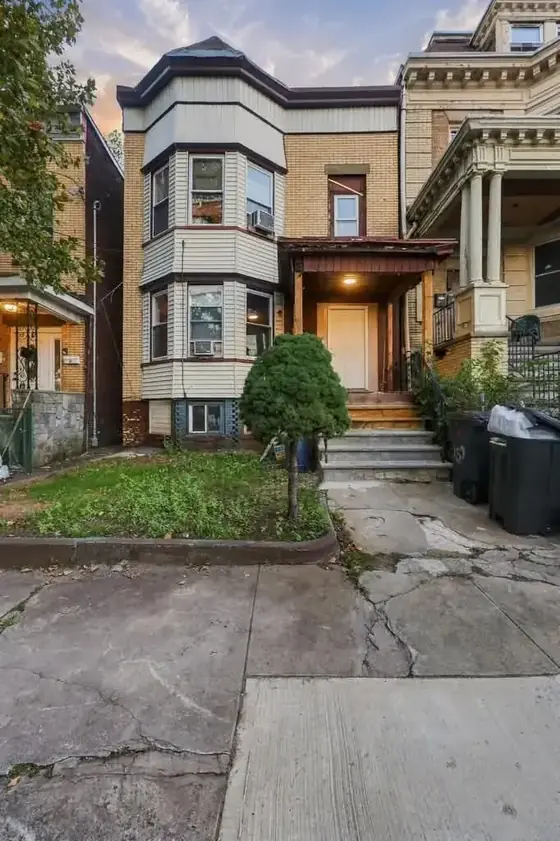
Active and pending homes. Ask about any of them in English or Spanish.

UPDATING
New homes for sale coming soon
We add new properties every week. Leave your WhatsApp or email and be the first to hear about new homes for sale.
Where to find public land records in New Jersey
To purchase land, start by obtaining the property's information from the municipality and county. Then use the property's parcel number or street address to search the official land records.
New Jersey has 21 counties, and each county maintains its own records of property documents. The county clerk (or county recorder in some counties) maintains the official land records. The county tax office (or tax collector) can be helpful in researching property assessments, tax bills, and parcel information.
The fastest way to get started is to find the municipality and county. Contact the county clerk or recorder and ask for information about how to do the search, the hours the office is open, what ID is required, what the fee is to receive documents, and if the search can be done online or by mail.
A typical request should include:
Official copies are the safest way to have proof of ownership or a recorded instrument. In many cases, one can search for property using online county tax records, but its important to know the differences between tax and land records.
If you are not looking for a specific property, please check out our Land for Sale in New Jersey listings first.

The street address
The city and county
The parcel number if you have it
The owners name if you are searching for a particular property
The search time frame

Types of documents in property records
A county land record book is a document that contains deeds, mortgages, liens, and other documents pertaining to a piece of property.
Deeds transfer ownership from one party to another. Deeds contains information about the grantor, the grantee, the property, the price, and the date. Different types of deeds include warranty deeds and quitclaim deeds.
Mortgages and security instruments - the property is use as security for a loan, and the lender has a lien on it. The recording of mortgages is important because they can affect the amount a buyer can borrow or the amount of the proceeds payable at closing.
Liens and judgments A lien or judgment may be placed against the property. A property may be subject to a lien by a contractor or by a tax agency or a court judgment. Some liens are given priority based on the date of recording, while others may be prioritized based on the type of claim and the law that is applicable.
A property file may also contains easements, property tax records, subdivision maps, and court filings. Old deeds are sometimes difficult to read and some older documents may only be available in microfilm or scanned images in county offices.
How to search for property owners and deeds
Start by looking for the parcel identification number or the street address in the county system. The parcel identification number and the street address should both point to the same tax map and the same tax recording reference. If you do not have the parcel identification number or street address, the county clerk will be able to help you find the tax parcel by using the property owners name and address.
When requesting a deed search, the full chain of ownership must be requested at the date you want the information. For example, if a buyer want to know the history of a property, they would want this information at the date the buyer signed the contract with the seller. Another example would be an owner who want to research the sale of their property. The owner may want to look up the conveyance from the previous owner to the current owner.
The county may provide:
Owner names can be tricky. Search using every name that show on the tax bill, deed, and previous title documents. Search for different spelling and suffixes.
Have the property as specific as possible before ordering the documents. If you are trying to compare properties, you can use the Land for Sale Close to Me page to get the addresses lined up before contacting the counties.
Advice and answers on land records
Your first consultation about land records is free in English or Spanish, with no obligation to continue.
Ask on WhatsAppA deed index by grantor, grantee or date
Recorded deed copies
Mortgage and lien search
Tax assessment and ownership data
Maps or parcel identification numbers
Questions about Land records?
The NJHomeGo team answers in English or Spanish. Free first consultation, no obligation.
Ask on WhatsAppVerifying ownership and clear titles
A title search involved a review of the property's history to ensure that ownership and any claims to the title are accurate. It also ensures that deeds recording the transfer of ownership have been recorded and any earlier mortgages have been released.
Public records are important, but they are not the only thing needed to clear up a title issue. A real estate attorney in New Jersey can help you look at deeds and other public records to find out if there are any title issues, and then work out a way to resolve the title issue with the correct party before closing. Its a good idea to ask a New Jersey real estate attorney to review the title company or title search company that handles your real estate transaction.
Pay particular attention to any mortgages that haven't been released, tax liens, contractor liens, easements, boundary disputes and ownership claims that may not be apparent when you do a quick Google search. Your attorney may recommend title insurance that will vary based on the type of property and the lender.
Steps to take when buying land in New Jersey
Our Buy Land New Jersey article will show you how to compare different kinds of land before you buy it.

01Set a budget and obtain pre-approval
You need to work with a licensed lender to get an idea of how much you can borrow, how much you need to put down, how much you will have to pay for closing costs, property taxes and insurance, and what kinds of improvements you can construct on the land. Ensure that the lender is able to finance the type of property and improvements that you with to buy.
02Choose the parcel and check the land records
03Prepare the purchase agreement
04Have a real estate attorney in New Jersey review the contract
05Complete due diligence
06Secure financing and close
Special cases for land and inheritance
Foreclosure properties are sold in a number of ways. Real estate owned (REO) properties are typically owned by the mortgage lender. A sheriff sale is an auction of a property by a sheriff, who is authorize to enforce a court older, typically without an interior inspection. Before bidding on a sheriff sale property, buyers should consider researching the title, liens, occupancy, access, and condition of the property. Short sale requires lender approval and are a more cumbersome process.
For inherited property, the Surrogate of the county issues Letters Testamentary to the executor of the will. In the absence of a will, the Surrogate of the county may issue Letters of Administration to an administrator. The letters empower the executor or administrator to act on the property of the estate, for example, to sell the property, if the estate so allows.
Confirm the documents and authority with the Surrogate and a New Jersey real estate attorney before signing a sale agreement. Free consultation on WhatsApp or phone in English or Spanish. Call njhomego.com
Understanding land records
How do you look up property owners for free?
You can often view ownership information for free by searching the county tax records online. Many counties provide a public portal where you can enter a street address or parcel number to see the owner of record and the assessed value.
Can I see the history of a house's ownership?
Yes, you can request a deed search from the county clerk to see the complete ownership chain. This process allows you to see every transfer of ownership from a prior owner through the present owner.
What happens if I inherit land in New Jersey?
The county Surrogate must issue Letters Testamentary or Letters of Administration to the executor or administrator. These official documents provide the legal authority to sell the property on behalf of the estate.
What should I do if I find a lien on the property records?
You should consult with a New Jersey real estate attorney to determine the priority and impact of the lien. A lien can arise from a contractor, a court judgment, or a tax authority, and a professional can help address these concerns before closing.
Helpful land records resources
Ask who can help with land records
Send your land records inquiry today by call or WhatsApp. We respond the same day, and the first consultation is free with no pressure.