
FOR SALE
Land Stocks · New Jersey
Land Stocks and Farmland Investments in New Jersey
Consider land stocks with local context
Land stocks are publicly traded companies which own land. Buying land in New Jersey is different from buying land stocks.
Free first consultationEnglish & SpanishNo obligation

 Your local agentHi there! Looking for guidance on land stocks? Tell me what you need to know.
Same-dayanswers
Homes for sale in New Jersey
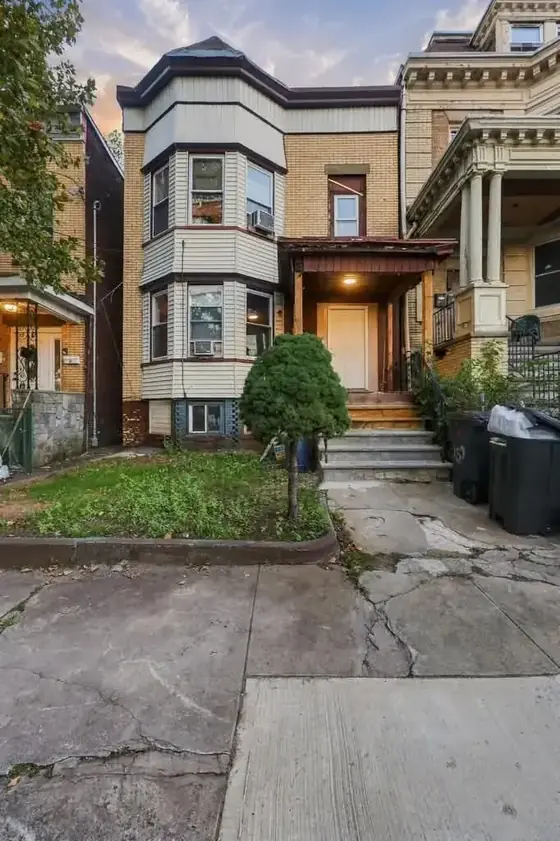
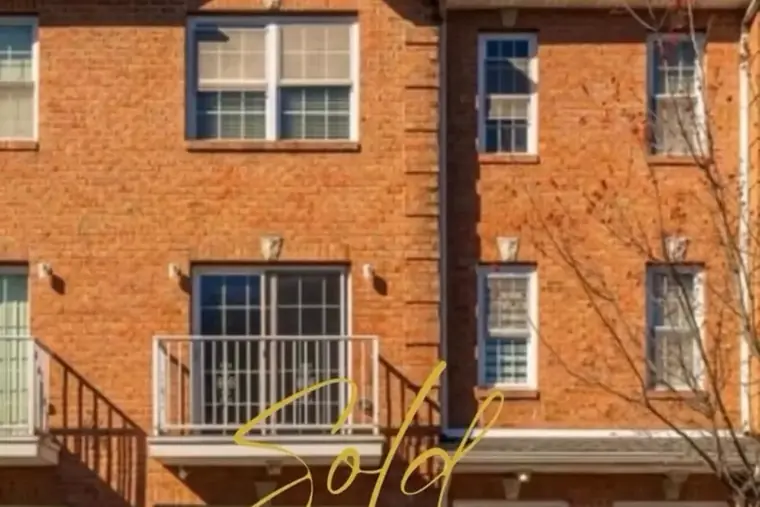
Active and pending homes. Ask about any of them in English or Spanish.

UPDATING
New homes for sale coming soon
We add new properties every week. Leave your WhatsApp or email and be the first to hear about new homes for sale.
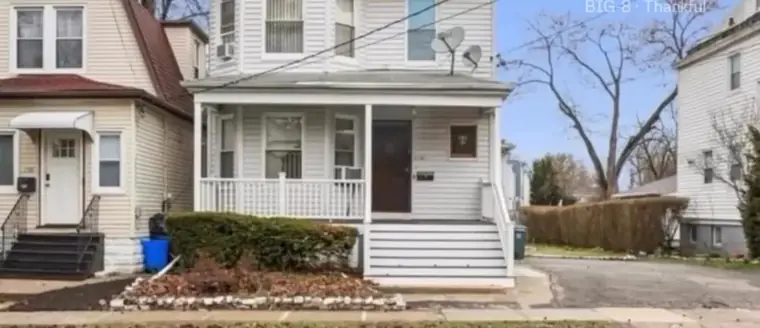
Property values and land investment trends
Buying land in New Jersey usually involves buying a parcel of land, which could be used for farming, development, conservation, rent, or future use. Prior to purchasing a land parcel, it is important to check zoning, title, taxes, access, utilities, and land use lawn in the area before making an offer.
The cost of land is different in different area, and depends on the type of land. Farmland, lots that can be built on, and lots that will require major infrastructure development are not priced the same as improved lots. Land for Sale in New Jersey is a good place to start. For every property, compare what the property will be used for in the future and what the carrying costs will be.
New Jersey land investments are typically broken down into the following:
County-level home priced don't necessarily mean individual land priced. A house on a quarter-acre lot and a quarter-acre of farmland could be very different in value, even through they're located in the same town.
The typical value of homes in each county is an indicator of how different the property market is throughout the state.
These figures are not appraisal. They do not mean that you can self the land for this price. It's much more useful to look at the must recent sales of similar land, the zoning, access, and the cost to develop.
Farmland generally requires more investigation than improved residential property. You should look for information on farmland tax status, the type of agricultural use allowed, any leases, easements, or conservation restrictions. View land for sale in New Jersey by location. Each listing should be treated as a starting point for an investment and not as a final deal.
Explore the basics of land stocks
Readers can ask about land stocks in either language, English or Spanish, and attend a free consultation without obligation.
Ask on WhatsAppFarmland that can be used for crops production, livestock, and agricultural leases
Lots that are available to build new homes
Land that is held for future development
Woodland, wetlands, and potential for conservation
Commercial and industrial land
Land that can be used as rental, farming, and other allowed land use

Taxes and monthly costs for land owners
A simple rules of thumb for property tax for education is 2.2% per annum. This is a rough estimate only. Your property taxes will depend on where you like, as well as the assessed value of your property.
For a worked example, suppose the assessed value of the property is $500,000.
$500,000 × 2.2% = $11,000 estimated annual property tax
Dividing by 12 gives $917 a month for other costs. It is not a loan offer or tax bill.
Raw land can also cost more than an improved house.
- Property taxes
- Water, sewer, electric, and other utility fees
- Road maintenance or road access fees
- Lawn, fence, and tree work
- Surveying, engineering and environmental studies
- Insurance (if the property is not owners-occupied or used for residential purpose)
- Mortgage interest (if the property is purchase with a mortgage)
- Permit and development costs
Ask the tax office in the town what the assessed value and tax record on the property is. Also ask if the property is in a service district, if it is accessible to public road and if it is plumbed in. The price you pay for a property can be very expensive if the development of your property will require you to build a new road, well, septic system, or drainage system.
Navigating the land purchase process in New Jersey
Here is the usual sequence:

01Set your investment goals
Do you plan on farming the land, generating rental income, developing the land, conserving it, or selling it for future profit? This will changes which permits, inspections, and calculations are important.
02Get pre-approval for financing
03Review the parcel before making an offer
04Prepare and sign the offer
05Complete three-day review by attorney
06Complete inspections, appraisal, and municipal requirements
07Finish the walkthrough and close the deal
New Jersey real estate investment options
A related option is to purchase a property with two to four residential units, and have one or more units occupied. This is know as house hacking. Although you may use the rental property income to pay the mortgage, you are still responsible for the entire mortgage amount and property costs.
Compare the property on its investment value, rather than its rent generating power.
Do not assume unit rents reflect the typical rent for units in your county. Make sure to verify rents, vacancy rate, maintenance costs, management costs, and zoning, rental registration, and occupancy requirements.
For eligible homebuyers, New Jersey Housing and Mortgage Finance Agency offers programs with participating lenders. Eligibility and other criteria may differs so please visit the agency's official program page or speak with a licensed loan officer. Lenders specializing in ITIN and self-employed financing may be available to assist with down payment and other documentation requirements.

Net operating income (NOI)
The income generated by rents minus the operating expenses.
Capitalization rate (Cap rate)
NOI divided by the property purchase price.
Cash on cash return
Annual cash flow divided by the cash invested.
Legal requirements for land and property sales
Land has more legal issue than you might think. You need to run a title search, a survey, a zoning analysis, a wetlands search, access rights, easements, and restrictions before closing. A New Jersey real estate attorney can uncover issue with the title, explain the deed, negotiate the contract, and figure out whether you can legally use the property the way you want.
If the land is inherited, the county Surrogate may issue Letters Testamentary to an executor named in the will. If there is no will, the Surrogate may issue Letters of Administration to the administrator. The letters of administration gives the representative the authority to act, including the authority to self the property if the will or law provide for that action.
That process may also affect the timing, the title, and the contract under which the property is being sold. Don't use oral approval from family members or a power of attorney that has not been checked. Engage a New Jersey attorney to review and validate that the appropriate approval and documents for closing are in place.
If a landowner is going through foreclosure, the person should contact an attorney in New Jersey or a HUD approved housing counselor. The owners should ask if they have any debt left and if they have a deficiency. The owners should then consult with a tax professional to see what the consequences will be. No one can promise to stop foreclosure.
Book a free consultation with a licensed real estate agents on WhatsApp or over the phone in English or Spanish to buy land.

Clear answers about land stocks
Should I invest in land stocks or the stock market?
Choosing between land and stocks depends on your specific investment goals, timeline, and risk tolerance. While land involves physical assets like farmland or development lots, stocks represent ownership in companies. For specific financial advice on which asset class fits your portfolio, consult a licensed financial advisor.
How many acres does Gladstone Land own?
We do not provide specific data on the land holdings of private or public companies. You can find this information by searching the company's official investor relations website or their public filings.
How do I know if my land qualifies for farmland tax treatment?
You must verify if the parcel meets specific agricultural activity requirements and local zoning rules. Contact your local town tax office or a New Jersey tax professional to confirm the requirements for farmland tax treatment in your specific municipality.
A closer view on land stocks
Ask about services related to land stocks
Contact our team regarding land stocks using phone or WhatsApp. The same-day reply is free to start, and no commitment is required afterward.