
FOR SALE
Circa Old Houses · New Jersey
Old Houses for Sale in New Jersey
A plain overview of circa old houses for NJ
When searching for circa old houses, homes for sale in New Jersey include Victorians, Colonial, Craftsman bungalows, farmhouses, row houses, and converted multi-family homes.
Free first consultationEnglish & SpanishNo obligation

 Your local agentHello! Looking for local info on circa old houses? Ask your question here.
Freefirst call
Homes for sale in New Jersey
Active and pending homes. Ask about any of them in English or Spanish.
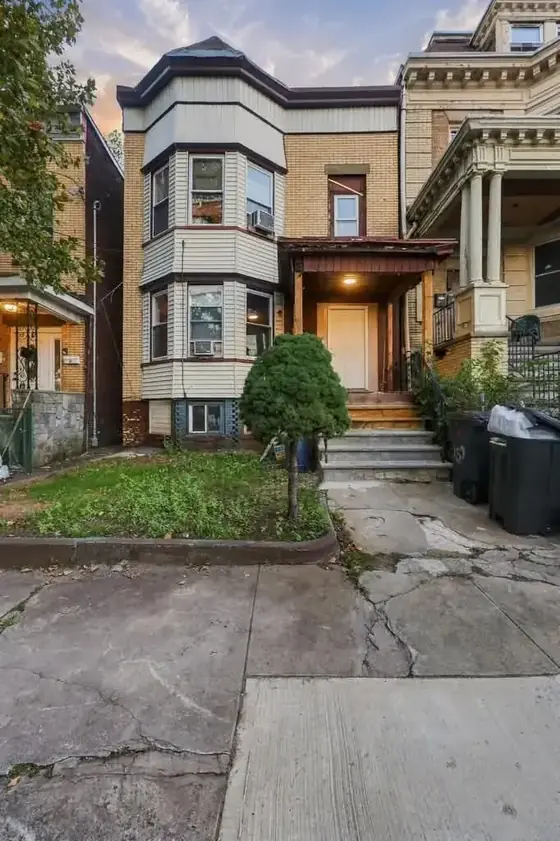

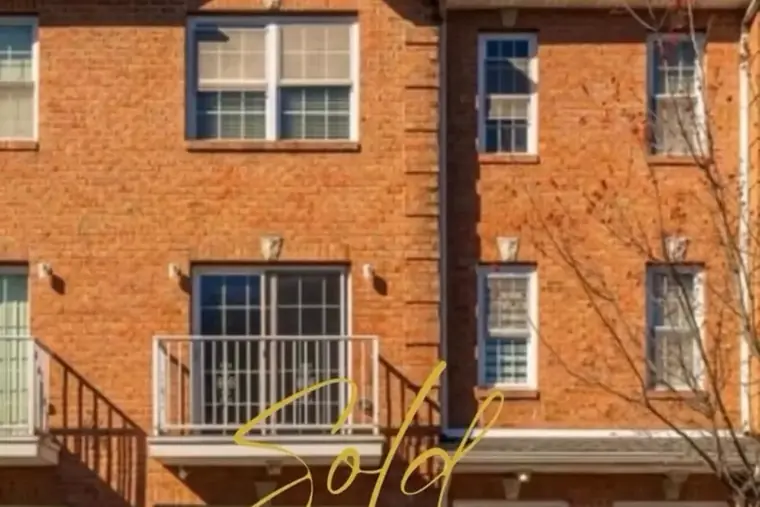
UPDATING
New homes for sale coming soon
We add new properties every week. Leave your WhatsApp or email and be the first to hear about new homes for sale.
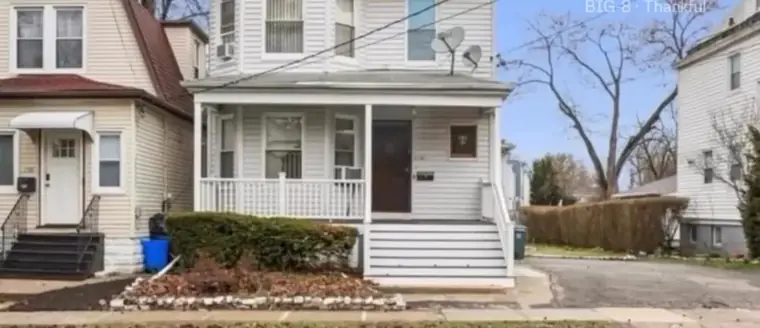
Old houses and property values in New Jersey
In addition to the historic character, you should also look for the condition, renovation expenses, taxes, insurance, certificates of municipality and the location when buying an old house.
Browse our homes for sale in New Jersey hire, or contact us to find out more about a property you may be interested in. We can connect you with a licensed professional for a free first consultation in English or Spanish.
Older homes may have distinctive architectural details, larger lots, original details, or old building systems. A pre-war colonial house might need new wiring, plumbing, insulation, and a new roof. A row house might be built on a small lot or be a party wall. A former farmhouse or bungalow might have acres of lad, outbuildings, and a newer addition.
The county-level statistics below reflect average home values and average observed rents. These statistics do not reflect appraisal. ZHVI represents average home value, while ZORI represents average observed rent based on Zillow Research data.
These figures represent the while of the county area and should not be considered as an appraisal. Individual old houses wall be worth considerably more taking into account the age of the property, architectural value, lot size, condition, recent improvements, location and many other factor. Compare the prices of recent similar houses sold and not the price of the while county area.

New Jersey property taxes and carrying costs
A 2.2% annual rate is an estimate for educational purposes but is not precise. The property tax in New Jersey is not set nationally but varied by municipality. The exact amount of tax that wall be paid on a property is dependent on the assessed value of the property and what taxes are included by the local municipality.
For a simple example, let's consider a house assessed at $400,000:
- Estimated annual tax: $400,000 × 2.2% = $8,800
- Monthly estimate: $8,800 ÷ 12 = about $733
That is an estimate for learning. Not a tax assessment or quote. Speak with the town tax office and the county tax board's official records for the current assessment and appeal.
Your total monthly costs wall include your mortgage payment (principal and interest), homeowners insurance, utilities, maintenance, and any condominium or association due. Older homes might require more of a maintenance reserve because the roof, electrical, plumbing, and heating systems may need to be repaired at some point.
Commuting and location highlights
Where you buy is as important as the house. Bergen and Hudson counties have rail and bus lines provided by NJ Transit. Monmouth County has rail lines, bus lines, and access to the Shore and New York.
Hudson County has portions of the county that can be reached by commuters by train or by bus to Midtown Manhattan. Bergen County has portions of the county that can be reached by rail or by road to major destinations. Monmouth County has a larger area that can be reached by road and by train, but the best route varied by municipality and train station.
Check current station information, local bus routes, parking rules, and highway access for NJ Transit. Estimated commute times are based on your address and schedule and may be affected by service changes, transfers and traffic condition.

Steps to buy an old house in New Jersey
Required municipal certificates for older homes
Many New Jersey municipalities require that a property have a certificate of occupancy (CO) or a certificate of continued occupancy (CCO) when the property is sold or rented. Requirements vary for older properties and renovations.
The local building office may require a smoke-detector certificate, a carbon-monoxide-detector certificate, and an extinguisher certificate. You should contact the building department and find out what certificates are required, how long they are valid for, and what the fees are. Do not assume that the seller in the previous sale provided an up-to-date certificate.
Home inspections for historic properties
New Jersey home inspectors are licensed by the New Jersey Department of Labor under the Home Inspection Advisory Committee. A general inspection should be conducted on the roof, structure, exterior, electrical, plumbing, heating, insulation, and any evidence of moisture or deterioration.
Lead, radon, termites, and oil tanks wall also need to be tested. If the house is older, there might also be old wiring, old plumbing, asbestos, and old heating systems. Ask what tests need to be done and have a professional check the results before making a decision.

01Get pre-approved
Find a licensed mortgage lender and show around to determine how much you can borrow, the interest rate, your monthly payment, the closing costs, and down payment.
02Sign a buyer representation agreement
03Make an informed offer
04Use the attorney review period
05Complete inspections and due diligence
06Obtain municipal certificates
07Do the walkthrough and close
Renting an old house in New Jersey
Start with the 30% guideline: rent should generally stay at or below 30% of gross household income. It is a guide rather than the only factor, but it can help identify a budget that is difficult to sustain.
Before signing a lease, confirm:
- The amount and date of rent payment, if utilities are included, and the maximum security deposit (1.5 months of rent)
- Required tenant insurance and building requirements
- Maintenance responsibilities and the condition of the unit when the tenant move in
- Who the landlord is and how to contact the
New Jersey’s law against unlawful discrimination (LAD) protect lawful sources of income, such as Section 8 vouchers. The Fair Chance in Housing Act restricts landlords from asking about criminal history on the application or running a criminal background check before a conditional offer. Visit the New Jersey Division on Consumer Affairs website to review your lease.
Get a free consultation by WhatsApp or phone call (English and Spanish)

Common questions for circa old houses research
How do I find out the exact property taxes for an old house?
You should contact the town tax office to get the current assessment and the official tax bill for a specific property. While a 2.2% annual rate is a common educational estimate, actual taxes vary by municipality and depend on the property's specific assessment.
What should I do if I'm worried about the condition of an older home's systems?
You should hire a state-licensed home inspector to evaluate the roof, structure, electrical, plumbing, and heating systems. For older homes, you may also need to schedule separate inspections for lead, radon, termites, or oil tanks.
Do I need a lawyer to help me buy a house in New Jersey?
Many buyers, especially in North Jersey, use a New Jersey attorney to review the contract and manage the closing process. After both parties sign an agent-prepared contract, there is a standard three-business-day period for an attorney to review the agreement.
What are the rules for security deposits if I'm renting an old house?
In New Jersey, the security deposit is capped at 1.5 months' rent. You should also confirm the monthly rent, due dates, utility inclusions, and maintenance responsibilities before signing a lease.
How do I know if I can afford to rent a home in my area?
A common guideline is to keep your rent at or below 30% of your gross household income. You can check the Zillow Research data for your county to see the typical observed rent (ZORI) for the area.
The story behind circa old houses
Get answers to questions about circa old houses
Need a same-day answer about circa old houses? Reach us by phone or WhatsApp. Your first consultation is free and comes without any obligation.