
FOR SALE
Townhouse Communities · New Jersey
Townhouse Communities in New Jersey
Learn about townhouse communities through NJ context
Townhouse communities in New Jersey can vary from established two-bedroom townhouses near the train station to larger townhomes developments with shared grounds and parking, and new construction.
Free first consultationEnglish & SpanishNo obligation

 Your local agentHello! What would you like to know about townhouse communities? Message me anytime.
10NJ counties
Homes for sale in New Jersey
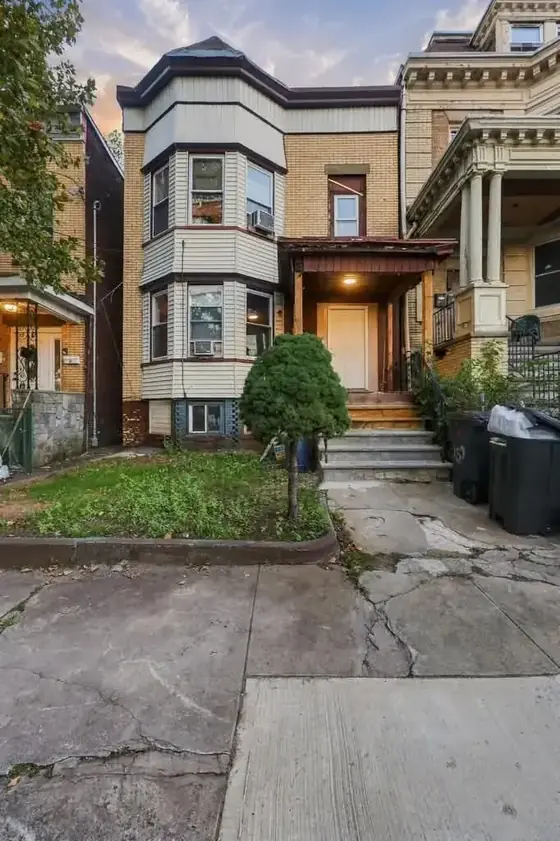
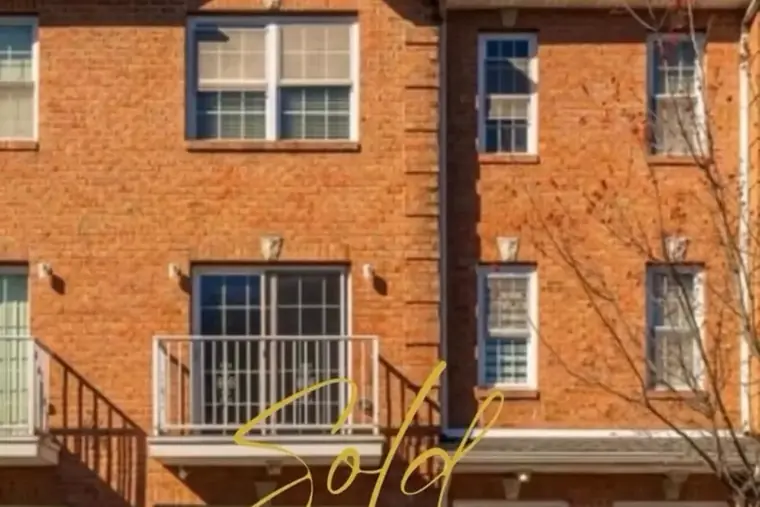
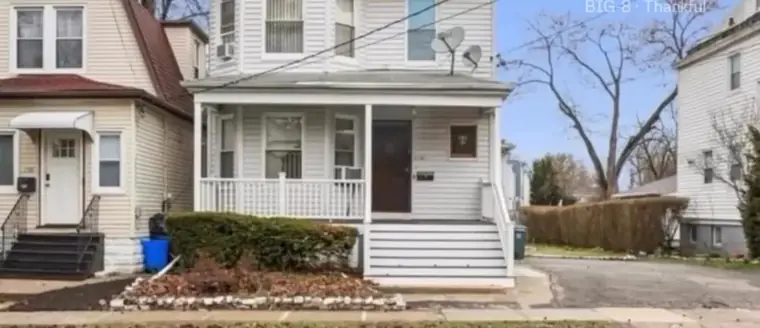
Active and pending homes. Ask about any of them in English or Spanish.

UPDATING
New homes for sale coming soon
We add new properties every week. Leave your WhatsApp or email and be the first to hear about new homes for sale.
Typical townhouse prices and rental costs
Prices and rents can differ greatly depending on the county, so you should first check out the available townhomes for sale in New Jersey or townhouses for rent in New Jersey and compare prices, HOA fees, and location.
A townhouse in New Jersey is an older-style row house, a newer attached or detached home in a planned community, or a townhouse-like apartment that has an HOA (homeowners association). Some communities have private drive ways and backyards while others are more geared towards shared parking, landscaping, and building maintenance.
County-level figures will give you a general idea of the market. These figures include all property in the county, not just townhouses, and they are not estimates for your specific property.
So, Bergen and Monmouth have the highest typical home value, and Ocean has the lowest. Typical rents are highest in Hudson. The price of a townhouse might be higher or lower, depending on its age, size, condition, parking, location in the county, and features of the HOA. This is a countywide average, not an appraisal.
For more listings, go to our page on townhomes for sale in North Jersey, or check out our page for all townhouses for sale in New Jersey.
A closer guide to townhouse communities
You can ask about townhouse communities in English or Spanish, attend a free initial consultation, and remain completely uncommitted.
Ask on WhatsApp
Monthly costs and property taxes in NJ
Set aside more than the cost of your mortgage or rent. Townhouse owners may also be required to pay HOA fees, homeowners insurance, utilities, parking fees, and special assessments. Ask the seller about the current budget for the HOA and meeting minutes. Ask if there are any upcoming special assessments.
An educational property-tax estimate is at 2.2% of the assessed value each year. This is a planning estimate and the rate varies in each municipality.
For example, if your home was assessed at $500,000:
- Annual property tax estimate: $500,000 x 0.022 = $11,000 - Monthly estimate: $11,000 / 12 = about $917
That is an educational estimate, not an offer of a loan. The tax assessment and rate are specific to the property in question, and you should contact your municipal tax office to verify. If your proposed home is $500,000 and your assessment is different, then use that amount for a closer estimate. A licensed loan officer can also verify the taxes and insurance for the property.
Commuting and transit from NJ communities
NJ Transit rail and bus can also be a big deciding factor when it comes to whether a townhouse is right for you. The first thing you need to do is find out if there are any train stations nearby. The next thing you have to do is check that the train or bus you need is actually stopping where you need it. Express train time and bus transfer time are also important.
ZIP codes are helpful but not sufficient. It is easy to have a station in your zip code but have a long walk or drive to your favorite spots. Make sure to check addresses next to the station, and not just the zip code.
Also check the straight-line distance from each property to Midtown Manhattan. This is a straight-line distance, so it does not take into account how long it will take you to get to your destination by driving door-to-door. This will be a round trip, and it will take a lot longer than the straight-line distance, as you will have to contend with traffic, bridges, and transfers. You will also have to get to your destination from the subway, so you will have to take that into account as well. You may also want to take into account the route to work, school, or a doctor's appointment when you drive there.
Steps to buy a townhouse in New Jersey

01Get pre-approved
Contact a licensed loan officer to discuss the down payment, rate, closing costs, and monthly payment. Participating lenders may offer NJHMFA programs for qualified first-time homebuyers and other eligible applicants.
02Sign the buyer representation agreement
03Review New Jersey Relationships
04Make an offer
05Use the attorney review period
06Complete inspections and financial checks
07Finish up the closing process
Requirements for renting a townhouse
Start with the application. A common guideline is that housing costs should not exceed 30% of gross income. The landlord will also review income, employment or lawful income sources, rental history, identification, and references as applicable.
New Jersey’s Fair Chance in Housing Act prohibits landlords from asking about an applicant’s criminal history or conducting criminal background checks before making a conditional offer, and limits review afterward. New Jersey’s Law Against Discrimination prohibits discrimination on the basis of lawful sources of income, including Section 8 vouchers. These protections are applicable before the landlord offers the lease.
Security deposits cannot be more than 1.5 months' rent. The property comes with a written lease agreement and all fees. Ask questions before signing the lease.
- Rent, due dates, late fees
- Security deposit and move-in fees
- Parking, utilities, maintenance
- Pets, repairs, renewal terms
- Municipal certificates

New construction and HOA disclosures
New Jersey’s New Home Warranty and Builders' Registration Act mandates that new home builders must register with the state. Get a copy of your warranty and check what it covers and what it excludes, as well as the process for filing a claim. Coverage for each problem is different and is period by period. Check the warranty documents themselves, not just the sales statement.
Townhouses in planned developments may also be protected by the Planned Real Estate Development Full Disclosure Act. When buying a townhouse in a planned development, it is a good idea to review the offering plan and disclosures, and then request to see a copy of the HOA budget, minutes, reserve information, rules, and assessment schedules. The budget, minutes, and reserve information will give an indication of what your HOA dues will cover and what the community may be charging you in the future.
A licensed attorney from New Jersey can review your contract, HOA documents, and warranty rights for you. You can consult with a New Jersey attorney about your contract, HOA documents, and warranty rights.
The basics of townhouse communities
How do I know what my monthly HOA fees will be in townhouse communities?
You should ask the seller or the HOA board for the current budget, recent meeting minutes, and the reserve fund information. These documents will show what the dues cover and if there are any planned special assessments. You can also request a copy of the offering plan if the townhouse is part of a planned development.
Can I use my ITIN to get a loan for a townhouse?
Yes, specialized lenders offer loans for individuals with an ITIN, though these are outside of standard programs. These loans often have different documentation requirements and interest rates compared to traditional mortgages. You should contact a licensed loan officer to see which lenders offer these services.
What happens if I buy a townhouse that is being sold by the bank?
Properties sold by the bank (REO) or through sheriff sales may not have an interior inspection provided by the seller. You should investigate the title, any existing liens, the current occupancy status, and the physical condition of the home before bidding. It is often wise to consult with a New Jersey attorney during this process.
What specific certificates do I need to get before I can move into my new townhouse?
Many municipalities require a certificate of occupancy (CO) or a continued occupancy certificate (CCO), as well as certificates for smoke and carbon-monoxide detectors. Each town sets its own specific requirements and fees for these documents. You should contact the local town building office to confirm exactly what is needed for your specific property.
A closer sense of townhouse communities
Explore your next step for townhouse communities
Reach out by call or WhatsApp for a response the same day about townhouse communities. Your first consultation is free, and you remain under no obligation.