

FOR SALE
Coop Apartments for Sale · New Jersey
Coop Apartments for Sale in New Jersey
Coop apartments for sale in New Jersey are usually less expensive than a single-family home. However, the cost of owning a coop apartment will not only be the principal, interest, and insurance on a mortgage.
Free first consultationEnglish & SpanishNo obligation
Homes for sale in New Jersey
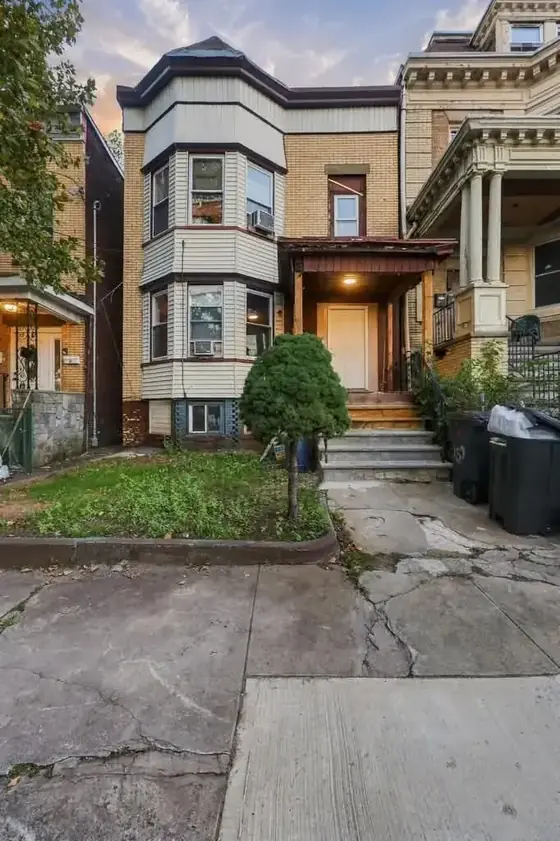
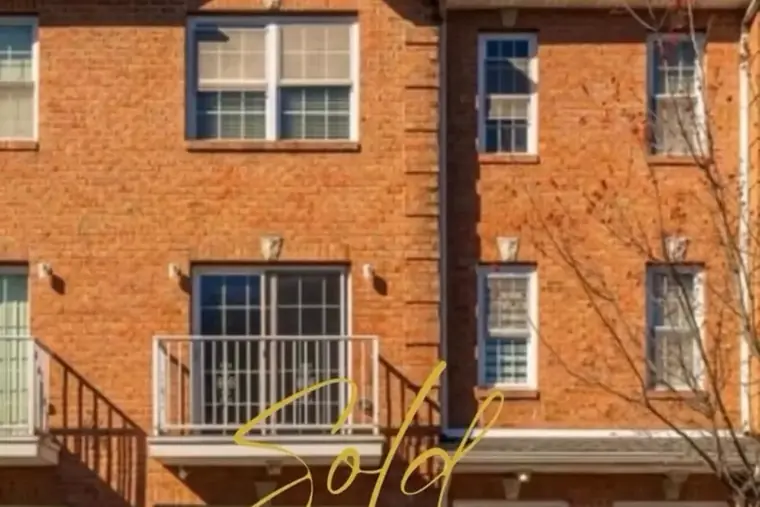
Active and pending homes. Ask about any of them in English or Spanish.

UPDATING
New homes for sale coming soon
We add new properties every week. Leave your WhatsApp or email and be the first to hear about new homes for sale.
Coop apartment prices and types in New Jersey
The property tax, the maintenance fee, and a share of the building's debt and any special assessments will also have to be paid. Usually, the co-op apartment owner does not own the apartment. They buy shares in a corporation that owns the building.
Co-op rules may also affect how you finance, self, and renovate your home, as will as how you budget for your monthly expenses. You should start by researching the condos in New Jersey and examining the building's financial and documentation history before making an offer.
New Jersey co-ops can vary greatly. Some co-ops are just a one-room apartment in an old elevator building. Other co-ops have one, two or more bedrooms, updated kitchens, a private patio, parking, and a doorman. The cost of a co-op may vary depending on the monthly maintenance fee. Compare the monthly maintenance fee and the listing price, and not just the listing price.
County-level housing statistics can also help you get a fees for the housing market. County-level statistics are aggregated across all co-ops, not individual co-ops, and are not an appraisal.
ZHVI is the "typical" home value, and ZORI is the "typical" observed rent. Neither of these tells you the actual price or rent, through. You'll have to ask for the monthly carrying cost - the maintenance fee - and what the fee covers, and if it includes heat, water, taxes, or building debt service, etc.

Questions about Coop apartments for sale?
The NJHomeGo team answers in English or Spanish. Free first consultation, no obligation.
Ask on WhatsApp
Monthly costs and property taxes for coops
A New Jersey co-op buyer pays property taxes and monthly maintenance fees. The co-op corporation may also have to pay property taxes. Contact your managing agent to learn what types of arrangement is in place and how the charge is calculated.
An educational planning estimate has a property tax rate of 2.2% per year. Here is a simple example.
- Assessed value: $400,000 - Estimate annual taxes: $400,000 x 2.2% = $8,800 - Estimate for that month: $8,800 / 12 = $733.33
This is an educational estimate only, and is not an offer to extend you a loan. The interest rate varies from town to town, and the tax bill is based on the assessment of your property. The exact interest rate and assessment can be verified with the town's tax office.
Your total monthly cost may include:
- Mortgage principal and interest
- Property taxes, or the monthly payment thereof
- Maintenance fees
- Utility payment not included in the building's utility bill
- Mandatory owner's charges or special assessments
- Homeowner's insurance (if required)
Commuting and location highlights
New Jersey co-ops are located near train stations, bus routes, highways, and other local services. Co-ops in Bergen, Essex, Hudson, and Union counties might be located near NJ Transit stations, but the station may not be useful depending on the building. NJ Transit has an online website with current routes and schedules, including weekend schedules and information on access to the station.
Straight-line distance is useful for comparing the distance between different locations. It does not accurately depict the trip. A location may be several miles away from Midtown Manhattan, but only a few blocks from a station providing direct service. Availability of local public transport and parking, as will as the ability to cross bridge and tunnel may be more important than the straight-line distance.
ZIP codes vary widely within these counties. Some co-ops may be near a station while others may not be so close, requiring a walk, bus ride or drive to the nearest rail station. Check the building address, closest entrance and parking rules.
Steps to buy a coop apartment in New Jersey

01Get pre-approved
Contact a licensed mortgage lender to learn whether you qualify for the co-op loan program. You may need to submit more documentation and follow different underwriting rules when applying for co-op financing.
02Sign the buyer representation agreement
03Review the building before offering
04Make an offer
05Use the attorney review period
06Complete the inspections and approvals
07Do the last walk-through and close
Coop board requirements and disclosures
New Jersey’s Planned Real Estate Development Full Disclosure Act requires disclosure of information on condominium and cooperative. Be sure to ask about the offering plan and current financial before the offer expires.
The board may require:
- A completed application and financial disclosure
- Approval of purchase or sale
- Security deposit or other fee
- Restrictions on subletting and renting
- Approval of renovations or structural modifications
- Compliance with building rules regarding pets, parking, noise, and common areas
Ask for the current operating budget, minutes, the last reserve study, and the documentation that the reserves are being properly funded. Review any rules about renovations that could apply, even if they seem minor. If you have any legal questions about the contract, rights, and disclosures, find a lawyer in New Jersey to consult with.

NJ programs for first-time coop buyers
The New Jersey Housing and Mortgage Finance Agency (NJHMFA) offers programs for first time home buyers and income qualified buyers through participating lenders. Some town and counties also offer programs. Please contact the program administrator or lender to confirm the programs are current, income and purchase limits and property requirements. Programs and requirements may change and may not apply to all co-ops.
ITIN loans are another option available for borrowers who meet the eligibility requirements. These loans can also be offered by specialized lenders who are not part of the standard loan program. Eligibility requirements can vary widely, including down payment requirements, interest rate, and documentation requirements. These loans are often more difficult to qualify for. Self-employed buyers may be able to qualify with programs that are based on the borrowers' bank statements or 1099 income, depending on the lender's policy.
To sort your listings by location, please give us a call on WhatsApp or call us on the phone in English or Spanish to start your free first consultation.
Frequently asked questions
How do I know if I can get a loan for a co-op?
You must contact a licensed mortgage lender to confirm if their loan programs work for a specific co-op, as co-ops often have different underwriting rules. Co-op financing may require additional documentation compared to standard home loans. For self-employed buyers, ask the lender if they offer options based on bank statements or 1099s.
What happens during the attorney review period?
In New Jersey, there is a three-business-day attorney review period after both parties sign a contract prepared by agents. This is a standard window for legal review of the contract terms. Many buyers in North Jersey choose to use an attorney throughout the entire process until closing.
What kind of inspections do I need for a co-op?
You will need a home inspection, an appraisal, a mortgage commitment, and municipal certificates such as smoke and carbon monoxide detector certificates. Requirements and fees for these certificates vary by municipality. You should contact the local town construction office to confirm specific requirements.
What are the rules for renovating my co-op unit?
You must review the building's bylaws and offering plan to see what rules exist for renovations before making any changes. The co-op board typically requires approval for structural changes or specific types of work. Review these documents carefully before making an offer to ensure your planned projects are permitted.
Can I rent out my co-op apartment?
Whether you can rent out your unit depends on the specific co-op's bylaws and the board's approval. Some buildings have strict limits on subletting or require specific permissions for rentals. You should ask the managing agent for the current rules regarding subletting and rentals before purchasing.
More about Coop Apartments for Sale
Tell us what you are looking for
We reply the same day by call or WhatsApp. Your first consultation is free, with no obligation. Need a price for your home? Ask for a free home value report.