
FOR SALE
Condo House · New Jersey
Condo House Options in New Jersey
The local facts behind condo house
A condo house in New Jersey is either a one-bedroom condo in a good building, or a big condo in a planned development.
Free first consultationEnglish & SpanishNo obligation

 Your local agentHello! Send over anything you'd like to know about condo house, and I'll reply.
English& Spanish
Homes for sale in New Jersey
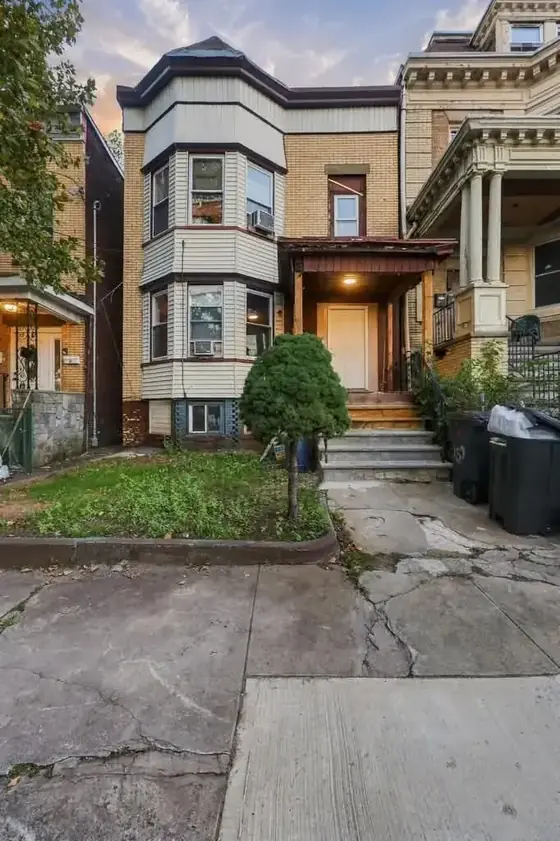
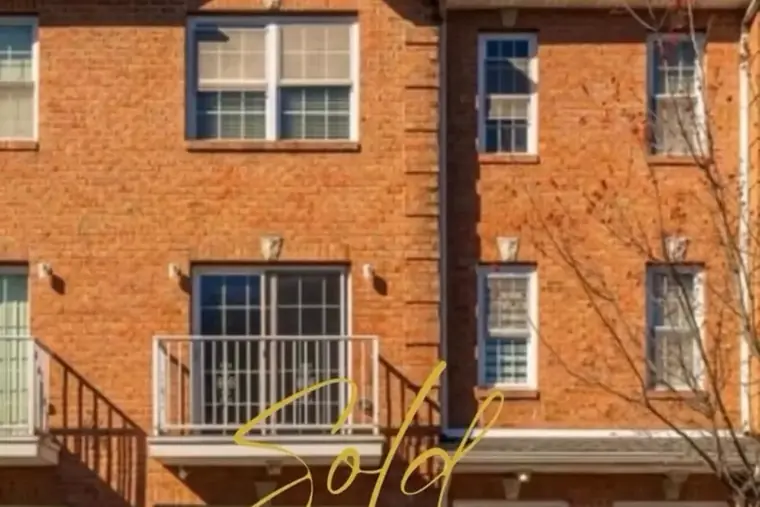
Active and pending homes. Ask about any of them in English or Spanish.

UPDATING
New homes for sale coming soon
We add new properties every week. Leave your WhatsApp or email and be the first to hear about new homes for sale.
Condo house prices and market trends in New Jersey
The prices and rents range a lot, depending on the county, the building, the responsibility of maintenance and the access to transportation. To find out which one is the best condo house, you have to focus on the monthly price, rather than the price per square foot.
Browse our selection of condos for sale, North Jersey condos, and condos near me. Ready to get started? We can connect you with licensed professionals for a free consultation in either English or Spanish.
A “condo house” can refer to a condominium unit, a townhouse unit within a condominium, or a house that is legally subdivided into multiple units. A “condo” may also refer to a converted house. The unit may be owned by an individual, or the property may shared walls or buildings, and who maintains the property.
Current county-level numbers can be found hire:
Bergen and Monmouth have the highest median home values at $786,765 and $793,713 respectively. Hudson has the highest median rent at $3,056 per month. All these numbers are for the while counties. The numbers are not for condos specifically, and the are not for sale prices or appraisals.
The annual increases in the average value of all homes was the greatest in Bergen County, at 6.9%, and second in Monmouth, at 6.5%. The average increases in rents was the highest in Monmouth County, at 4.0%. The individual condo rents may vary a great deal more or less from the county average due to the size, condition, floor level, parking, views, and building cost. Search our Jersey City Condos or New Jersey homes for sale for condo listings by building.
Talk to someone who knows New Jersey
Free first consultation
English and Spanish
Answers the same day
Ask on WhatsApp
Monthly costs and property taxes for NJ condos
Your monthly payment may also include the mortgage, property taxes, condo association fee, building insurance, utilities, parking, and charges for common facilities. You should ask if water, heat, electricity or other services are included in the association fee.
A useful rules of thumb for property tax in New Jersey is that the property tax is about 2.2% of the assessed value per year. The tax varies between municipalities, so it is advisable to check with the municipality tax office to find out the current rate.
For example, if the value of a condo is $500,000,
$500,000 × 2.2 ÷ 100 = $11,000 per year $11,000 ÷ 12 = $916.67 per month
That is just an estimate. If you uses a different rate, the use the estimate from the lender. The cost of condo fees can vary and may include building insurance, utility bill, common area maintenance, reserves, and exterior repairs.
Before making an offer, request:
- The association fee that is currently bring charges, and what it is uses for - Proposed fee increases or special assessments - Association insurance and reserve funds - Parking, storage, pet fees, amenity fees, etc. that are charges separately.
Commuting and location details for NJ residents
Transit access may be more important than distance to a buyer. The location of NJ Transit station, train and bus route, parking, and whether a condo is car-accessible. Condos near a transit station may be more expensive to maintains due to building rules and limited parking.
Distance to Midtown varies by county and location. Hudson County has the shortest commute, while some residents in Bergen, Monmouth, and other counties will have to use a train, bus, or car to get to Midtown. There is no commute time for a county. Double-check the station, route, transfer, and actual destination before signing a lease or purchase contract.
Also compare multiple zip codes. Check your daily commute, highway, services in the area, and if the building is flexible with work arrangements.

Key points
Get pre-approved. Locate a licensed mortgage lender and discuss rate, term, down payment, estimated closing costs, and reserves. The New Jersey Housing and Mortgage Finance Agency offers programs for eligible first-time home buyers through participating lenders. 2. Sign a written buyer representation agreement. The NAR 2024 agreement permits the agreement to be negotiable, with the compensation bring paid by the buyer, offered by the seller as a concession, or split between both parties. Be sure to read the agreement before touring the property. 3. Choose the condo and make an offer. Compare the condo unit price to recent comparable sales, association finances, taxes, and future capital needs. The agent will prepared the contract, which must be sent to the buyers attorney for review. 4. Make use of the three-day review period. One both parties have signed and receive the contract from the agent, the buyer has three business days to review the contract with an attorney. New Jersey home buyers, particularly these in the North Jersey area, are likely to hire an attorney to represent the at the time of closing. 5. Have inspections and underwriting conducted. Hire a state-licensed home inspector. The buyer will have the options to have separate tests for radon, lead, termite, or other tests. The lender will order the appraisal, and the mortgage commitment will be issue. 6. Check any municipal requirements. Depending on the municipality, you may need to install a smoke detector, carbon monoxide detector, extinguisher, or occupancy certificates. Your local municipality's building office will let you know if there are any other requirements. 7. Final walkthrough and closing. Before signing the closing documents, check the condition of the condo unit. Make sure you have the insurance, certified funds, and identification as needed.
Steps to buy a condo in New Jersey
New Jersey law prevent a lender from accepting payment for the referral of a closing services under RESPA.
Understanding condo association rules and fees
New Jersey’s Planned Real Estate Development Full Disclosure Act helps buyers in condominium communities. Buyers should ask the association for its acts, bylaws, rules, public offering statement, budget, reserve study, and meeting minutes.
Check what the association holds, who make decisions about repairs, how the association funds reserves and special assessments, restrictions on rental, pets, parking, renovations, exterior modifications, and how to resolve disputes.
If major repairs, such as a new roof, elevator, or water system, are needed, find out how much is saved and how much each owner owe. A New Jersey lawyer can review the contract and condominium documents before you sign on.
Renting a condo house in New Jersey
Start with an affordable monthly cost. A common budgeting guideline is to spend no more than 30% of gross income on rent, even though landlords may use different screening standards. If gross monthly income is $4,000, that guideline equals $1,200.
The usual steps are:
- Apply to the landlord or property manager with all of the landlords required documents, such as your income and identification documents. 2. Read through your lease agreement. The lease should include information about rent, due dates, utilities, parking, pets, options to renew the lease, and move in requirements. 3. Pay the security deposit. Get receipts and any disclosures from the property manager. In New Jersey, the security deposit can be up to 1.5 time your monthly rent. 4. Inspect the unit, and document any pre-existing damage before you move in. 5. Sign the lease agreement and get your keys.
The New Jersey Law Against Discrimination forbids discrimination based on a person's lawful income, which includes Section 8 vouchers. The Fair Chance in Housing Act limits the questions that landlords can ask about a person's criminal history. These laws do not prohibit landlords from doing lawful background checks that include a person's identity, income, or rental history.
For help finding condos, comparing prices, or finding the best options in your area, please request a free consultation on WhatsApp in either English or Spanish.

Condo house: answers to common questions
What are the extra costs I should expect besides the mortgage?
You should budget for property taxes, condo association fees, building insurance, and utilities like water or heat. For a baseline, New Jersey property tax is often estimated at 2.2% of the assessed value annually, but you must confirm the specific rate with the town tax office.
Do I need a lawyer to buy a condo in New Jersey?
Many buyers, particularly in North Jersey, hire an attorney to handle the process through closing. New Jersey typically requires a three-business-day attorney review period after both parties sign an agent-prepared contract.
What happens if I want to move into a multi-unit property as an investment?
You can use a strategy called house hacking, where you live in one unit of a 2–4 unit property and use the rent from the other units to help pay the mortgage. You can use formulas like cap rate (NOI / price) or cash-on-cash return to help evaluate the investment.
Are there any rules about what landlords can ask me during a rental application?
The Fair Chance in Housing Act limits what a landlord can ask regarding your criminal history. Additionally, the New Jersey Law Against Discrimination protects your lawful sources of income, such as Section 8 vouchers.
Understand condo house options
Connect with local help for condo house
Send a message or place a call concerning condo house. A same-day reply is included, and the first consultation is free with no commitment required.