

FOR SALE
Non Warrantable Condo · New Jersey
Non-Warrantable Condos in New Jersey
A non-warrantable condo is a condo that does not meet the requirements that Fannie Mae, Freddie Mac, FHA, and VA have.
Free first consultationEnglish & SpanishNo obligation
Homes for sale in New Jersey
Active and pending homes. Ask about any of them in English or Spanish.
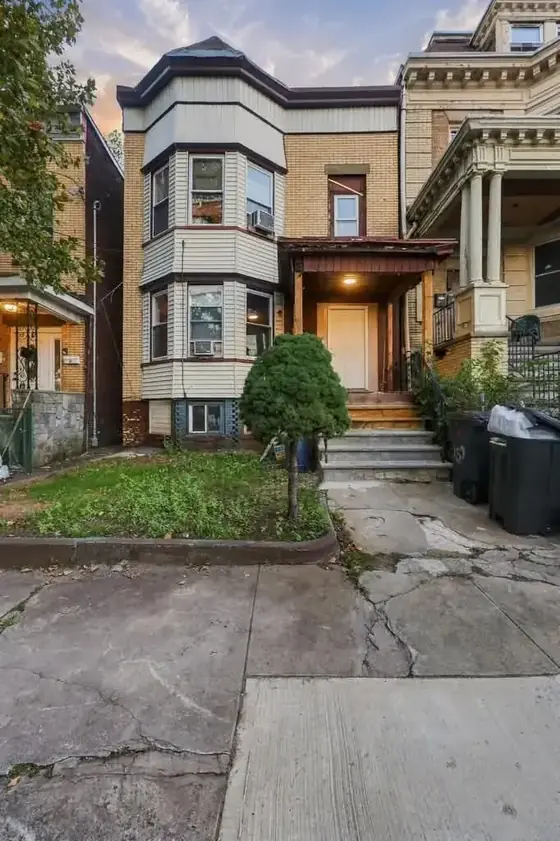

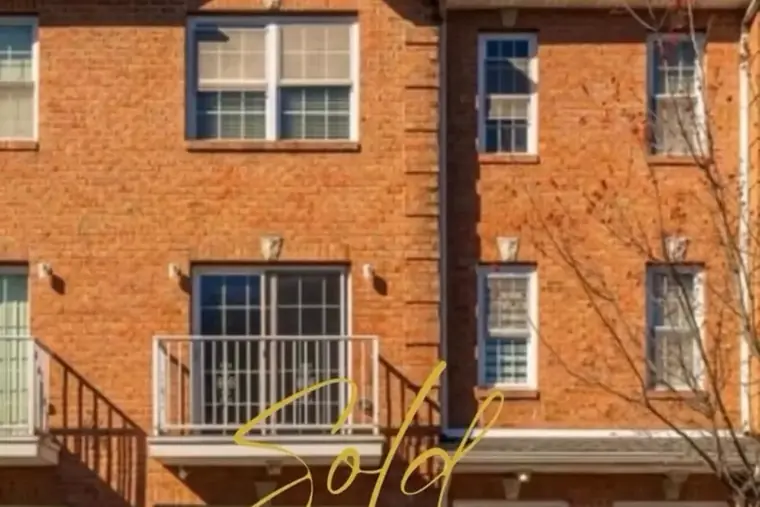
UPDATING
New homes for sale coming soon
We add new properties every week. Leave your WhatsApp or email and be the first to hear about new homes for sale.
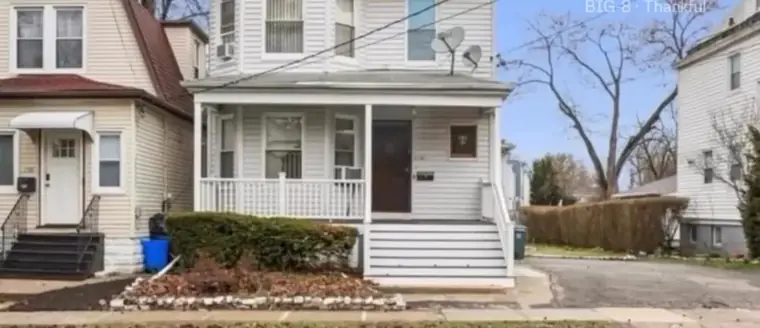
Condo types and market prices in New Jersey
These requirements mean that these types of condos are not eligible for financing from most traditional mortgage loans, so potential buyers would have to consider the lenders offering non-warrantable condo loans. This is not a bad idea, as long as the buyer is aware of the terms of the loan and the financial stability of the association.
Non-warrantable condos can be older buildings, converted rental properties, new buildings with incomplete phases, or developments where too many units are rented out. This is normally referring to the building or development, not the unit.
Typical home prices and rents vary from county to county in New Jersey:
Complete area, not an appraisal.
If you're in the market for a home, check out our condos for sale in North Jersey or condos for sale near me pages to see what's currently available for sale.

Monthly costs and property taxes
The mortgage payment isn't the only thing you pay on a monthly basis. You should also factor in the HOA fees, property taxes, utilities, and special assessments if your association charge them.
For a vary rough calculation, you can use 2.2% of the property value as the property tax. This is not always accurate, as the property tax rate will vary by town, so check with the town tax office to verify the actual rate.
Here's a worked example. Consider a condo with an assessed value of $400,000:
$400,000 × 2.2% = $8,800 per year
Divide by 12, and you'd be paying around $733 per month in property taxes. This is just an estimate for the costs of education and not an offer for a loan. You'll actually pay more based on your property assessment and the property tax rate.
Then figure your carrying costs. On a $400,000 purchase with a 20% down payment, a 30-year loan at 6.5% gives a principal and interest payment of about $2,528 per month. Add $733 for taxes, $133 for homeowners insurance based on a $1,600 annual estimate, and the monthly HOA fee. The HOA fee can change, so ask for the current amount and the payment history.
What makes a condo non-warrantable
A non-warrantable unit does not meet the eligibility requirements for Fannie Mae, Freddie Mac, FHA, and VA loans. These are many reasons why a unit might be classified as a non-warrantable unit. They include:
These conditions may also apply if the building itself looks good. The lender is looking at the project, not the apartment.
Talk to someone who knows New Jersey
Free first consultation
English and Spanish
Answers the same day
Ask on WhatsAppA significant portion of the property is rented
The project is not yet finished
The project is in the process of transitioning or converting from a rental project to a for-sale project
Insufficient reserves or other financial issues
Unresolved legal or other regulatory issues
Talk to someone who knows New Jersey
Free first consultation
English and Spanish
Answers the same day
Ask on WhatsAppFinancing options for non-warrantable units
Specialized lenders offer loans that cannot be finance through standard programs, i.e., non-warrantable loans. Non-warrantable loans usually require higher down payments, higher interest rates, shorter terms, or interest-only payments that eventually revert to a fully amortizing payment.
Buyers using an Individual Taxpayer Identification Number or ITIN can turn to non-government lenders. The down payment, interest rate, and documentation requirements will vary, but they are generally more rigorous than these for government-backed loans.
Self-employed buyers may be able to use a bank statements or a 1099 if their bank is willing to provide it. You will have to submit some sort of proof of your income.
Ask every lender for a Loan Estimate, which includes the monthly amount, property taxes, and HOA fees, as will as whether the interest rate is fixed or adjustable. Obtain a pre-approval from a lender that has experience working with non-warrantable properties before you offer to buy the home.
Steps to buy a condo in New Jersey
- Get pre-approval - fine a lender who understand non-warrantable condos. 2. Sign the buyer agreement - since 2024, the National Association of Realtors (NAR) required buyers to sign a written representation agreement before the buyer and agent go home shopping. The agent may negotiate their commission. They can get it from the buyer, a seller concession, or split it. 3. Review documents - review the offering plan, HOA bylaws, budget, minutes, and reserve study. Ask the association for the current budget, minutes, and reserve study. 4. Make an offer - include financing and inspection requirements. 5. Attorney review - contracts prepared by agents have a 3 day attorney review after both parties sign and receive the contract. Many buyers in North Jersey hire an attorney until closing. 6. Order inspection and appraisal - New Jersey home inspectors are licensed by the state. Buyers must order separate inspections for lead, radon, termite, and oil tank. They may also be required to order a municipal certificates for smoke and carbon monoxide detectors. 7. Walk through and close - review final numbers and sign closing documents.

Important condo rules and disclosures
New Jersey's Planned Real Estate Development Full Disclosure Act allows buyers to be informed on the association's governing documents, financial statements, and other required disclosures. Read them. The HOA can set the dues and rules, so it is important to know what you can and can't do.
Ask for:
Check the town office for occupancy certificates and inspection fees.
Talk with a New Jersey Real Estate attorney and licensed loan officer before you sign! Need to know if your building is non-warrantable? Get a free consultation on WhatsApp in English or Spanish.
The budget that has been approved
Minutes from the last board meeting
Results of the reserve study and amount of money saved
Assessments, projects, or legal proceedings that are currently in progress
Delinquency and pending contract sales
Frequently asked questions
Can I still get a mortgage for a non-warrantable condo?
Yes, you can obtain a mortgage through specialized lenders who offer non-warrantable loan products. These loans are designed for projects that do not meet the standard underwriting guidelines of Fannie Mae, Freddie Mac, FHA, or VA. You should ask the lender for a Loan Estimate that includes the total monthly payment, including taxes and HOA fees.
Will I have to put down a bigger down payment?
Specialized lenders often require larger down payments, higher interest rates, or shorter loan terms for non-warrantable units. Because these loans are outside standard government-backed programs, requirements vary significantly by lender. You should get pre-approved by a lender who specifically has experience with non-warrantable properties before making an offer.
Does a non-warrantable status mean the building is falling apart?
Not necessarily, as the label usually refers to the building's financial or legal status rather than the physical condition of an individual unit. Common reasons for this status include a high concentration of renters, unfinished construction phases, or inadequate association reserves. You should review the association's budget, meeting minutes, and reserve studies to understand the building's financial health.
What happens if I am self-employed and want to buy one of these?
Self-employed buyers may have options to qualify using bank statements or 1099 forms, depending on the specific lender's policy. You will need to provide consistent documentation that demonstrates your income to the lender. It is important to speak with a licensed loan officer to see which documentation they require for non-warrantable loans.
More about Non Warrantable Condo

Tell us what you are looking for
We reply the same day by call or WhatsApp. Your first consultation is free, with no obligation. Need a price for your home? Ask for a free home value report.