
FOR SALE
Farm Houses · New Jersey
Farmhouses for Sale in New Jersey
A closer read on farm houses
Farm houses for sale in New Jersey are the type of property that you will think of when you think about buying land, charm, and a real yard.
Free first consultationEnglish & SpanishNo obligation

 Your local agentHi there! I've got details about farm houses. What would you like covered?
7 daysa week
Homes for sale in New Jersey
Active and pending homes. Ask about any of them in English or Spanish.
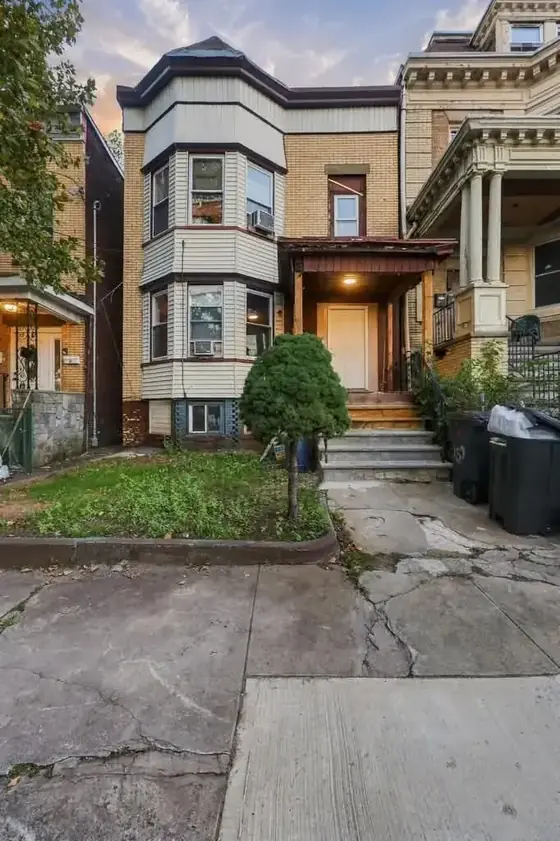
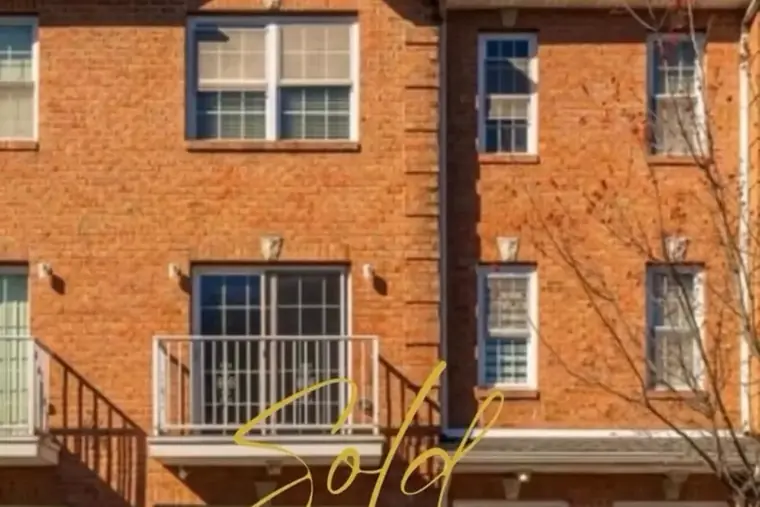
UPDATING
New homes for sale coming soon
We add new properties every week. Leave your WhatsApp or email and be the first to hear about new homes for sale.
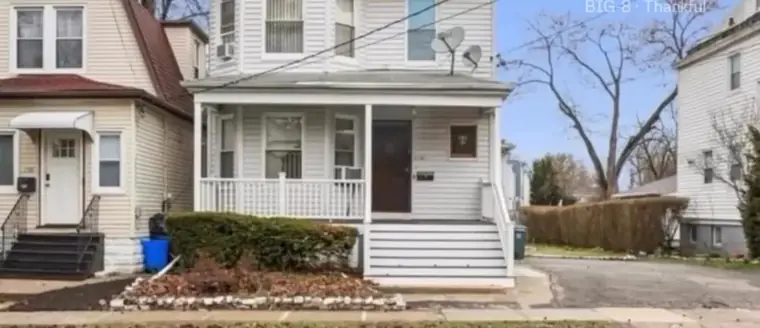
Farmhouse home values and rental prices
There are older farmhouses with barns and outbuildings, new ones with open floor plans and big porches. Most are found in South Jersey and Central Jersey, where there's more land for sale. Converted farmhouses are also sometimes found in places like Ridgewood, Chatham, and Montclair. This guide covers what farm houses for sale in New Jersey cost, their monthly numbers, and how to buy one.
Most farmhouses are built on land. They consist of a main house, a barn, a garage, and some land that might be anywhere from a few acres to hundreds of acres. Older farmhouses might have been built in the 1800s and have thick walls, small rooms, and have been renovated over time. Newer farmhouses are the same style of board and batten, black framed windows, and a large porch. However, they are newer and have higher energy bills.
By county, ZHVI is the average home value and ZORI is average observed rent (i.e. the price level for the area.) These are average for a whole area, not an appraisal.
Monmouth and Bergen Counties are the highest value, with the Monmouth County value highest for rent, and the value increasing 4.0% over the part year. The average value for a farmhouse is higher than the average value of the county as the land is included in the value. Purchase the average value of the county for a farmhouse, however you can expect the price to be either higher or lower, depending on the size of the home (for instance, if you are buying a farmhouse, you may want to budget higher, whereas if you are buying a smaller house on a town lot, you may want to budget less).


New Jersey taxes and monthly expenses
New Jersey's general tax rate on property is 2.2% per annum of the property's assessed value. It is only a general guideline. Every municipality in New Jersey has its own property tax rate. You can find the tax rate for your property address at your towns tax office.
A simple example of this is a farm house that is values at $600,000.
$600,000 × 2.2 ÷ 100 = $13,200 a year, or about $1,100 a month.
On a $700,000 assessed value, the property tax bill is $15,400 annually, or $1,283 monthly. The owners are responsible for insurance and utility bills, and sometimes a septic well or septic system maintenance bill. If the farmhouse has an old roofs and/or oil heating and/or private well, the insurance and maintenance bills will be high, so you will want to set aside some extra money in cases repairs need to be make, not just to pay the tax bill.
Where New Jersey is and how to commute
Commuting is where things start to differ between a farmhouse and a tract suburban house. New Jersey Transit trains go to area of Monmouth, Middlesex, Union, Essex and Bergen counties. A farmhouse near a train station is still a good commute. Otherwise, its likely a drive. A farmhouse on a rural road with 3-5 acres of land is likely to take a couple of real minutes in a car. Check the drive time from the farm to your job, not just the straight-line distance.
Straight-line distance from Midtown Manhattan to your location:
Just confirm the line and schedule with NJ Transit and find out what the parking and drop off rules are at your station. Check out our homes for sale in New Jersey and buy house in New Jersey guide.
Important questions on farm houses
Any questions about farm houses can be discussed in English or Spanish during a free introductory session with no commitment.
Ask on WhatsAppHudson, Essex, and Union counties: 10 to 15 miles
Bergen, Passaic, Middlesex, and Morris counties: 20 to 30 miles
Monmouth, Somerset, and Ocean counties: 30 to 45 miles
Key points
Get pre-approved. Talk to a licensed lender about the down payment, rate and monthly payment. If you're a first-time buyer with qualifying income, you can get programs through the NJ Housing and Mortgage Finance Agency. Participating lenders offer the programs. Some towns and counties also offer programs. 2. Sign a buyer representation agreement. Since 2024, buyers have to sign a written agreement before a real estate agent introduces them to a house. The compensation is negotiable. It can be paid for by the buyer, the seller or split between them. 3. Make an offer. The agent prepares a contract. Once the buyer and seller agree to the terms, it is subject to a 3-day business day attorney review period. Most North Jersey buyers have an attorney at their closing. You may want one here. Older house and land should have an attorney at your closing. 4. Inspect. Have a state licensed home inspector perform an inspections. Lead, radon, termite and septic inspections are separate. For a farmhouse with an old septic system or private well, order these early. 5. Municipal certificates. Most towns require a certificate of occupancy or continued occupancy (CO/CCO) and smoke and carbon monoxide detector certificates before the house closes. Each town has its own rules and fees. Check with the towns building office. 6. Appraise and commit. The lender orders an appraisal and a commitment to fund. 7. Final walkthrough and closing. Bring the CO/CCO and detector certificates to your closing.
Steps to buy a farmhouse in New Jersey
Required municipal certificates
The certificate of occupancy (CO) and continued occupancy (CLO) certifies that the house is code compliant and can be legally occupied. A smoke and carbon monoxide detector certificate verifies that required alarms are in place and working correctly. Etc. certificates may be required for extinguisher. Requirements and fees are different town to town so check with the building office as soon as possible in your contract period to avoid a missing certificate causing a delay in closing.
New construction and warranty rules
If your farmhouse is new, not a renovation, the builder of the property must be registered with the New Jersey Department of Community Affairs. Your house must be protected under the New Home Warranty under the New Home Warranty and Builder Registration Act (N.J.S.A. 46:3B). The New Home Warranty is designed to protect the purchase from the defects of the structure and major systems of the house. The length of time that a New Home Warranty lasts differ for each builder and each house plan. The builder should provides the written documentation of the warranty. Be sure to real what the warranty really covers before you rely on it.
Have questions about a specific farmhouse? Send us a message on WhatsApp or call us. We speak English or Spanish, and the first consultation is fee of charge.

Your FAQ guide to farm houses
How much is the security deposit for a farm houses rental?
The security deposit for a rental property in New Jersey is capped at 1.5 months of rent. You should check the specific lease agreement to confirm the exact amount required by the landlord.
Can I use my ITIN to get a loan for a farmhouse?
Yes, specialized lenders offer ITIN loans for home purchases, though they are separate from standard programs and may have stricter documentation requirements. You should contact a licensed loan officer to see which lenders offer these specific terms.
What happens if I inherit a farmhouse in New Jersey?
The county Surrogate must issue Letters Testamentary or Letters of Administration to the executor, which provides the legal authority to sell the property. You should consult with a New Jersey attorney to handle the specific legal requirements of the inheritance.
Are there programs to help me buy my first farm houses?
The NJ Housing and Mortgage Finance Agency (NJHMFA) offers programs for first-time buyers with eligible incomes through participating lenders. Additionally, some specific towns and counties may have their own local programs, so you should check with your local housing authority.
What should I do if I'm at risk of foreclosure on my farmhouse?
You should speak with a New Jersey attorney and a HUD-approved housing counselor to discuss your options and any remaining debt. Be aware that it is illegal for anyone to charge you an upfront fee to stop a foreclosure.
A closer read on farm houses
Tell us what matters for farm houses
Our phone and WhatsApp lines are open for farm houses. We respond the same day, and your free first consultation carries no obligation to continue.