
FOR SALE
Houses with Barns for Sale · New Jersey
Houses with Barns for Sale in New Jersey
Read about houses with barns for sale with local context
Houses with barns for sale in New Jersey may be working farm, house farm, historic farmhouses, or houses with detached barns for storage, workshops, or events.
Free first consultationEnglish & SpanishNo obligation

 Your local agentHi! Looking for a home in New Jersey? I'll get back to you today.
ITINbuyers welcome
Homes for sale in New Jersey
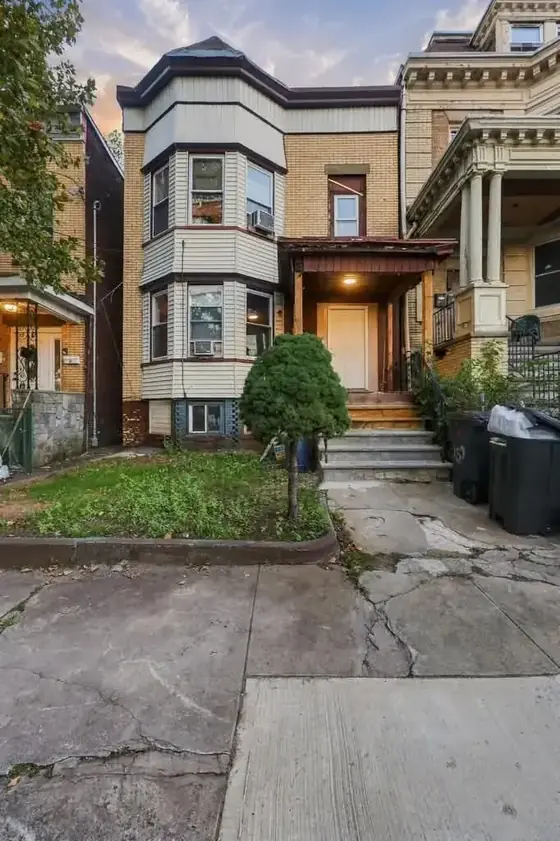
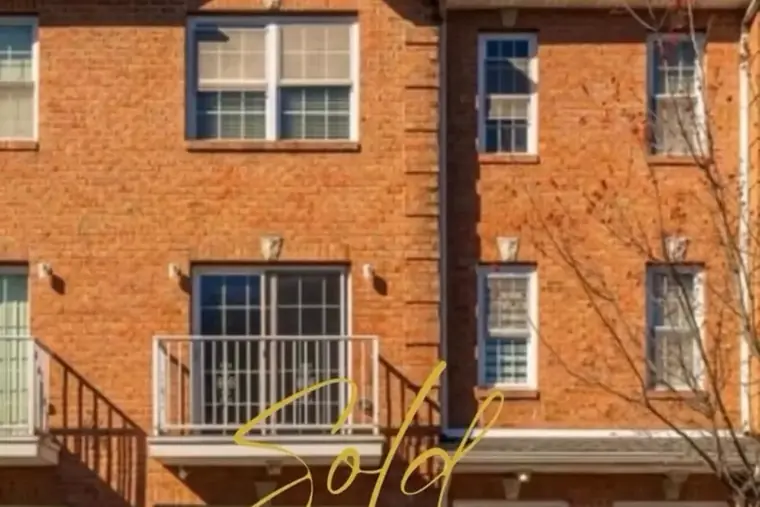
Active and pending homes. Ask about any of them in English or Spanish.

UPDATING
New homes for sale coming soon
We add new properties every week. Leave your WhatsApp or email and be the first to hear about new homes for sale.
Home values for properties with barns
The type of house that will best sit you depends on the characteristics of the land, condition of the barn, zoning laws, utilities, and whether the property will be used primarily for residential, agricultural, or mixed-use purposes.
Browse our list of current Homes for Sale NJ and go see the house and town before you make an offer. A real estate agent, inspector, lawyer, or lender can help you with any details that aren't visible in the photos and listings.
New Jersey borders Hudson County and New York City on the east and the New Jersey shore on the south, while the northwest, west, and central portion of the state include farm and forested areas. Barns are see on farm and in forested areas.
County-level figures can give us an idea of the market, but this is not a valuation for a barn property. Land, buildings, acreage, zoning, and access are all important factors.
These figures represent the total area and not an appraisal. When appraising a farmhouse and a barn, both the farmhouse, the barn, acres of land, and permitted agricultural use should be separately assessed.
Barn properties may have additional costs or requirements that a typical home doesn't have. Check if the barn has electricity, well water, heating, drainage, floor space, and whether vehicles and equipment can access the property. If the barn can be used as a home, workshop, rental, or event space, you'll need to contact your city to see if the property is zone.
Useful facts about houses with barns for sale
The NJHomeGo team answers in English or Spanish. Free first consultation, no obligation.
Ask on WhatsApp
New Jersey taxes and monthly expenses
A useful planning estimate is 2.2% of the property's assessed value per year. This is an educational estimate, it is not a tax bill nor a loan. The actual tax rate varies by municipality.
For a simple example, let a property be assessed for $600,000.
$600,000 × 2.2% = $13,200 estimated annual property tax; $13,200 / 12 = $1,100 estimated monthly property tax
That does not include mortgage interest, homeowners insurance, utilities, maintenance, or any other insurance you may need in your flood zone. Your lender can give you a better estimate of what your payment will be based on the property and financing. If you have an odd farm property, you may want to ask your tax professional or municipal tax office how your property is assessed.
Location and regional accessibility
Accessibility depends on the farm. Some farm are located near small towns with NJ Transit stations, stores and roads. Other farm are in rural areas and the only way to get to the town to get errands done, school and major roads are by car.
There is no "default" commute for all location in New Jersey's farm. There is a bus or train to some counties, but the distance between a barn and the station could be a few miles. You can find NJ Transit route maps and transportation in the municipality.
Northern counties, such as Bergen, Morris, Passaic, and Sussex, have major roads, regional rail, and bus connections to the New York metropolitan area. Other counties may have different types of transportation options such as roads, rail and transit.
If Midtown Manhattan is part of your travel plan, do not assume a general commute time. Calculate the distance to your nearest park and ride, station, or bus stop and then add the full time it taxes to get there. There are many factors that can affect your travel time, such as the distance to your destination, rural roads, school buses, seasonal weather, and no service after dark.
Steps to buy a farm property in NJ

01Get pre-approvals for the entire amount you need
Tell the lender about your home, barn, acres, and intended agricultural or business use. ITIN borrowers or self-employed buyers may require different documents.
02Use a written buyer agreement when touring with an agent
03Make the offer with property terms clear
04Allow for attorney review
05Order the right inspections
06Confirm requirements with your municipality
07Do the final walkthrough and closing
Special considerations for agricultural buildings
An older barn may require closer examination than a newer outbuilding. Look for roof structure, foundation, moisture, rot, pests, electrical service, ventilation, lighting, fire separation, and the doors and floors to make sure that the building will support the intended use. A licensed home inspector may suggest you have a specialist examine the building or system.
A barn that appears to be in great shape from the road may need some maintenance. Make sure you have maintenance records, building permits, surveys, title and easements information. You'll also need to make sure the well and septic are adequate for the building and use.
The municipal building office should determine if the barn can be used, rented out, altered, or used for another purpose. It may require a certificate of occupancy or a certificate of continued occupancy (depending on the building and local regulations). Other requirements may include fire, zoning, environmental, and agricultural regulations.
Before you make an offer on a home, it is recommended that you consult a New Jersey lawyer regarding the purchase contract, and a licensed loan officer regarding financing and property taxes. You can request a free consultation with the njhomego team by texting us or calling in English or Spanish, and we will connect you with a licensed professional for the property.

Houses with barns for sale FAQ
Can I use the barn as a workshop or for my business?
You must confirm the specific zoning rules with the municipality to see if the barn is permitted for residential, agricultural, or mixed-use purposes. Each town sets its own requirements for using outbuildings as workshops or event venues. Contact the local building office to ask about necessary permits or a certificate of occupancy.
What kind of inspections do I need for a farm house and barn?
A state-licensed home inspector should examine the living structure and accessible barn areas, but you may need separate inspections for radon, lead, termites, septic systems, wells, and fuel tanks. These specialized tests are often required for rural properties. You can find more information on the Buy House New Jersey page.
How do I know if the barn is included in the sale?
You should ensure the barn, land, equipment, and access rights are clearly included in the written offer and purchase contract. It is important to specify any planned repairs or conditions regarding the outbuildings in the agreement. A licensed real estate licensee must provide the Consumer Information Statement on New Jersey Real Estate Relationships during your first substantive discussion about a specific property.
Do I need a lawyer to buy a house with a barn?
Many buyers, especially in North Jersey, use an attorney through the closing process to review the contract and handle the title. New Jersey provides a three-business-day attorney review period after both parties sign the agent-prepared contract. You should consult with a New Jersey attorney to review the purchase contract and ensure your interests are protected.
How much will the property taxes be for a farm property?
A useful planning estimate is 2.2% of the property’s assessed value per year, though the actual rate varies by municipality. Because farm properties can be assessed differently based on land use and improvements, you should check with the municipal tax office for an accurate figure. This estimate does not include mortgage interest, insurance, or utilities.
Know more on houses with barns for sale
Ask what you need regarding houses with barns for sale
We reply the same day by call or WhatsApp. Your first consultation is free, with no obligation. Need a price for your home? Ask for a free home value report.