
FOR SALE
Off Grid Homes for Sale · New Jersey
Off Grid Homes for Sale in New Jersey
Understanding off grid homes for sale in a local setting
Off grid homes for sale in New Jersey are less common than homes with utilities, so before you start looking at listing, you need to think about things such as the availability of listing, the condition of the property, utilities, and how easy it is to get to the property.
Free first consultationEnglish & SpanishNo obligation

 Your local agentHey! I'm here with information about off grid homes for sale. What would you like to ask?
ITINbuyers welcome
Homes for sale in New Jersey
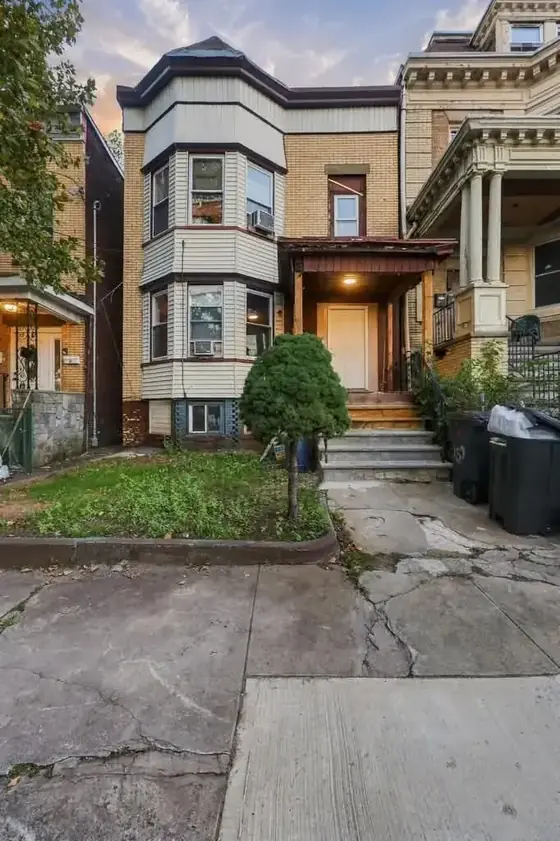
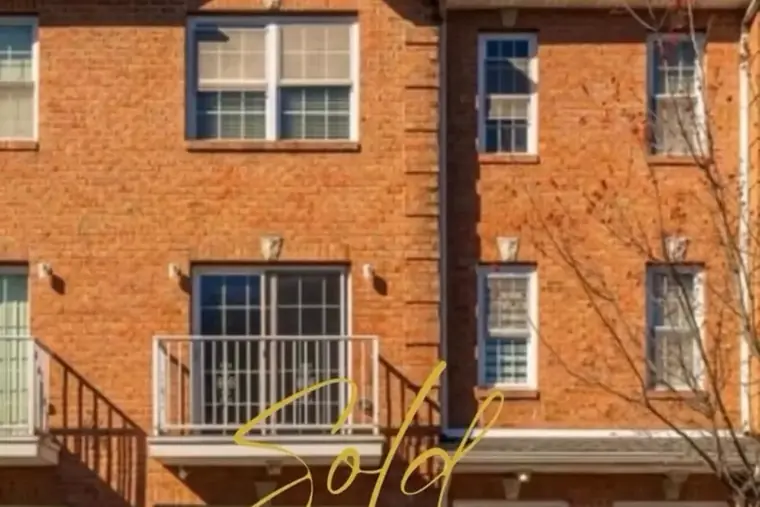
Active and pending homes. Ask about any of them in English or Spanish.

UPDATING
New homes for sale coming soon
We add new properties every week. Leave your WhatsApp or email and be the first to hear about new homes for sale.
Off grid home types and prices in New Jersey
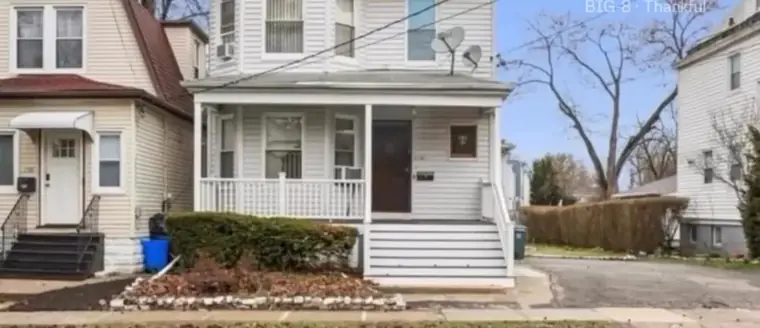
Some off grid homes may be cabins, tiny homes, converted farm buildings, timber homes, or homes with utilities. Very few off grid homes can legally be considered completely without utilities, so you need to find out what "off grid" means in each listing.
Here are the county level home values and rents, as well as the cost of buying a home in New Jersey. These are not appraisal. Start with our homes for sale nj search or buy house new jersey guide.
An off-grid property may have a private well, septic system, generator, solar panels, propane, or a combination of all of these. Some properties may have utilities available, but the property owner must opt out of paying the standard utility rate on an ongoing basis through the use of renewable energy systems. Some properties are remote cabins that do not have access to standard water and sewer systems.
Property type can also be important. A Tiny Home may be easier to afford and maintain than a remote cabin. A Bungalow may be a better fit for small towns. A Mansions style property with its own power and water systems may require a larger initial budget.
The county numbers above are for the overall market and do not represent an off-grid price. They are based on the average home value and average rent in the entire county by Zillow.
These values are for the entire county, and are not an appraisal. An off-grid home may be more or less than the county value, depending on land, access, condition, utilities, and allowed septic and well work.

Property taxes and monthly costs for off grid living
A useful starting estimate for property tax in New Jersey is 2.2% annually, but the actual rate changes by municipality. Your tax bill can also differ because of assessment rules and local exemptions.
Here is a simple example. If a house has an assessment of $500,000 and the local tax rate is 2.2%, the annual tax would be:
$500,000 × 0.022 = $11,000
That is $917 a month before local income tax. This is an estimated tax liability, not a tax assessment or loan. To confirm the tax rate, check with the tax office in the town where your property is located or with the tax board of your county.
The real monthly cost may include:
- Property and municipal income tax
- Homeowners insurance
- Electric, Propane, Fuel Oil, Wood
- Well Testing & Repair
- Septic Pumping, Inspection, Repair
- Generator Fuel & Maintenance
- Solar System Maintenance
- Road Maintenance, Snow Removal, Private Road Charges
- Land, Water, Septic Permits
For a remote area, a generator may be an unexpected expense. You should ask to see copies of service records, age of the equipment, fuel capacity, and estimate cost of replacement. A licensed inspector can perform separate tests on the well and septic systems as well as other elements in the home.
Transportation and proximity to New Jersey hubs
Remote living does not mean you are cut off from the world. You should plan how you will work, get your food, health care, deliveries, and schooling. Some remote homes are close to shopping and services, while others require a long drive on county roads and private roads.
NJ Transit offer rail and bus services to many communities in New Jersey. Find the rail station and route that suits your need. Then compare it to road access at your home. Not everything near a rail line is easy to access. Unpaved roads, bad winter access, or little parking are just a few example of the challenges of commuting on the road.
Location also affects how much your home is worth. If someone wants a property in a remote location, they might be willing to travel a long way to get to it. Other people may need a property close to where they work. Check the road and driveway for any damage. Make sure that you can access the house in care of an emergency. Check that utility trucks can reach the property.
Steps to buy an off grid home in New Jersey
If you receive a Consumer Information Statement on New Jersey Real Estate Relationships in your first substantive discussion about a property, make sure to read the statement carefully. This statement will explains the different professional relationships that will be involved in the transaction.
Required municipal certificates for off grid builds
Many New Jersey municipalities and towns require a Certificate of Occupancy, abbreviated to CO or CCO, to be obtained before selling or renting a house. Many municipalities and towns require smoke detector, carbon monoxide detector, and fire extinguisher certificates.
Requirements and fees will vary per town. You will likely need documents to show that an addition, conversion, or installation of a septic system was approved if you are building a new home or adding onto an existing off-grid home. Make sure you know the requirements and fees with your local building office before the closing date.
For a new house, one need to know how the municipality plans to inspect the foundation, electric service, alternative energy equipment, well, septic, and living space. A house cannot be advertised as legally inhabitable because it has independent utilities.
New home warranty and construction standards
New homes build in New Jersey are subject to the New Home Warranty and Builders' Registration Act (N.J.S.A. 46:3B). Builders must comply with state registration requirements and the warranty covers specified problems in specified periods of time.
Coverage length will vary depending on the type of defect and terms of the program. Before buying a new off grid home, the warranty contract, the builder registration, construction requirements, and a list of covered systems should be reviewed. Also, the people who will service the private well, septic system, generator, or renewable energy systems should be determined after the warranty expires.
For resale properties, the warranty does not cover a home inspection or attorney title review. Check with a New Jersey attorney, tax professional, or licensed loan officer.
Get a free first consultation with a licensed professional over WhatsApp or by phone in English or Spanish to help you find your new off grid home in New Jersey.

01Set priorities and get pre-approved
Decide how far away you plan to go off the grid, what utilities you need to have on grid, and what you're willing to pay for land, repairs, and systems. A licensed loan officer can review conventional, FHA, USDA, and other qualified financing options. If you're self-employed, ask what you will need to prove your income (bank statements, tax forms, etc.).
02Choose a buyers agent and agree to representation
03Review the property before you make an offer
04Make the offer and complete attorney review
05Complete inspections, appraisal, and mortgage commitment
06Obtain municipal certificates and final walkthrough
Questions about off grid homes for sale answered
What does 'off grid' actually mean for a house in New Jersey?
An off grid home is a property that operates independently of public utilities, often using private wells, septic systems, solar panels, or generators. Because very few homes in the state can legally claim to have no connection to public services, you should ask the seller exactly which systems are independent and which, if any, remain connected to the grid.
Can I get a mortgage for an off grid property?
Yes, you can explore financing options such as conventional, FHA, or USDA loans, but you should speak with a licensed loan officer to see if the specific property meets their requirements. Self-employed buyers may also need to ask if the lender accepts bank statements or 1099 forms for income documentation.
How do I know if the well or septic system is okay before I buy?
You should request proof of permitted septic work, well tests, and equipment records during your initial review of the property. A licensed home inspector can also perform separate, specialized inspections for the well and septic system to ensure they are functioning correctly.
What are the extra costs I should expect with an off grid home?
Beyond standard property taxes and insurance, you should budget for private system maintenance like well testing, septic pumping, generator fuel, and solar system upkeep. You should also inquire about costs for road maintenance, snow removal, or private road charges if the property is remote.
Browse related off grid homes for sale
Discuss your plans for off grid homes for sale
Get a same-day call or WhatsApp response about off grid homes for sale. Sit down for a free initial consultation and continue only if you choose.