
FOR SALE
Semi Detached House · New Jersey
Semi Detached Houses in New Jersey
Facts about semi detached house in the Garden State
A semi detached house in New Jersey is a house that shares a wall with a neighbor but has its own entrances and living space.
Free first consultationEnglish & SpanishNo obligation

 Your local agentHi there! I'm checking information about semi detached house. What should I cover?
Licensedpros
Homes for sale in New Jersey
Active and pending homes. Ask about any of them in English or Spanish.
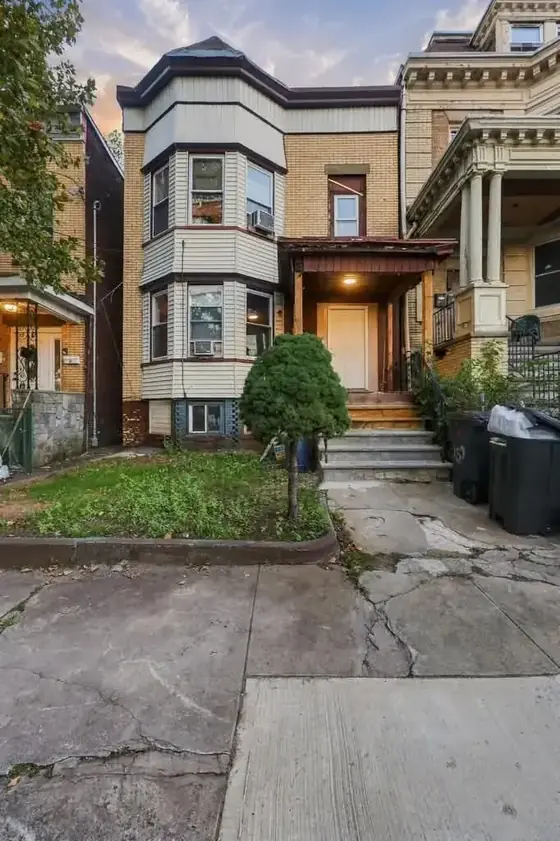

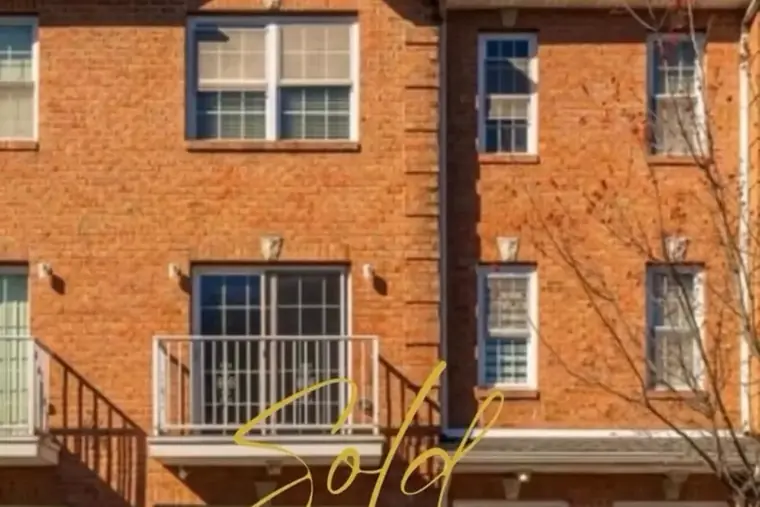
UPDATING
New homes for sale coming soon
We add new properties every week. Leave your WhatsApp or email and be the first to hear about new homes for sale.
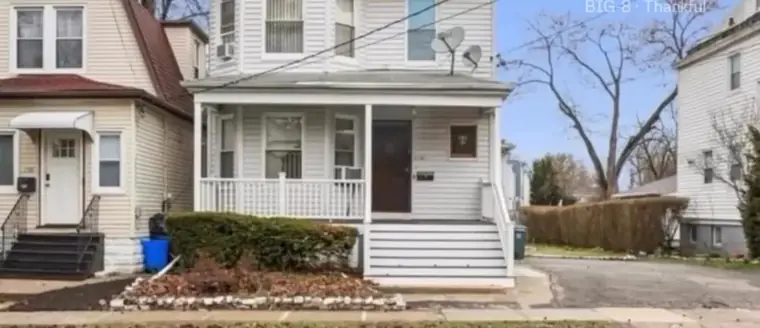
Semi detached house prices and types in New Jersey
The price, rent, tax, and transportation costs for a semi detached house may vary drastically between counties so the best place to begins would be comparing the market value of the house to the actual costs of maintaining the house for a month.
Browse current listings on the Homes for Sale NJ page. If you have any questions about what's available, njhomego will connect you with a licensed real estate professional.
In New Jersey, a semi-detached house may be a traditional duplex (which is a duplex), a side-by-side townhouse, or a larger house divided into two or more units. Older houses may have full basements, and new one may have attached garages and updated kitchens and compact footprints. A property with a shared wall does not imply that the property owners most also share expenses and interior space, but the property line, easements and any work done in common exterior areas most be verified by the buyer.
County-level figures are a rough and ready indicator of what's going on. ZHVI is the 'typical' house price and ZORI is the 'typical' observed rent. They are 'area-wide figures, not an appraisal' (as the title of the page says).
These numbers represent the while county and not just semi-detached homes. The rents shown include apartment and should only be used as a reference, as the actual rent of the property you are interested in may be different.


Property taxes and monthly costs for owners
New Jersey’s general property tax rate in 2025 is estimate to be 2.2%. This is a planning estimate of the general property tax rate for New Jersey, but taxes may vary by municipality and depends on property assessment, local services, and tax programs.
Here is an example: If the assessed value of a house is $400,000,
$400,000 × 2.2% = $8,800 per year
That works out to $733 per month before rounding. That's just an estimate and not the actual tax amount you'll have to pay. To find out how much you'll actually pay in taxes, you'll need to find the assessment value and the current tax rate from your town tax office or county tax board.
Your total monthly cost can also include:
- Principal and interest
- Homeowners insurance
- Property taxes
- Utilities
- HOA/Condo fees (if applicable)
- Maintenance and repairs
For an educational payment estimate, a rate of 6.5%, a 30-year term, a 2.2% property-tax assumption, and $1,600 annual insurance can be used. This is an educational estimate, not a loan offer. A licensed lender can provide the actual payment.
Commuting and location details across the state
NJ Transit operates trains and buses that serve most of New Jersey including Hudson, Bergen, Essex, Passaic, Union, Middlesex, Monmouth, Morris, Somerset, and Ocean counties. Your "useful" station will be the one that will be your starting station. Make sure to check NJ Transit schedules before signing a lease or offer.
Straight-line distance to Midtown Manhattan is the first thing that come to mind, but not the travel time. Train schedules, transfers, station accessibility, traffic, and where you're going in Manhattan all make a big difference.
For buyers, the experience involves the commute from home to the station, the want at the station, the commute to the station, and any walking or transferring at the end of the commute. For renters, the experience is the same one the lease start. Real estate agent can give buyers information about a property, but transit agencies should provide current service information.

Steps to buy a semi detached home in New Jersey
If you are a seller, you most include the Consumer Information Statement on New Jersey Real Estate Relationships in your first conversation with the licensee. You most also include the real estate transfer fee, the attorney fee, the certificate, and the negotiated commission in the net proceeds.
Required municipal certificates and inspections
Requirements differ from city to city. Most cities require a CO or CCO inspection alone with proof of required smoke detectors, carbon monoxide detectors, and fire extinguishers. Some cities may require zoning, occupancy, or other inspections.
Confirm the exact documents and fees with the building or construction office of the municipality in which you will be closing. Home inspector are not a part of the municipal certificates, so a licensed inspector may recommend additional testing.

01Get pre-approved for a mortgage
Call a licensed mortgage lender and find out the payment, down payment, closing costs, and rate. First-time buyers should ask about programs from the New Jersey Housing and Mortgage Finance Agency and participating lenders.
02Choose an agent and sign a written buyer representation agreement
03Search and compare properties
04Make an offer and review the contract
05Complete inspection and appraisal
06Obtain municipal certificates
07Do a final walkthrough and close the deal
How to rent a semi detached house in New Jersey
Start with a clear budget. A common affordability guideline is to spend no more than 30% of gross monthly income on rent. HUD uses a similar threshold to identify renters paying more than they can comfortably afford.
New Jersey’s Landlord and Tenant Act cover lawful sources of income, such as Section 8 vouchers. New Jersey's Fair Chance in Housing Act prevents landlords from asking about criminal history before making a conditional offer. You should never pay a deposit or application fee until you see the property and the terms.
Get a free initial consultation over WhatsApp or phone, in English or Spanish, and ask njhomego to connect you with the right licensed professional.

01Review the listing and ask questions about the property
Find out the number of bedrooms, whether utilities are include, if these is parking space, maintenance and laundry facilities, yard maintenance and if the property is a shared or divided home.
02Apply for a licensed with proof of income and identification
03Review the lease
04Pay only what the law allows
05Get the required property and occupancy documents
Key facts about semi detached house
Is a single-family home considered attached or detached?
A single-family home is typically considered detached if it stands alone on its own lot and does not share any walls with another structure. If it is part of a row or shares a side wall, it is considered attached, such as a townhouse or semi-detached home. You can verify the specific property type and lot boundaries by reviewing the property deed or speaking with a licensed real estate professional.
What devalues a house the most?
Factors such as poor maintenance, structural issues, and the condition of major systems like the roof or HVAC can significantly impact a home's value. For a more accurate assessment of a specific property, you should consult a professional appraiser or look at recent comparable sales in the immediate area. You can also check the town tax office for historical assessment data.
Is semi-detached better than terraced?
Whether one is better depends on your preference for privacy, as a semi-detached home shares only one wall while a terraced (row) house shares walls on both sides. Each style offers different layouts and potential for shared exterior maintenance costs. You should review the specific property line, easements, and any shared exterior work requirements for the home you are considering.
What is a semi-detached house?
A semi-detached house is a residential building that shares one common wall with a neighboring home while maintaining separate entrances and living spaces. This allows for a sense of community while providing private interior areas. You can find current listings for these types of homes on the Homes for Sale NJ page.
Dive into semi detached house
Ask about services related to semi detached house
A free first consultation is available for questions about semi detached house. Call or WhatsApp us, and we'll reply the same day with no obligation.