
FOR SALE
Urban House · New Jersey
Urban Houses in New Jersey
The local facts behind urban house
An urban home in New Jersey might be a single-family detached house in the middle of a crowded city, a row house, a duplex, a townhouse or a multifamily home with its own entrance.
Free first consultationEnglish & SpanishNo obligation

 Your local agentHey! I can help you understand urban house. What's your next question?
7 daysa week
Homes for sale in New Jersey
Active and pending homes. Ask about any of them in English or Spanish.
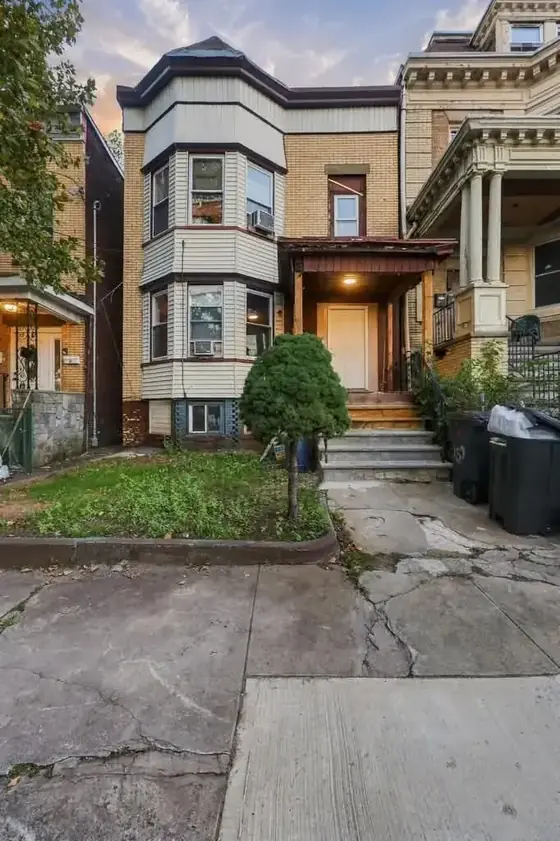

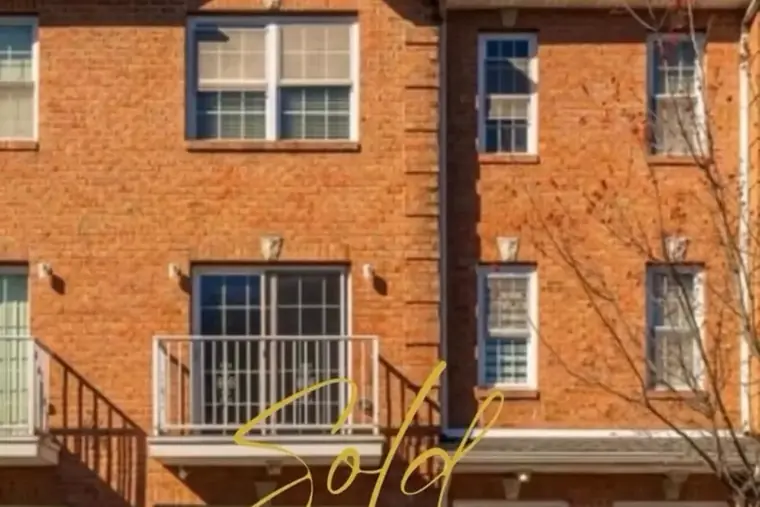
UPDATING
New homes for sale coming soon
We add new properties every week. Leave your WhatsApp or email and be the first to hear about new homes for sale.
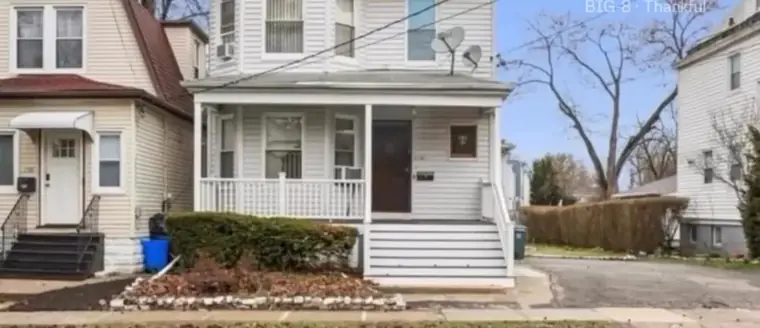
Urban house types and market prices
An average single-family home is worth $588,036 in Middlesex County and $793,713 in Monmouth County. To see actual urban homes for sale, visit our Homes for Sale NJ listings.
Price depends on the county and types of property. A row house, attached house, or small multi-family house might be less expensive than a detached house in the same town. Condominiums are an exception because the price includes a portion of the building and common areas.
Here are the latest averages and actual rents for the largest counties in New Jersey.
*These figures are for the entire area. They are not an appraisal.
County averages don't tell you anything about the specific cost of your home. To figure out how much a house in the city is worth, look at the prices of the houses that have sold in the past. Determine if the home is in good condition, or if a remodel is needed. Find out if the property is a lot size or lot. Determine if the house has parking. Check if there are any monthly fees for the condo or homeowners association.
Expert answers about urban house
Bring your questions about urban house to an independent professional in English or Spanish for a free initial meeting.
Ask on WhatsApp
What you pay each month in New Jersey
A useful figure for planning is 2.2% of the assessed value per annum; however, it will vary according to the municipality.
For a simple example, suppose we have a house valued at $500,000:
$500,000 × 2.2% = $11,000 per year $11,000 ÷ 12 = $916.67 per month
That is only the estimated tax. Throw in the mortgage payment, homeowners insurance, utilities, maintenance, and any HOA fees. At a 6.5% interest rate for a 30-year loan, a $500,000 mortgage with no down payment has a monthly principal and interest payment of about $3,160 (taxes and insurance are not included). This is an educational estimate, not a loan offer.
The real property tax bill also depends on the assessed value of your home and the rate set by your local government. You can contact the tax office in your municipality for a more precise calculation. If you need help with the assessed value or exemption of your property in New Jersey, a real estate tax professional can help.
Commuting and transit in urban areas
NJ Transit rail and bus lines may be just as important as your house. Learn about current NJ Transit station addresses, routes, parking policies, and walking access before choosing where to live. All North Jersey counties, including Hudson, Bergen, Essex, and Passaic, have rail service. Not all towns within these counties have a NJ Transit station.
ZIP codes can also be useful when comparing properties because taxes, zoning, services, and school can vary from town to town. You can confirm the exact address with your municipality and New Jersey Department of Transportation for commute information.
Midtown Manhattan is a good place to estimate distance. See maps, NJ Transit station information, and weekday and weekend schedules for mileage and commute-time details. Walking, transferring, and access to stations can greatly change morning rush hour commute time.

Steps to buy an urban house in NJ
New home warranty and registration
New urban developments may be covered under the New Home Warranty and Builders Registration Act. New builders are required to register with the NJ Department of Community Affairs. New homes are protected under different types of warranties.
Ask the builder for the warranty documents and expiration dates as well as how to make a claim. The warranty is different from a homeowners insurance policy. Buyers should read and understand the contract and warranty terms before closing.

01Get pre-approved
Speak to a licensed loan officer to review the amount, rate, payment, and documents you need. The New Jersey Housing and Mortgage Finance Agency has loan programs for eligible first-time buyers and other qualified buyers, with participating lenders.
02Choose representation and start your search
03Make an offer
04Inspect and verify the property
05Complete mortgage, municipal, and closing requirements
06Do the final walkthrough and close
Renting an urban home in New Jersey
Start with the monthly rent, deposit, and application requirements. A common affordability guideline is to spend no more than 30% of gross household income on housing. HUD calls paying more than that “cost-burdened.” This is a guideline, not a guarantee that an application will be approved.
In New Jersey, the security deposit can be up to 1.5 months' rent and must be returned within 30 days after the tenant vacates; a landlord who wrongfully keeps it may owe double damages. The first month's rent can be charged by the landlord and is subject to legal screening requirements.
The New Jersey Law Against Discrimination applies to legal forms of income, including Section 8 housing vouchers. The Fair Chance in Housing Act generally prohibits a landlord from asking about criminal history on the application or running a criminal background check before making a conditional offer, with limited review allowed afterward. Ask for the lease, fee schedule, building rules, and move-in requirements before paying money.
For help comparing homes in your area, understanding the cost of homes in your area, and deciding whether to buy or rent, request a free consultation on WhatsApp or over the phone in English or Spanish.

Your FAQ checklist: urban house
How do I know if I can afford an urban house in a specific county?
You can compare the typical home value (ZHVI) for your target county against your budget. For example, the typical home value in Bergen County is $786,765, while it is $551,072 in Ocean County. For a precise calculation based on your specific income and down payment, consult with a licensed loan officer.
What happens if I want to buy an urban house being sold through foreclosure?
Foreclosures can come as REO (bank-owned) properties or sheriff sales. For sheriff sales, you must investigate the title, liens, occupancy, and property condition before bidding because interior inspections are often not provided. You should speak with a New Jersey attorney to navigate these specific legal risks.
Can I buy a multi-family house and live in one of the units?
Yes, you can finance a 2–4 unit property by living in one unit, a strategy often called house hacking. The rental income from the other units can help offset your mortgage payments. You should use a mortgage calculator to determine the specific NOI and cap rate for your investment goals.
What are the rules for security deposits when renting an urban apartment?
In New Jersey, a landlord's security deposit cannot exceed 1.5 months' rent. Additionally, the New Jersey Law Against Discrimination protects your legal sources of income, including Section 8 vouchers. Always request a written lease and a clear fee schedule before moving in.
Do I need a lawyer to help me buy a house in New Jersey?
Many buyers, especially in North Jersey, use an attorney throughout the entire process until closing. Generally, there is a 3-day business-day attorney review period after both parties sign a contract prepared by an agent. Consult with a New Jersey attorney to ensure your specific interests are protected.
Looking into urban house
Find guidance for urban house
Ask about urban house by call or WhatsApp, and expect a reply the same day. The first consultation is free, with no requirement to continue.