
FOR SALE
Town House Apartments · New Jersey
Townhouse Apartments in New Jersey
The essentials of town house apartments for NJ readers
Town house apartments for sale and rent in New Jersey are either attached townhouse units in planned developments or older row house and two to four unit buildings.
Free first consultationEnglish & SpanishNo obligation

 Your local agentHi! Need to sort out town house apartments? I'm here to point you in the right direction.
Same-dayanswers
Homes for sale in New Jersey
Active and pending homes. Ask about any of them in English or Spanish.
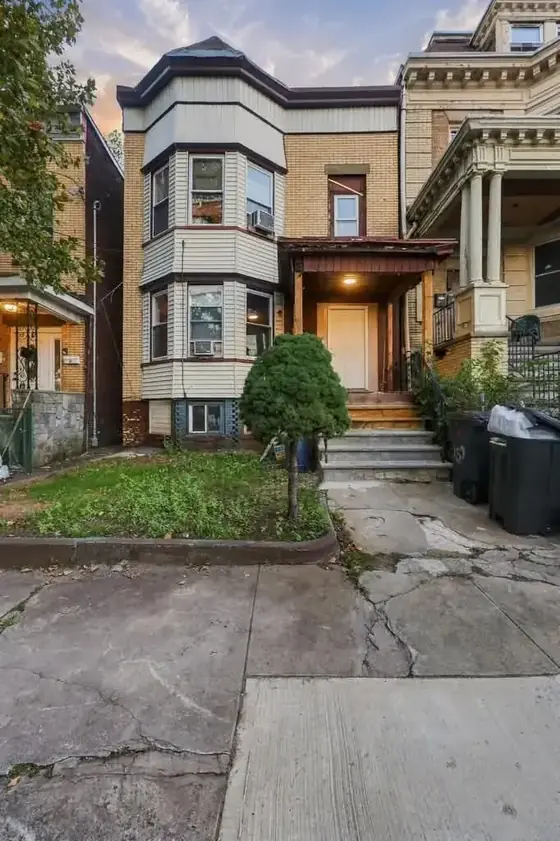

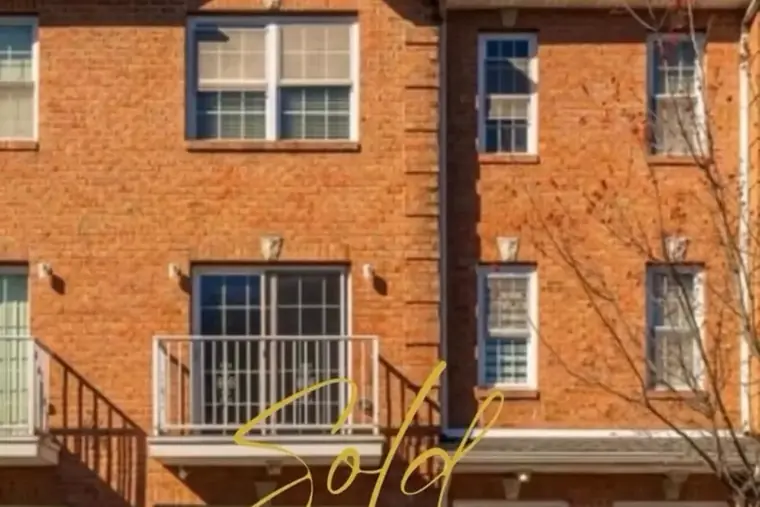
UPDATING
New homes for sale coming soon
We add new properties every week. Leave your WhatsApp or email and be the first to hear about new homes for sale.
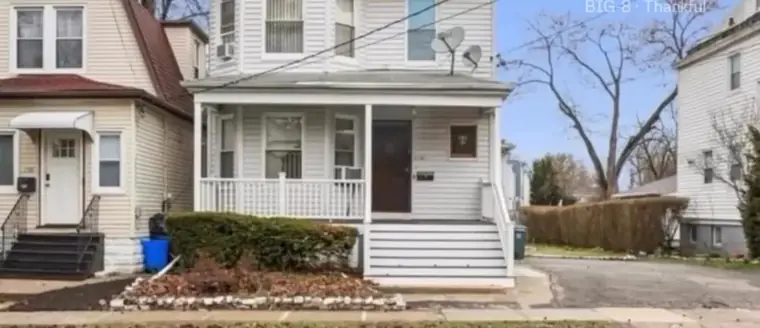
Market prices for New Jersey townhouses
Typical home prices in New Jersey counties range from $551,072 in Ocean County to $793,713 in Monmouth County, while typical rental rate range from $2,230 in Passaic County to $3,056 in Hudson County.
Browse our listing for Townhouses in New Jersey or use Townhomes for Sale Near Me to find homes in your area. To find Townhouses for Rent in NJ, please see below.
Townhouse apartments aren't all the same. You might have an end unit with a lot more space and privacy. These are interior units that are connected to other house. Some townhouses might be governed by an association line a condo. Other townhouses may be much smaller with only two or four units. Some townhouses are rented out individually, while others may be a person's primary home. Considers how much the rent will cost, the rules and regulations from the association, the cost of maintenance, parking, and how much space you will need.
Here are the typical home values and rents by county:
These figures represent the entire county, not an evaluation or guarantee of any particular townhouse. ZHVI represents the median value of a home in your market, not an average listing price. For the value of your particular home, speak to a licensed real estate professional and get recent comparable sales.
If you’re interested in homes for sale in counties and want more options, click here: Townhomes for Sale North Jersey.

Monthly costs and property taxes
The general New Jersey property tax rate is 2.2%, but it’s only a planning estimate. Your actual rate can be higher because of local taxes, and the rate varies by municipality.
Here’s how the calculation works:
For example, a $400,000 property that is assessed at the general rate of 2.2% would results in a tax bill of $8,800 per year. This means a person would owe about $733 per month. Depending on the property's value, a person could potentially owe more.
Don’t stop at the mortgage payment. Make sure that you also considers the amount that you will have to pay in property tax, homeowners insurance, association fees, utilities, and fees for access to common area or parking. For condos, make sure to request the association's current budget, minutes of last meeting, reserve study, and rules before making an offer.
Check the town tax office or your lender for the assessed value, current rate, and property tax programs. Tank to a New Jersey tax professional about the tax consequences specific to your case.

01Find the property's assessment
02Multiply the assessment by the local tax rate
03Divide the number you found by 100 to get the total annual bill
04Divide the number you found by 12 to get an estimate for your monthly…
Where New Jersey is and how to commute
Location can be a huge factor when it codes to the cost of a townhouse, and how it affects daily line. It is important to double check the address, zip code, and NJ transit station (not just the county it is located in) before making a judgement about the townhouse.
North Jersey properties may be closer to the stations that serve line to Midtown Manhattan. Look for Jersey City and the other surrounding cities in Hudson County, which is served by the Hudson Bergen Light Rail and PATH. Bergen County is also served by NJ Transit rail in communities such as Rutherford and Hackensack. Essex County has rail stations for Newark. Union County also has rail stations in communities line Elizabeth and Plainfield and others with NJ Transit service.
Straight-line distance to Midtown Manhattan is useful, but it's not a measure of time. You also need to factor in the station, transfer points, service hours, parking, and final destination. Do not assume that a commute time can be derived from the straight-line distance alone.
Enter the ZIP code in the transit planner and see how long a trip would take during the hours that you'll be using the commute. Ask if there's service in the evening, if these are trains on weekend, if these are parking options at the stations, and what the impact would be if the schedule change.
Steps to buy a townhouse in New Jersey
For broader guidance see Buy House New Jersey.
Understanding the attorney review process
The three-business-day review period is not an automatic review period. It is just a review period in which the New Jersey attorney review the contract and explain the terms of the purchase to the buyer before the buyer is committed.
Many North Jersey home buyers utilize an attorney at closing. The home buyers attorney will help with contract language, inspections, repair requests, disclosure issues, and closing documents. Have your attorney review the contract and confirm the full amount and ask whether the lender requires that your attorney be present during closing.
If you are working with a real estate agent, njhomego can help you find a licensed agent. njhomego is not a real estate brokerage firm, licensed agent, lender, or law firm. The licensee will provide you with a copy of the Consumer Information Statement on New Jersey Real Estate Relationships at the first substantive discussion of a particular property.
Required municipal certificates
Many New Jersey cities require a certificate of occupancy or a certificate of continued occupancy (CO or CCO) be issues prior to the sale or lease of a property. Townhouses may require a smoke detector certificate and fire safety documentation.
Requirements and fees will differ by municipality. It is best to contact the building office of your municipality before you close or sign a lease to make sure that the property at the address you are buying meet the requirements of the municipality. Do not assume that because a property has utilities or occupants that it has a current certificate.

01Get pre-approved
Speak to a licensed loan officer about how to get pre-approved. Considers how much you can put down for your down payment and the costs at closing. How much is your rate, term, and monthly payment? Some NJHMFA programs may be available to first time home buyers, or first time buyers with qualifying income, with certain participating lenders.
02Sign a buyer representation agreement and search
03Make an offer
04Use the attorney review period
05Complete inspections and appraisal
06Secure the loan and certificates
07Do the final walkthrough and close
How to rent a townhouse apartment
Start by setting a monthly budget and separating rent from other housing costs. A common guide is to spend no more than 30% of gross income on rent. HUD considers a household cost-burdened when it pays more than that.
For renting, your steps are:
- Review Townhouses for Rent NJ and apply. 2. Submit income and identification documents. Some landlords will require income and identification documents. Landlords will also require proof of employment, part rental history and employment history. 3. Review the lease agreement. Review the rent amount, due dates, utilities, parking, pets, repairs, renewal requirements and move-out requirements. 4. Pay only the required security deposit and sign the lease. In New Jersey, security deposit can only be up to 1.5 of the rent amount. 5. Receive keys and records. Verify that the property is in the condition agreed to in the lease agreement. Make sure that you have a copy of the lease agreement and any required municipal certificates.
The New Jersey Law Against Discrimination (NJ LAD) protects lawful sources of income like Section 8 housing vouchers. The Fair Chance in Housing Act prohibits landlords from asking about criminal history before making a conditional offer. Ask for the written application and notice and do not consider the protections optional.
Get a free initial consultation in English or Spanish via WhatsApp or phone. Connect with the right licensed professional to find your townhouse.

Answers about town house apartments in plain English
Is a duplex the same as a townhouse?
No, a duplex is a single building divided into two separate living units, while a townhouse is a multi-level home that shares one or more walls with neighboring units. You can find townhouses that are part of a larger multi-family building, but the structure and ownership rules differ significantly. Check with a licensed real estate professional to understand the specific deed and unit configuration of a property.
What is the downside of buying a townhouse?
Potential downsides include shared walls, limited outdoor space compared to single-family homes, and mandatory association rules or fees for condominium-style units. For these types of properties, you should request the association’s current budget, meeting minutes, and reserve information before making an offer. You can find more details on these requirements in the Planned Real Estate Development section of the state website.
What are the different types of town house apartments?
Types include end units with more privacy, interior units attached to multiple homes, condominium-style townhouses governed by an association, and smaller two- to four-unit properties. Each type has different maintenance responsibilities and privacy levels. You can browse various styles by looking at Townhouses in New Jersey.
Is it cheaper to live in town house apartments?
Townhouses can be more affordable than single-family homes in the same area because they often have lower property taxes and maintenance costs. However, your total monthly cost will depend on the specific municipality's tax rate, association dues, and utility costs. To get an accurate estimate, contact the town tax office to find the specific tax rate for a property's address.
Helpful details for town house apartments
Contact a helpful professional about town house apartments
We'll speak with you the same day by call or WhatsApp about town house apartments. The first consultation is free, and there's no requirement to continue.